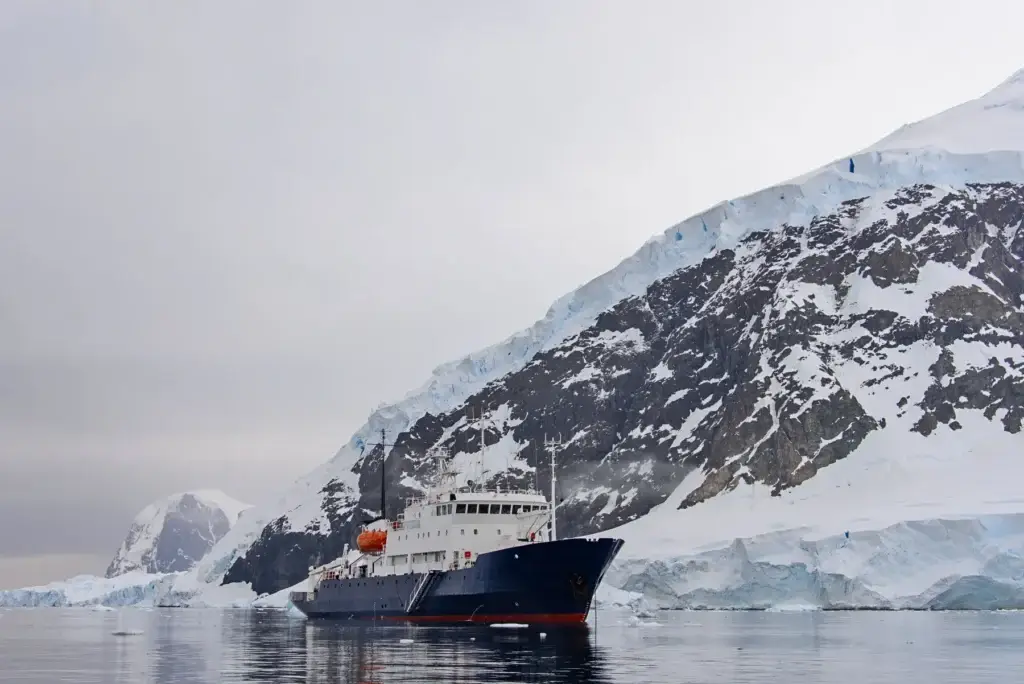
The VH Luxe destination guide

Antarctica

The right ship turns the edge of the world into a deeply personal expedition.

Recommended stay

10–

16 nights

Best time

Mid-November to early March for the Antarctic Peninsula, with different strengths across the austral summer.

Primary gateway

Ushuaia for most sailings; Punta Arenas for selected fly-cruise programs

Journey context

Ten to sixteen nights covers the expedition, South America positioning and a weather buffer. South Georgia or Falkland Islands routes need longer.

Curator’s verdict

Antarctica is not a conventional luxury cruise. Ship size, access model and tolerance for uncertainty shape the experience, while weather and site rules decide each day.

Choose well

How should your Antarctica expedition work?

Six decisions matter most: sail or fly, vessel scale, season, route depth, cabin position and medical readiness.

Travelers balancing expedition narrative, sea comfort and time

Sail the Drake or fly over it

Sailing preserves the full maritime approach. A fly-cruise reduces sea days but introduces weather-sensitive Antarctic aviation.

Worth knowing

Neither route removes uncertainty. Choose the risk and rhythm the traveler accepts.
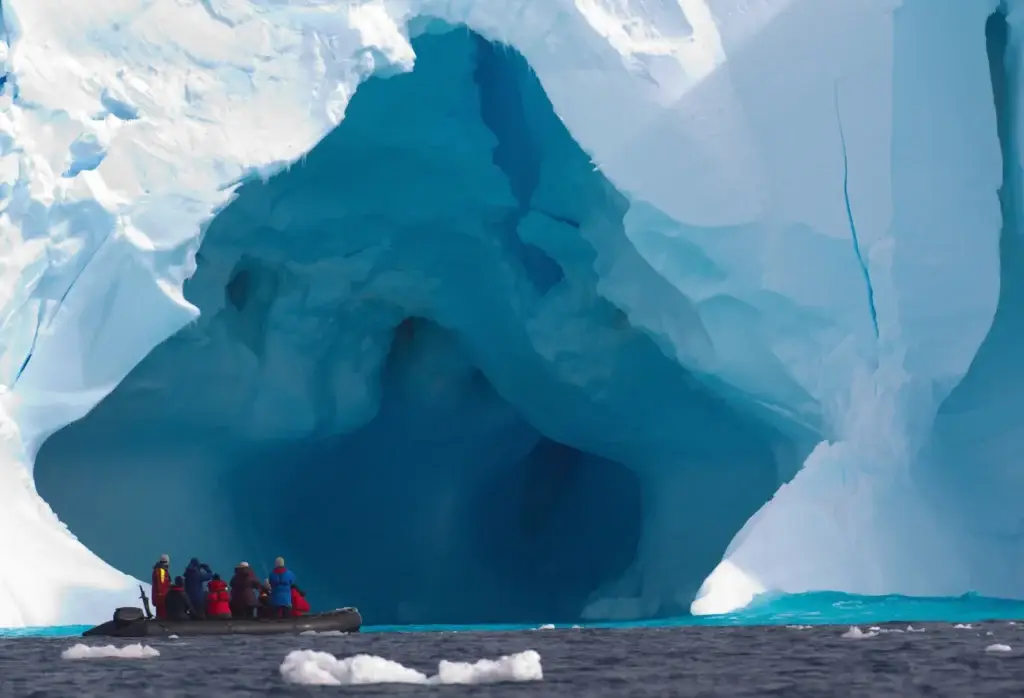
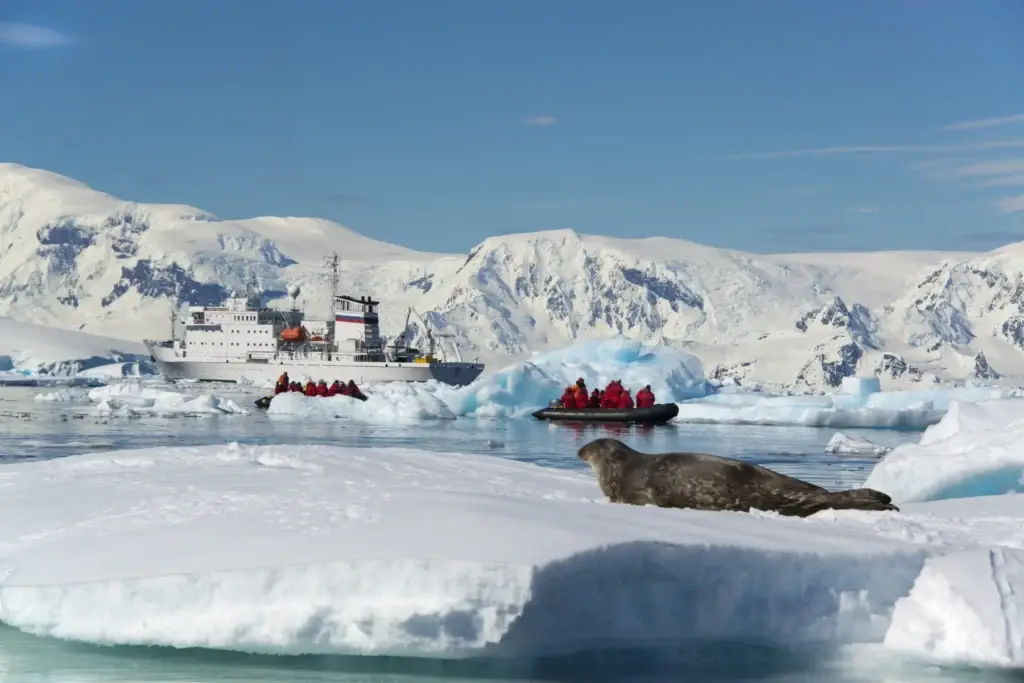
Expedition boat beside a sculpted iceberg in the Southern Ocean

Guests who value time ashore and expedition-team access

Choose a landing-capable vessel

IAATO limits a landing site to 100 visitors ashore at once, and larger vessels face additional controls. Expedition design matters more than décor alone.

Worth knowing

Do not treat a guest-count threshold as a landing guarantee. Weather and site rules still decide access.

Travelers prioritizing ice, light, breeding activity or whales

Select the right austral-summer window

Early season favors ice and breeding activity, midseason offers the longest light, and later departures can improve whale interest.

Worth knowing

Wildlife timing changes by year and no species or behavior can be promised.

First-time expeditioners versus travelers seeking geographic depth

Classic Peninsula or deeper route

A classic Peninsula voyage is the cleanest first expedition. Circle, South Georgia or Falklands extensions require more days and tolerance.

Worth knowing

A longer route adds depth but also sea time, weather exposure and schedule complexity.

Motion-sensitive and mobility-aware travelers

Cabin position before cabin size

Review deck, distance to mudroom, stairs, lift policy, outlook and ship motion before paying for square footage.

Worth knowing

The most dramatic view or highest deck may not be the most comfortable choice.

Every traveler in a remote expedition environment

Readiness before final payment

Review mobility, seasickness, cold tolerance, insurance, medical forms and evacuation exposure early.

Worth knowing

Shipboard medicine has limits and remote evacuation can be prolonged.

A considered introduction

Choose Antarctica by vessel and expedition method before choosing a cabin. A classic Peninsula voyage from Ushuaia includes the Drake Passage; a fly-cruise trades sea time for weather-sensitive aviation.

VH Luxe can compose the voyage, South America positioning and protected buffers as one journey. Landings, wildlife and route milestones remain conditional.

Advisor note

The most important luxury is fit: a capable expedition team, the right vessel scale, a cabin chosen for motion and access, and enough schedule margin to let Antarctica remain unscripted.

What stays with you

Signature experiences

Expedition boat beside a sculpted iceberg in the Southern Ocean

Expedition access

A first Zodiac approach through brash ice

Let a naturalist interpret ice, weather and wildlife from a small craft when operations permit. The outing remains shared, regulated and fully conditional.

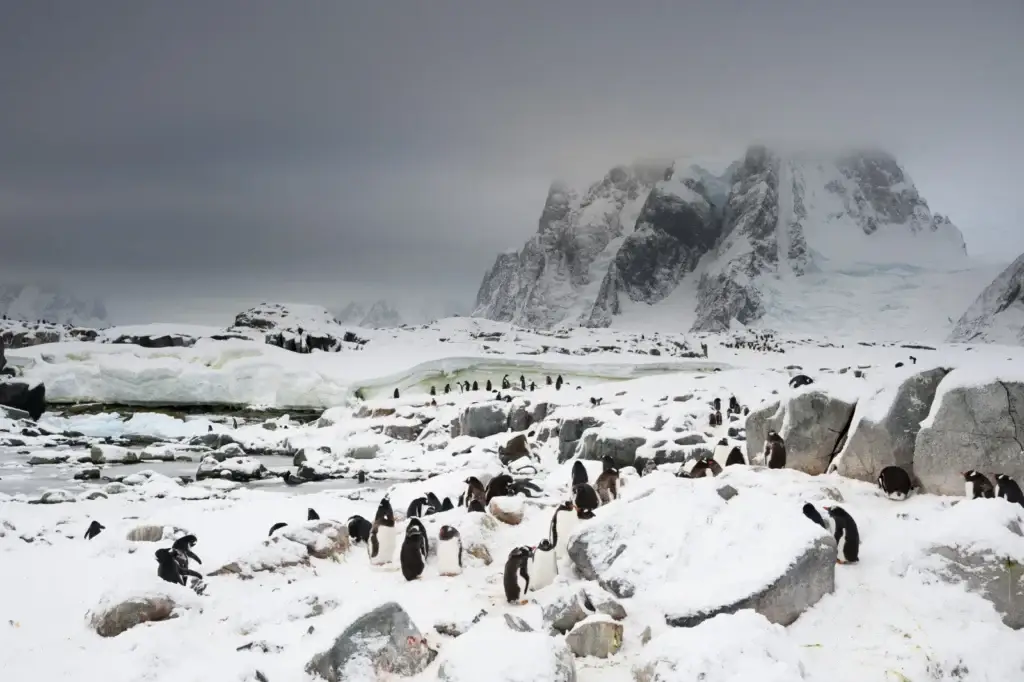
Gentoo penguins across the snowy landscape of Petermann Island

Field observation

One landing experienced slowly

Use a confirmed landing for quiet observation instead of collecting sites. Follow every site-specific distance, route and biosecurity instruction.

Active expedition

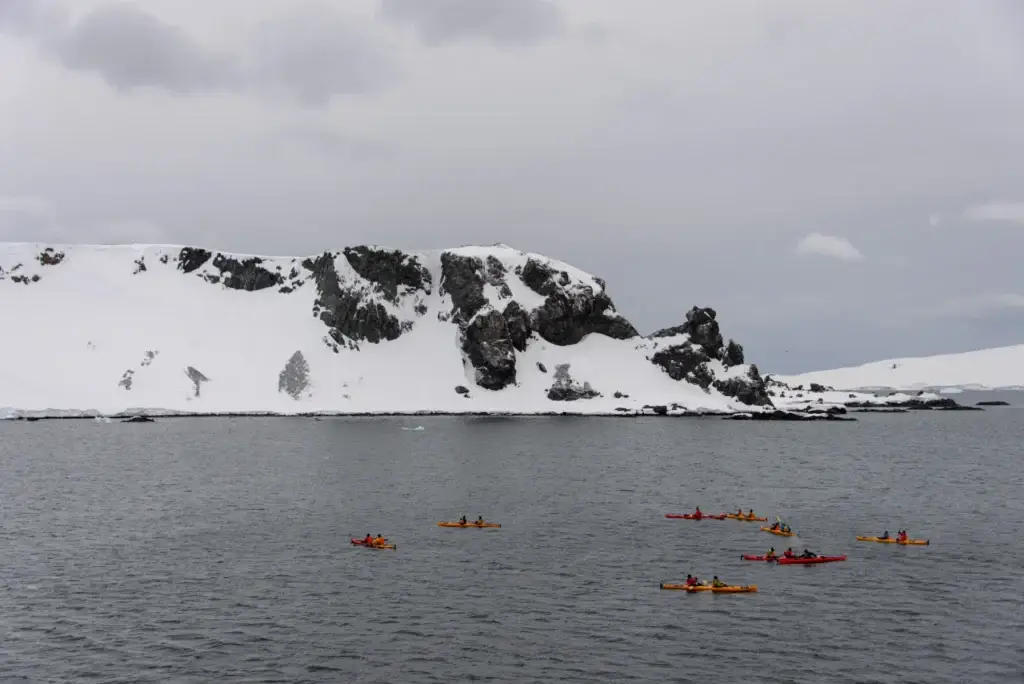
Kayaking or paddling with specialist guides

Add a guided water activity only when ability, equipment, ice and weather align. Enrollment never guarantees an outing.

Photography

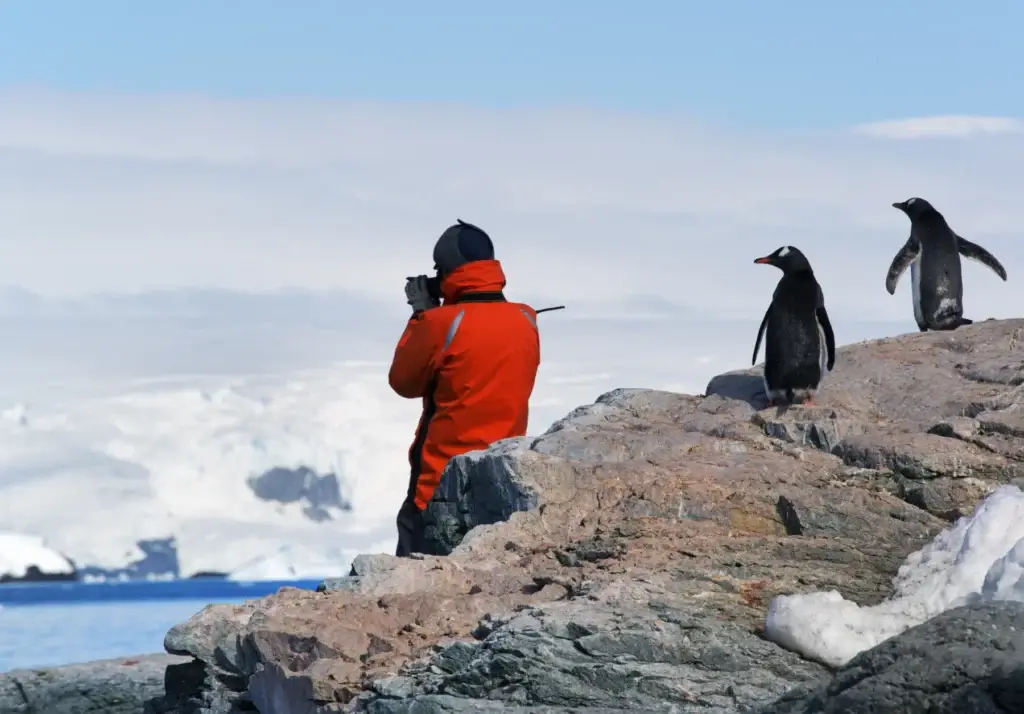
Private coaching for deck and Zodiac photography

Prepare exposure, composition and wildlife ethics before the moment arrives. Never stage wildlife or promise proximity.

Science

A scientist-led briefing with purpose

Choose a departure with credible experts or a vetted citizen-science project, then confirm the program operates on that sailing.

Route depth

A Circle attempt or South Georgia extension

Add geographic depth when the traveler values the extra days and sea time. Circle crossings and every landing stay unpromised.

Travel restored

What makes Antarctica a wellness destination?

Antarctica creates a reset through scale, quiet and disciplined attention, not treatments. A well-paced expedition replaces constant stimulation with observation while sleep and medical readiness remain protected.

Wellness role
A meaningful restorative layer
Best for
Reflective couples, solo travelers and milestone travelers who value perspective, stewardship and a device-light rhythm.
Format
Use four short pathways: polar observation, awe, circadian stewardship and purpose through science.
Ideal commitment
One protected daily interval within a 10- to 16-day expedition.
Intensity
Gentle

For companions

Companions can join landings and lectures while the wellness-focused traveler protects quiet deck time, sleep and lower-stimulation intervals.

Seasonal lens

Austral summer, with a blackout strategy and sleep plan adapted to long daylight.

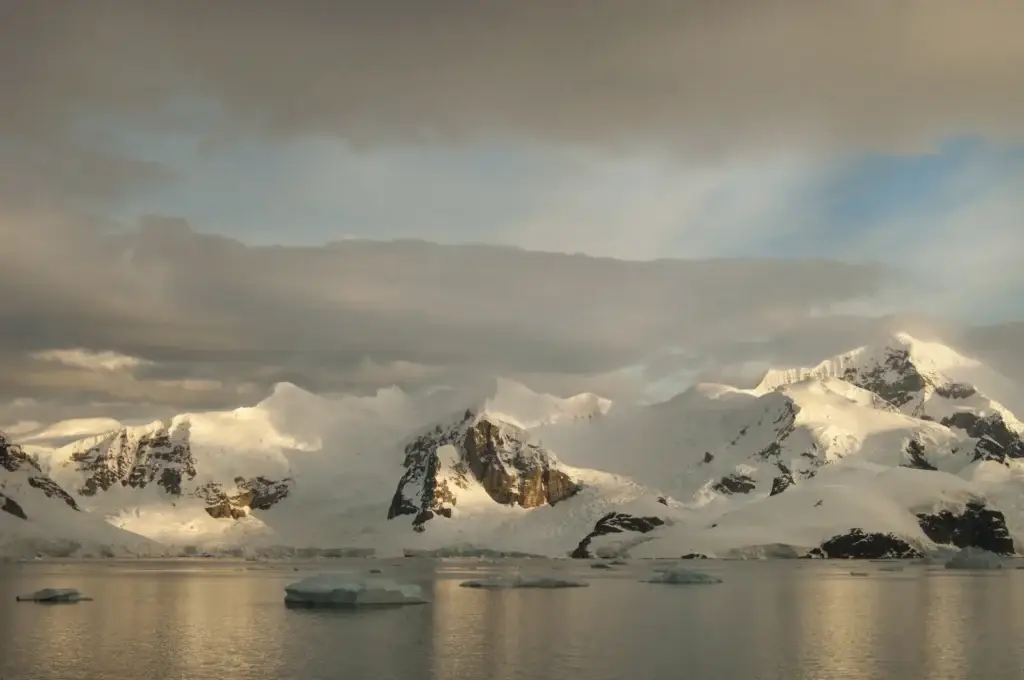
Calm Antarctic water reflecting snow-covered mountains at dusk

Trade constant input for sustained observation

Polar quiet and attention recovery

Reserve low-traffic deck time with a naturalist and one device-free watch focused on sea, ice and weather.

Duration
Twenty minutes daily
Intensity
Gentle
Best for
Travelers seeking mental space without a treatment program
Consider

Quiet depends on ship operations and conditions. No stress or clinical outcome is promised.

Translate scale into meaning

Awe and perspective

Use a private field-journal or photography prompt to notice vastness before interpreting it. Research supports careful well-being framing for awe, not treatment claims.

Duration
One guided prompt on three expedition days
Intensity
Gentle
Best for
Milestone travelers and reflective couples
Consider

The cited awe evidence is not Antarctica-specific and does not predict an individual result.

Protect sleep during long summer light

Circadian stewardship

Plan blackout, device timing and a consistent sleep window with the traveler’s physician or sleep specialist before departure.

Duration
Nightly throughout the voyage
Intensity
Gentle
Best for
Light-sensitive and long-haul travelers
Consider

Antarctic studies largely involve residents and expeditioners, not short-stay cruise guests.

Connect curiosity with responsibility

Purpose through science and stewardship

Arrange a vetted science briefing, citizen-science contribution or expedition-leader debrief grounded in Treaty and site rules.

Duration
One to three sessions
Intensity
Gentle
Best for
Curious travelers who want meaning beyond sightseeing
Consider

Confirm the exact project and sailing. Antarctica has no Indigenous wellness tradition to appropriate.

Wellness content is travel guidance, not medical advice. Antarctic light, motion, cold and remoteness require individual medical review; no sleep, mood or biomarker result is promised.

Timing the journey

When to go

Mid-November to early March for the Antarctic Peninsula, with different strengths across the austral summer.

Nov · Dec

Good

Early expedition season

Weather
Cold, changeable and often ice-forward, with rapidly shifting local conditions.
Crowds
Voyage traffic varies by site and scheduler.
Best for
Sculptural ice, snow and breeding activity, without behavior guarantees.

Dec · Jan

Best

Long-light core season

Weather
Long daylight with maritime weather that can still change quickly.
Crowds
Popular sailing period; site access remains coordinated and regulated.
Best for
Maximum light and broad classic-expedition appeal.

Feb · Mar

Good

Late expedition season

Weather
Cooling conditions and evolving sea-ice patterns.
Crowds
Departure and site pressure vary.
Best for
Whale interest and softer light, with sightings unpromised.

Antarctic weather, ice, wildlife, landings and route progress are never guaranteed. Confirm the current operator plan, IAATO guidance and transit logistics before departure.

Value, clearly framed

Understanding trip value

Quoted individually after vessel, cabin, route and included expedition activities are confirmed.

What shapes the guidance

Pricing varies by departure, cabin, charter content, single occupancy, South America positioning and insurance. Every proposal is quoted against the selected sailing and current terms.

Journey logistics

Arrive well

Most classic voyages position through Buenos Aires to Ushuaia. Selected fly-cruises position through Santiago to Punta Arenas, then use weather-dependent charter aviation to King George Island.

Primary gateway Ushuaia for most sailings; Punta Arenas for selected fly-cruise programs

Boat, ferry or yacht

Ushuaia to the Antarctic Peninsula

Ushuaia, ArgentinaAntarctic Peninsula

Expedition vessel across the Drake Passage

The crossing is commonly about 1.5 to 2 days each way, but sea and weather conditions vary. Confirm the vessel, embarkation and current Ushuaia operations.

Charter aviation

Punta Arenas to King George Island

Punta Arenas, ChileKing George Island

Operator-arranged weather-dependent charter flight

Confirm the exact operator, baggage, weather-delay protocol and protected hotel and flight buffers. Antarctic aviation is not guaranteed to operate on schedule.

Access and mobility

Zodiac transfers, moving platforms, wet landings, snow, rock, cold and remote medical access can all be material. Confirm the complete cabin-to-landing route, residual steps, mobility policy and evacuation limitations with the operator and traveler’s physician.

Before you go

Practical planning notes

Arriving

Protect two nights before embarkation

International and domestic disruption should not be allowed to erase the voyage. Reconfirm Ushuaia operations and the ship’s check-in window.

Getting around

Treat every landing as conditional

Weather, ice, wildlife, site rules and the expedition leader decide access on the day.

Reservations

Choose insurance for remote evacuation

Review limits, exclusions, pre-existing conditions and evacuation wording against the operator’s requirements.

Packing

Pack to biosecurity instructions

Clean clothing and equipment as directed and follow current avian-influenza and wildlife protocols.

The VH Luxe approach

How VH Luxe composes the journey

  1. Position in South America

    Protect arrival time in Buenos Aires or Santiago, then position to Ushuaia or Punta Arenas with margin.

  2. Expedition at the right scale

    Match vessel, cabin, route, mobility and activity enrollment before final payment.

  3. Return without a fragile connection

    Keep a post-voyage buffer before the long-haul ticket and allow operations to change.

Paramjit Harika, VTA, CTA

Advisor-led planning

Your journey, personally considered

Paramjit Harika

Founder & Luxury Travel Advisor

I coordinate your hotel and room, premium air, transfers and key experiences as one considered journey, with one point of contact from planning through travel.

Good to know

Frequently asked questions

What is the best month to visit Antarctica?

There is no universal best month. December and January maximize light, early season favors ice, and later season can improve whale interest.

Is the Drake Passage dangerous?

It is a remote and variable ocean crossing run under maritime procedures. Discomfort is more common than crisis, but the risk should not be minimized.

Can I avoid the Drake Passage?

A fly-cruise can avoid much of the sailing, but it introduces weather-delay risk for Antarctic aviation.

Will I step onto the continent?

Not necessarily. Weather, ice, wildlife and operational limits control every landing.

How fit must I be?

Requirements vary. Zodiac transfers and uneven terrain demand practical mobility, so confirm suitability with the operator and physician.

Do I need an Antarctica visa?

There is no standard tourist visa, but organizer authorization and all transit-country documents still apply.