The VH Luxe destination guide

Loire Valley

Last updated 20 September 2026

Choose a base with evenings you want, then give each château a different reason to visit.

Recommended stay

4–

6 nights

Best time

Spring and autumn suit a plan mixing interiors and outdoor intervals, with rain flexibility. Summer needs shade and time away from exposed courtyards. In winter, shorten outdoor ambitions and check each venue’s calendar.

Primary gateway

Tours or Saint-Pierre-des-Corps railway station, with confirmed onward transport to your base

Journey context

Four nights suit one base and selected châteaux. Five or six allow a second town or countryside pause without doubling up on interiors each day.

Curator’s verdict

A Loire itinerary becomes tiring when every day follows the same pattern of driving, rooms and another ticket. Choose the overnight address around the two visits that matter most, and use the remaining time to change scale: a garden, a town street, a long lunch.

Choose well

Which base makes the Loire feel unhurried?

Settle the overnight town, transport and number of interiors before buying a chain of admissions.

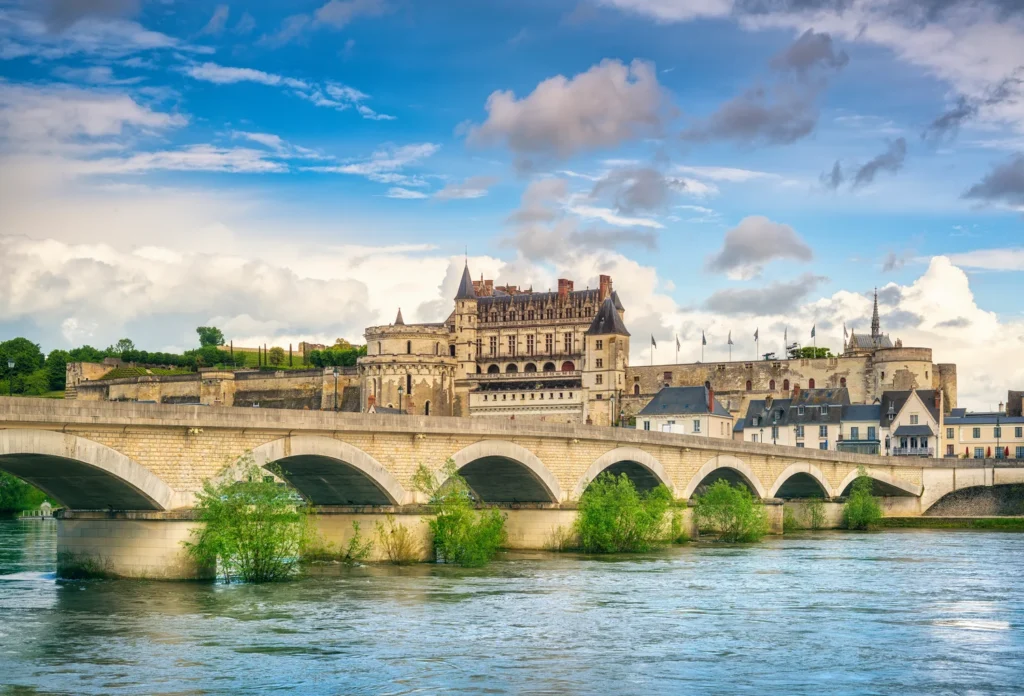
Amboise village and its bridge, illustrating the town base rather than a particular street.

Couples and families who want one compact cultural anchor

Choose Amboise for a smaller-town rhythm

Begin with the royal château and build outward from the town, giving Chenonceau its own considered visit. Keep at least one afternoon near your accommodation so the stay includes more than departures. Compare the exact room with the walking route to dinner and the vehicle access on arrival.

Worth knowing

A central address does not remove slopes or guarantee silence. Eastern excursions still need a realistic round trip; avoid judging the itinerary by a regional map alone.
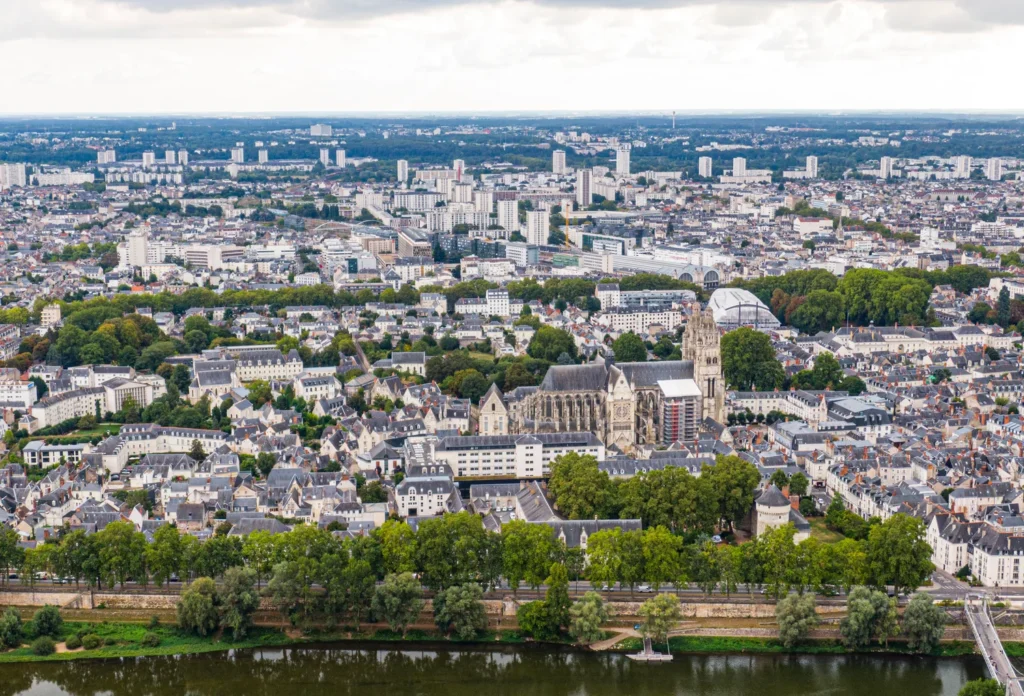
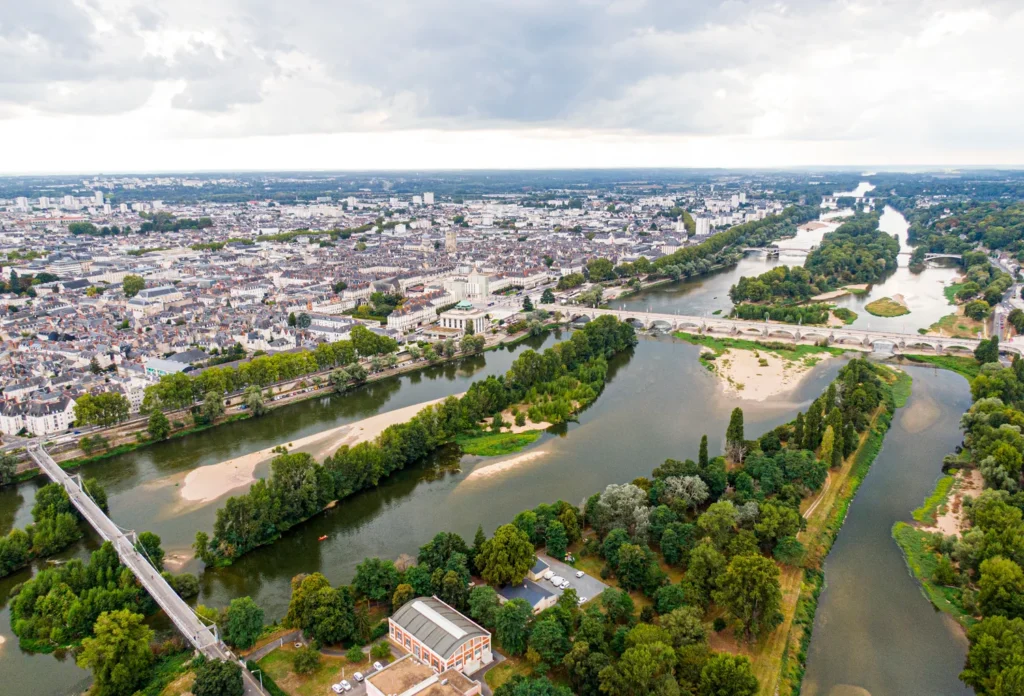
An aerial view of Tours, providing city context; Place Plumereau is not identified.

Travelers who value dining choice and alternatives between château visits

Choose Tours for city evenings and selective rail days

Let the city support companions with different interests while reserving full days for selected excursions. A train-based plan can work when you choose reachable places and match admissions to the timetable. Test the whole journey from the hotel door, including the return after your planned lunch.

Worth knowing

Rail reach does not mean every château links neatly to the next. An ambitious countryside circuit may require a driver even when the base itself is convenient.

Architecture-focused travelers making Chambord a priority

Use Blois when the eastern chapter leads

Compare a Blois base with a split stay if the east would otherwise involve repeated journeys. Keep a separate interval for the royal château in town, then give Chambord enough space to look closely. A second base earns its place when it adds an evening you want as well as reducing backtracking.

Worth knowing

Moving hotels consumes part of a day. On a short trip, a selective single-base plan is usually a better starting point than a compulsory west-to-east progression.

Travelers prioritizing privacy, grounds and slower meals

Choose a countryside stay only with time to enjoy it

Ask how many meals you would like to take at the property and how its location changes each excursion. Protect a late start or a full afternoon there, and agree driver hours before building a distant dinner into the plan. The room and grounds should contribute to the trip rather than simply decorate it.

Worth knowing

Rural seclusion can reduce independent choices for companions. Confirm restaurant operating days, evening transport and the actual room approach before committing.

A considered introduction

This guide follows the central château corridor around Tours, Amboise, Chenonceau and Blois. It does not attempt to cover the whole Loire river. Amboise is my starting point for a smaller-town stay centered on royal history; Tours suits travelers who want city evenings and a rail-based plan. Blois becomes a stronger contender when Chambord is the main architectural priority.

Allow four to six nights as an editorial starting point. Stay in one place for a shorter trip and accept a limited selection. On a longer stay, split west and east only when the second address buys useful evenings or removes repeated journeys. A countryside property deserves time in its own right, rather than becoming a place reached after dark every night.

Choose three or four major interiors across the stay, with a different question at each. Chenonceau introduces the relationship between house and river; Amboise puts the royal residence above its town; Chambord asks you to look at architecture; Blois offers another chapter of court life. A Tours interval can break the sequence. These are alternatives to combine selectively, not a mandatory circuit.

Advisor note

I would plot Chenonceau and the one other château you most want before selecting a room. Then test the return journey after dinner. An attractive rural address loses its advantage if every meal needs another drive; a town base may give the group more freedom between visits.

What stays with you

Signature experiences

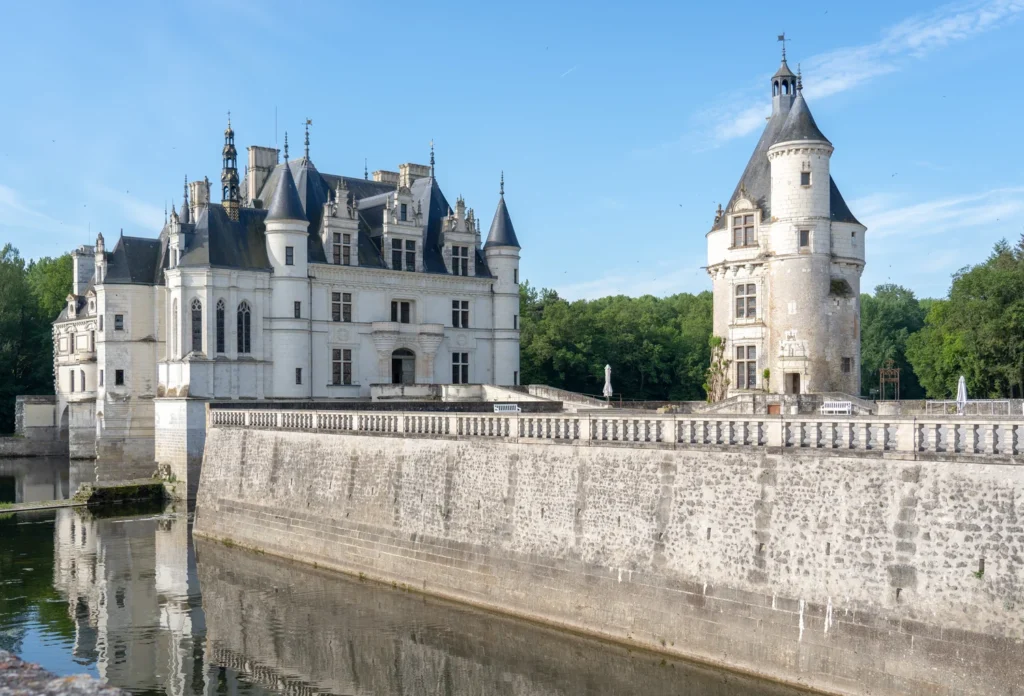
Château de Chenonceau in France.

House and river

See Chenonceau through its relationship with the Cher

Start outside to understand the château’s river setting, then let the interior visit explain the life of the house. Keep a separate interval for the gardens instead of rushing them on the way out. Allow a half-day as a planning allowance, including arrival and a pause. Confirm the current admission arrangements and the precise accessible route before fixing lunch. Chenonceau is on the Cher, not directly on the Loire.

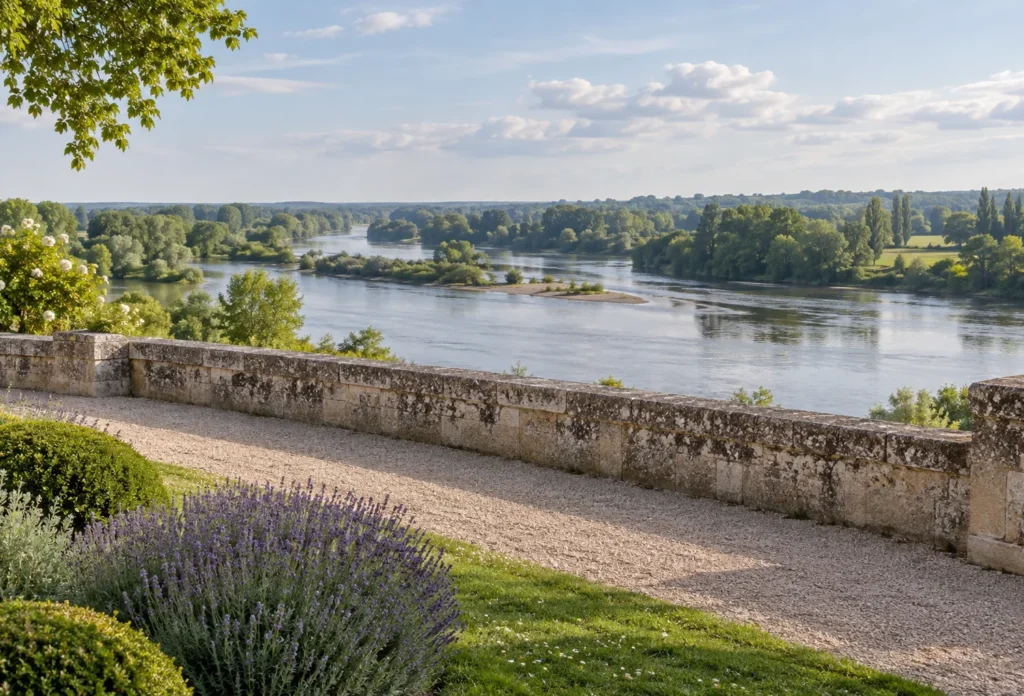
AI-generated editorial visualization of a scene inspired by a Loire garden terrace; not an exact view from the Château of Amboise.

Royal town and landscape

Look outward from the Royal Château of Amboise

Use the château and gardens to connect the royal residence with the town and river below. Follow one historical theme with a guide or visitor material, then leave time for the view instead of adding another interior immediately. Allow a generous morning as an editorial starting point. The public approach is sloping; confirm assistance and the spaces included in your chosen visit before making this the group’s main walking day. Image note: AI-generated editorial visualization of a scene inspired by a Loire garden terrace; not an exact view from the Château of Amboise.

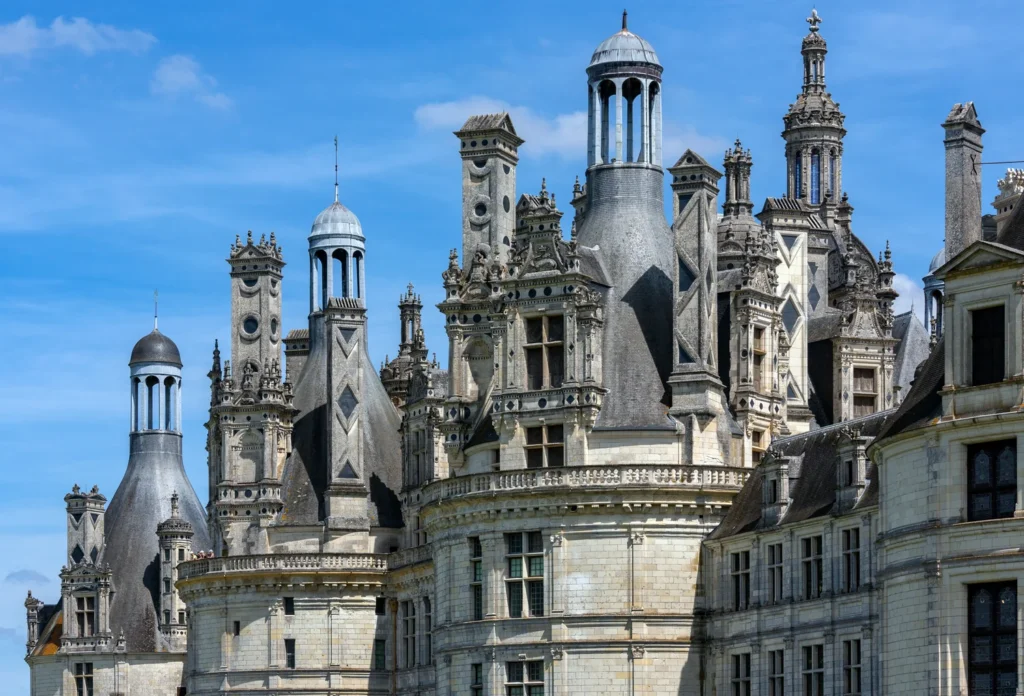
Château de Chambord in the Loire Valley.

Renaissance architecture

Give Chambord a day with room to look

Approach Chambord as an architectural visit, with time outside before entering and another interval afterwards to consider the building from a distance. Choose a current guided or self-guided format according to how deeply you want to engage. Allow a substantial part of the day once transfers are included. Confirm open rooms, walking distances and whether the published accessible ground-floor route meets your needs; do not assume every level is reachable.

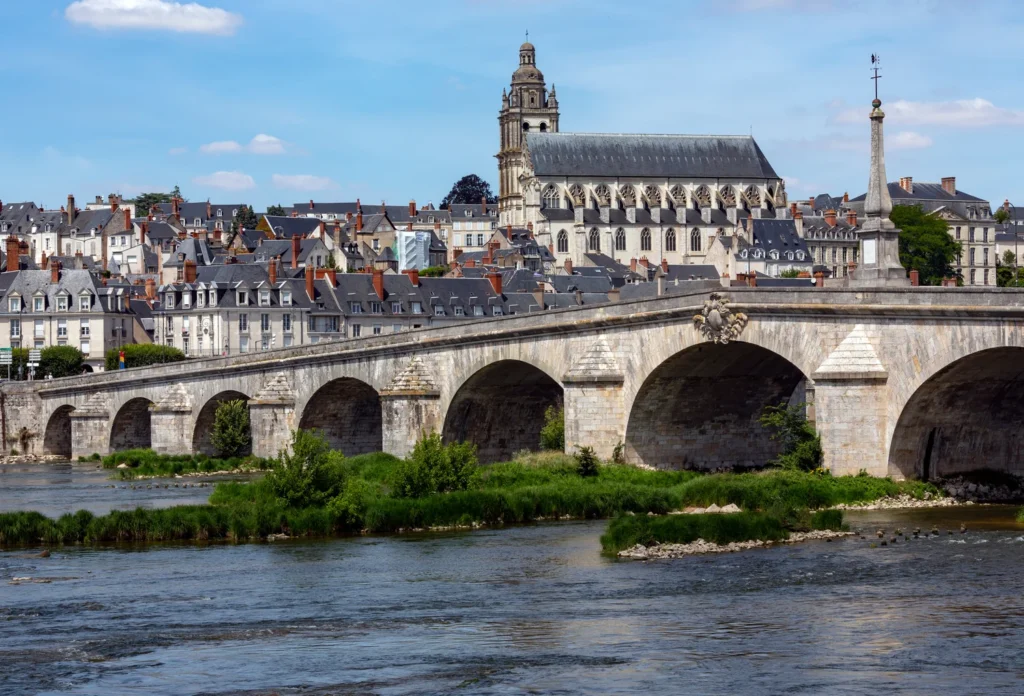
Blois in the Loire Valley, providing town context for the royal château visit; its courtyard is not identified.

Court life and changing tastes

Make Blois a different château chapter

At the Royal Château of Blois, choose architecture or the collections as the main thread rather than trying to give every room equal attention. Pair the visit with lunch in town and leave the afternoon open enough to discuss what differed from Amboise or Chambord. Allow two to three hours as a suggested visit interval. An evening sound-and-light programme is a separate, seasonal choice; confirm dates, timing and suitability for the group.

Tours and the bridges across the Loire, providing city context for the old-town afternoon; this is not a street-level view.

Town life between monuments

Trade another palace for a Tours afternoon

Begin around Place Plumereau and choose a short old-town route, with a seated meal or cafe pause at its center. This is a chance for companions to separate briefly for their own interests and meet again without a vehicle timetable. Allow two or three unstructured hours as a planning choice. If adding a museum or a guided walk, confirm its opening and language rather than turning the interval into another dense booking sequence.

Travel restored

What makes Loire Valley a wellness destination?

Leave a quiet interval between the cultural visit and dinner. A short permitted garden walk or time back at the hotel can give companions a choice without creating another appointment.

Wellness role
A meaningful restorative layer
Best for
Companions pacing walking and cultural attention
Format
Garden pause or time at the accommodation
Ideal commitment
One flexible interval
Intensity
Gentle

For companions

Agree a meeting point for those who prefer a cafe or the hotel.

Seasonal lens

Adjust the outdoor interval to rain, heat, daylight and access.

Leave room between cultural appointments

Let the garden be enough

Choose a short permitted garden route or a seat after the main visit, then stop when the group has had enough. Keep an indoor option and agree where companions will meet if they prefer different ways to spend the interval.

Duration
Thirty to sixty minutes as a flexible allowance
Intensity
Gentle
Best for
Travelers who prefer a lighter afternoon
Consider

Confirm the garden route, seating and weather. This is optional leisure, not a health programme.

Leisure choices only; no medical or treatment outcome is implied.

Timing the journey

When to go

Spring and autumn suit a plan mixing interiors and outdoor intervals, with rain flexibility. Summer needs shade and time away from exposed courtyards. In winter, shorten outdoor ambitions and check each venue’s calendar.

Mar · Apr · May

Conditional

Spring with room for rain

Weather
Milder conditions can still include showers.
Crowds
Check school holidays and local event dates.
Best for
Combine a main interior with flexible garden time.

Jun · Jul · Aug

Conditional

Summer with a protected pause

Weather
Warm conditions and hot spells can make exposed courtyards tiring.
Crowds
Compare actual admission availability before arranging a driver day.
Best for
Keep shade and a seated lunch within the day.

Sep · Oct · Nov

Conditional

Autumn with a smaller outdoor promise

Weather
Cooling conditions and rain can change a walking plan.
Crowds
Special events may affect town and château visits.
Best for
Choose the base for the intended interiors, with outdoor time as conditions allow.

Dec · Jan · Feb

Conditional

Winter with calendar checks

Weather
Plan for cold conditions and limited daylight.
Crowds
Seasonal programmes do not mean every venue opens every day.
Best for
Use fewer stops and confirm meals and admissions in advance.

Seasonal guidance is a planning framework, not a forecast or a promise of empty rooms. Check actual opening calendars, conditions and special events.

Value, clearly framed

Understanding trip value

Request a tailored quotation

What shapes the guidance

The quotation depends on room category, season, driver hours, guiding and admissions. No fixed price or partner benefit is promised.

Journey logistics

Arrive well

Compare the actual rail itinerary to Tours or Saint-Pierre-des-Corps before booking the onward car. They are different stations. Regional trains can support a selective itinerary, including Chenonceaux, but the last connection and the walk to your accommodation still matter. Confirm the transfer for arrival and departure as carefully as the château days.

Primary gateway Tours or Saint-Pierre-des-Corps railway station, with confirmed onward transport to your base

Rail

Arrive at the station your onward plan actually uses

Confirmed Paris or other origin stationTours or Saint-Pierre-des-Corps

Date-specific rail service and prearranged onward transport

Check station identity, connection margin, luggage and final transfer. Do not treat a headline rail time as a door-to-door duration.

Access and mobility

Review the route at each property and monument rather than relying on a general accessible label. Amboise publishes a sloping approach; Chambord lists accessible ground-floor and garden areas. Chenonceau describes a ramp and visitor assistance, which does not establish access to every room. Ask for distances, surfaces, seating, toilets and the route that matches your needs.

Before you go

Practical planning notes

Reservations

Keep the rivers straight

Chenonceau stands on the Cher. The broader Loire Valley label should not turn every river crossing or château photograph into a Loire scene.

Reservations

Reserve the whole excursion

Match admissions, driver or train times, lunch and the last transfer. Avoid adding a second château only because it appears nearby on a map.

Reservations

Check what access means

A guide booking does not confer closed-room or private access. Confirm the visit format and any assistance separately with each venue.

Reservations

Leave alternatives for companions

A long interior or tasting does not suit every traveler. Build a shorter option and a clear place to regroup without forcing the entire group into the same schedule.

The VH Luxe approach

How VH Luxe composes the journey

  1. Arrival and a local evening

    Settle into the chosen base. Confirm the first admission and keep dinner reachable without another substantial journey.

  2. First full day: the anchor château

    Give Chenonceau or the château that drove your choice the best part of the day. Keep its garden and a meal separate from the transfer.

  3. Change scale the following day

    Choose town time or the royal château in your base, with a flexible afternoon. Do not automatically add a second large interior.

  4. Choose an eastern chapter or stay local

    If Chambord matters, give it a considered excursion. On a longer trip, compare a Blois stay; otherwise retain the original base and limit the programme.

  5. A final unhurried morning

    Use remaining time near the accommodation and confirm the departure station and transfer. A last admission should not create a rushed rail connection.

Paramjit Harika, VTA, CTA

Advisor-led planning

Your journey, personally considered

Paramjit Harika

Founder & Luxury Travel Advisor

I coordinate your hotel and room, premium air, transfers and key experiences as one considered journey, with one point of contact from planning through travel.

Good to know

Frequently asked questions

Where should I stay in the Loire Valley?

Start with Amboise for a smaller-town cultural stay, Tours for city evenings and selective rail excursions, or Blois for an eastern focus. Plot the actual visits and dinner returns before choosing a room.

How many nights should I allow?

Four to six nights is an editorial starting point for this central corridor. Four favors one base and a selective programme; longer stays can support more unstructured time or a purposeful second base.

Can I visit without driving?

Yes, with a selective plan. Tours has regional rail options, including Chenonceaux, but check the exact service, onward walk and return. For rural accommodation or several scattered stops, compare a prearranged driver.

Should I visit two châteaux every day?

Usually that creates more repetition than depth. Choose distinct reasons for each visit and alternate a major interior with gardens, town time or an afternoon at the accommodation.

Is Chenonceau on the Loire river?

It is on the Cher. It belongs within the wider Loire Valley itinerary, but its river setting should be described accurately.

Are château visits step-free?

Not universally. Ask each venue for its current route, surfaces, seating and assistance. Chambord publishes ground-floor and garden accessibility; that does not guarantee access to the upper levels.