The VH Luxe destination guide

Alsace: Strasbourg, Colmar & Wine Villages

Last updated 20 September 2026

Choose Strasbourg for city depth, or Colmar for art and a carefully planned village day.

Recommended stay

4–

6 nights

Best time

Choose dates around the cultural visits and transport you can confirm. Keep warm-weather walks flexible and check autumn producer operations. For a winter market trip, confirm the specific year’s dates and local arrangements rather than assuming every village follows the same calendar.

Primary gateway

Strasbourg and Colmar railway stations, with the full onward journey checked for the chosen base

Journey context

Four nights suit one main base. Five or six allow Strasbourg, Colmar and one deliberate village day without hurried hotel changes.

Curator’s verdict

The colorful streets are only the starting point. Give Strasbourg’s cathedral, Colmar’s art and one wine village enough time to become different experiences, then choose the base that makes those days comfortable.

Choose well

Should city culture or village access determine your base?

Start with the cultural anchor, then compare the everyday route and the cost of a hotel change.

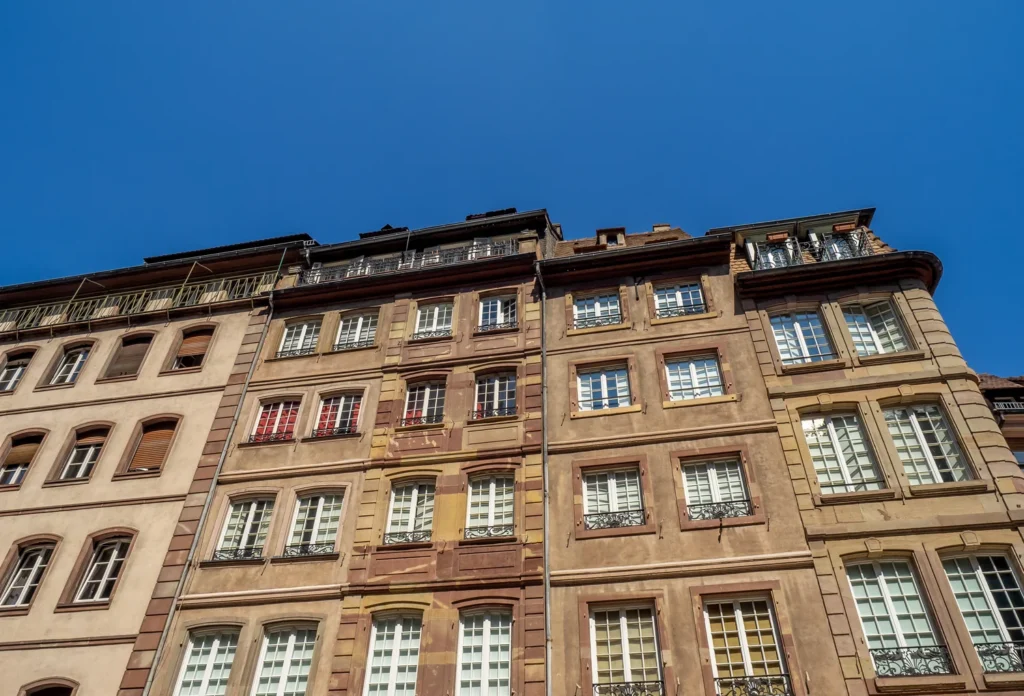
Historic buildings in Strasbourg’s city centre.

Travelers who want city neighborhoods and independent evenings

Stay in Strasbourg for cultural depth

Let the cathedral and a considered Petite France walk anchor the stay, with room for your own interests between them. Visit Colmar by a confirmed rail service when one museum and a short town route are enough. Compare the hotel door with the cultural stops and dinners you expect to repeat, including evening sound and luggage access.

Worth knowing

Returning from Colmar sets a boundary on that day. The wine villages need a separate route and should not be squeezed into a museum afternoon.
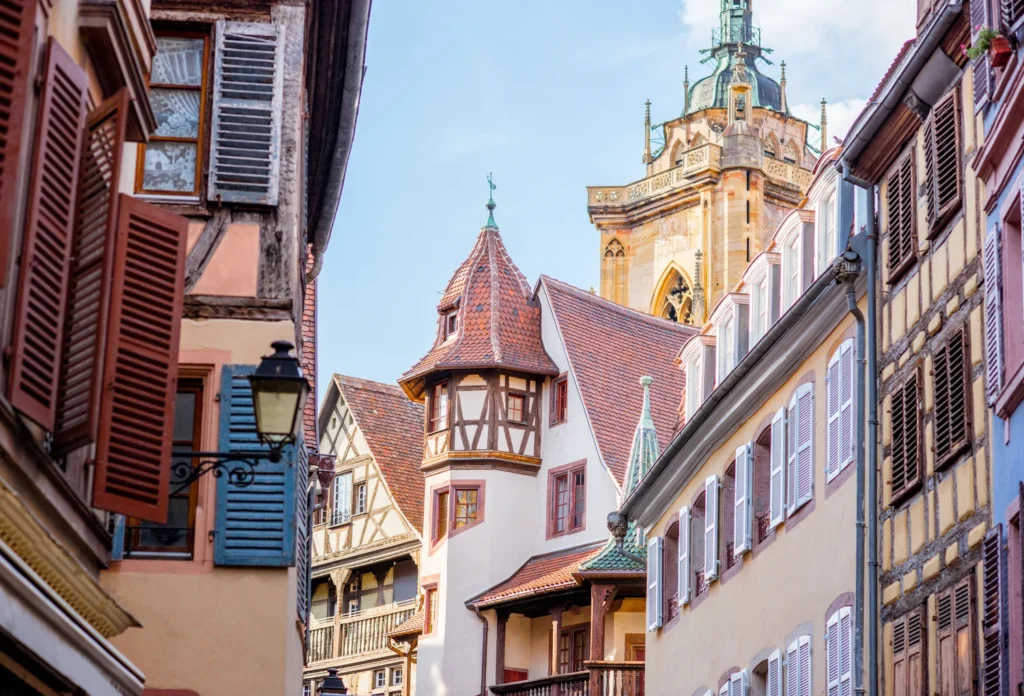
Colmar town, illustrating a base in central Alsace.

Travelers who want Unterlinden and time beyond the city

Stay in Colmar for art and village days

Choose Colmar when you want a full art interval, a separate old-town walk and a deliberately chosen village excursion. A central address can simplify the museum and evening routes. A property outside town may offer a different atmosphere, but confirm dining and transport for the actual dates before trading convenience for a view.

Worth knowing

Village access still depends on transport and operating days. Being in Colmar does not mean every wine-route stop is reachable whenever you choose.

Curious travelers who prefer conversation to a long circuit

Choose one village with a purpose

Use Eguisheim for a short historic-street route and a discussion of the surrounding vineyard landscape. If a tasting matters, confirm the producer, format and return transport before adding another village. Terroir refers to the place and conditions behind a wine, together with the work of cultivation; ask the host to make that idea specific.

Worth knowing

You may see fewer famous facades. In return, the day has time for lunch, questions and companions who are not interested in tasting.

Travelers weighing a year-round cultural stay against a seasonal event

Let the calendar decide the special trip

Choose a cultural itinerary unless a specific market, exhibition or wine event is the main purpose. For an event-led stay, confirm that year’s dates and the local access arrangements before booking the hotel. On a longer trip, split the cities only when the evenings and fuller visits justify the move and another luggage transfer.

Worth knowing

A seasonal event can change transport, restaurant demand and the walking experience. Do not assume a general winter or harvest label describes the day you will have.

A considered introduction

Keep Strasbourg as the main base when the cathedral, city neighborhoods and independent evenings lead the trip. A Colmar rail excursion can work for one focused museum visit and a short town walk. Add a separate village day only when its transport and return are clear; a railway connection between cities does not create an effortless wine-route circuit.

Choose Colmar when Unterlinden, the old town and nearby wine villages deserve several days. Compare a central room with a village stay according to the dinner route, luggage access and what happens if you decide to shorten an outing. A scenic rural address can be rewarding, but the view does not establish producer access or regular public transport.

Allow four to six nights as an editorial starting point. Four suit one base and a selective excursion. Five or six can justify time in both cities, with one considered village day rather than several brief photo stops. This guide covers Strasbourg, Colmar and Alsace wine villages; Burgundy and trips into Germany need separate planning.

Advisor note

I would choose the museum time before choosing the village count. Give Unterlinden an unhurried interval, then use another day for Eguisheim and a confirmed wine conversation if desired. Returning to a comfortable base is part of the experience, especially after a tasting.

What stays with you

Signature experiences

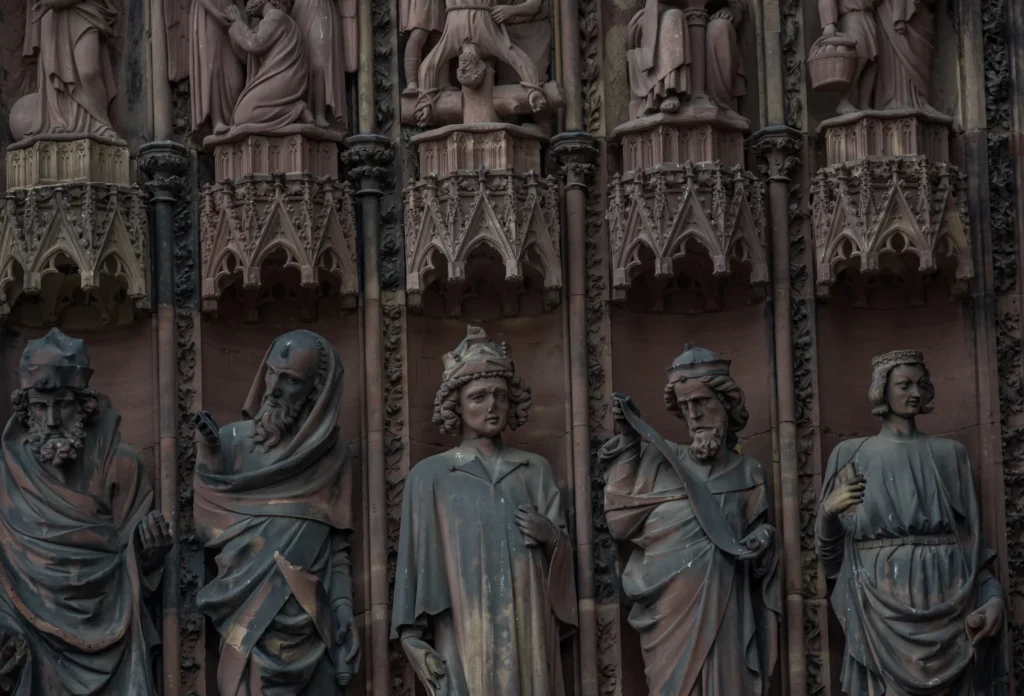
Exterior sculptural detail at Strasbourg Cathedral.

Faith and stone

Give Strasbourg Cathedral a protected interval

Begin with the cathedral’s exterior and a considered interior visit when cultural access permits. Choose a small number of details to look at rather than trying to cover every feature. Allow an unhurried hour as a planning interval and respect worship and staff directions. The platform is a separate 332-step decision; special clock presentations or other programmes should be checked individually, not treated as automatic parts of admission.

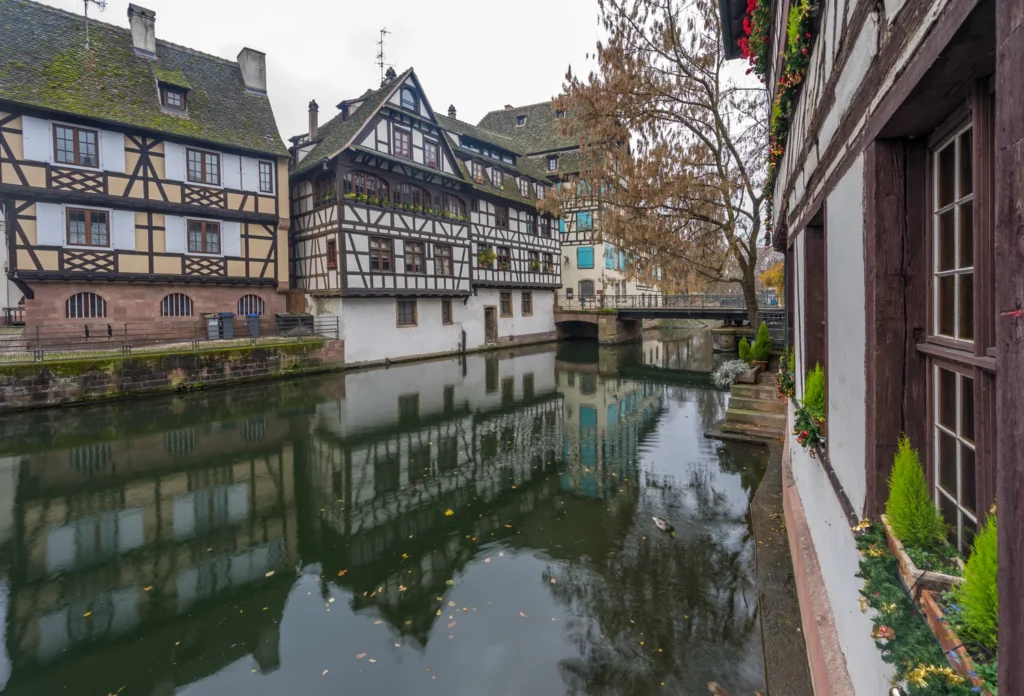
The Ill river in Strasbourg’s Petite France quarter.

Water and urban work

Read Petite France beyond its facades

Choose a short public route through Strasbourg’s Petite France, noticing the waterways and bridges alongside the timber-framed buildings. Ask a guide or use official interpretation to connect the river quarter with the work that shaped it. Allow around an hour with a seated pause, and adapt to busy crossings and current access. A boat can offer another perspective, but it is a separate booking and not necessary to complete the walk.

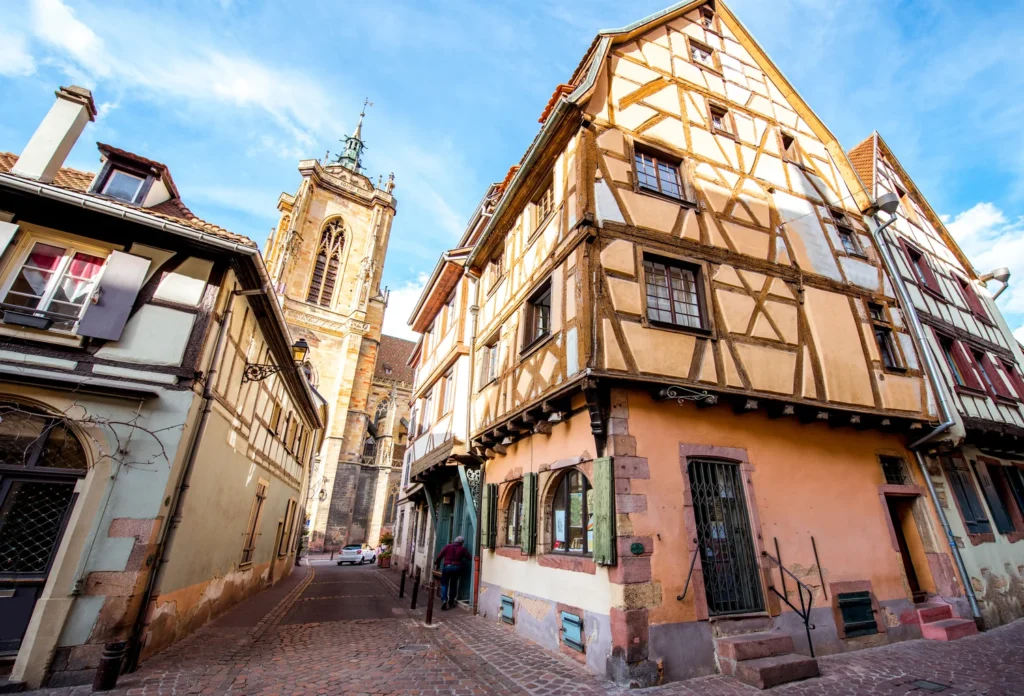
Colmar town, providing setting for an Unterlinden visit. The museum and its collections are not shown.

Art and close looking

Spend time with Unterlinden’s collections

Give Colmar’s Musée Unterlinden a focused museum interval, including the Isenheim Altarpiece if it is on the current route. Let the work’s religious imagery and the surrounding collection guide the conversation, rather than treating the visit as a single-image stop. Allow roughly two hours as an editorial starting point, with room to rest afterwards. Confirm opening, display conditions and the specific accessible route before travel.

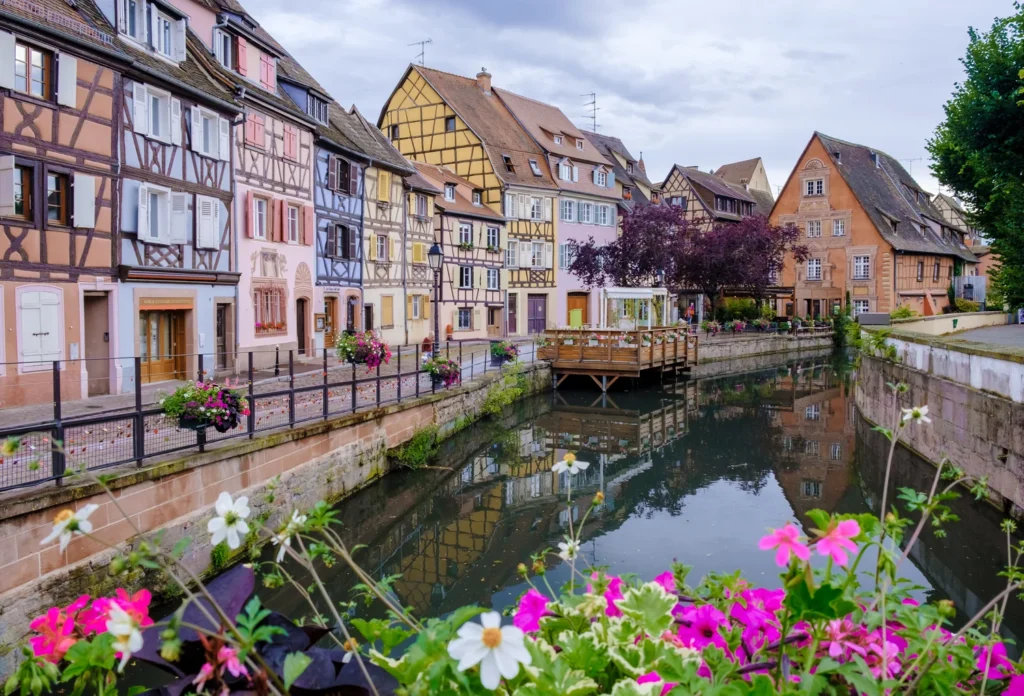
Colmar’s Little Venice quarter, with a canal and traditional half-timbered houses.

Colmar and the Lauch

Take a smaller walk through Little Venice

Follow a manageable stretch of Colmar’s Little Venice around the Lauch and the fishmongers’ quarter, leaving time to notice the relation between houses and water. This is distinct from Strasbourg’s Petite France and need not repeat the same kind of guided tour. Allow forty-five to sixty minutes, pause where appropriate and respect private thresholds. A canal boat ride is optional and needs its own operating and boarding check.

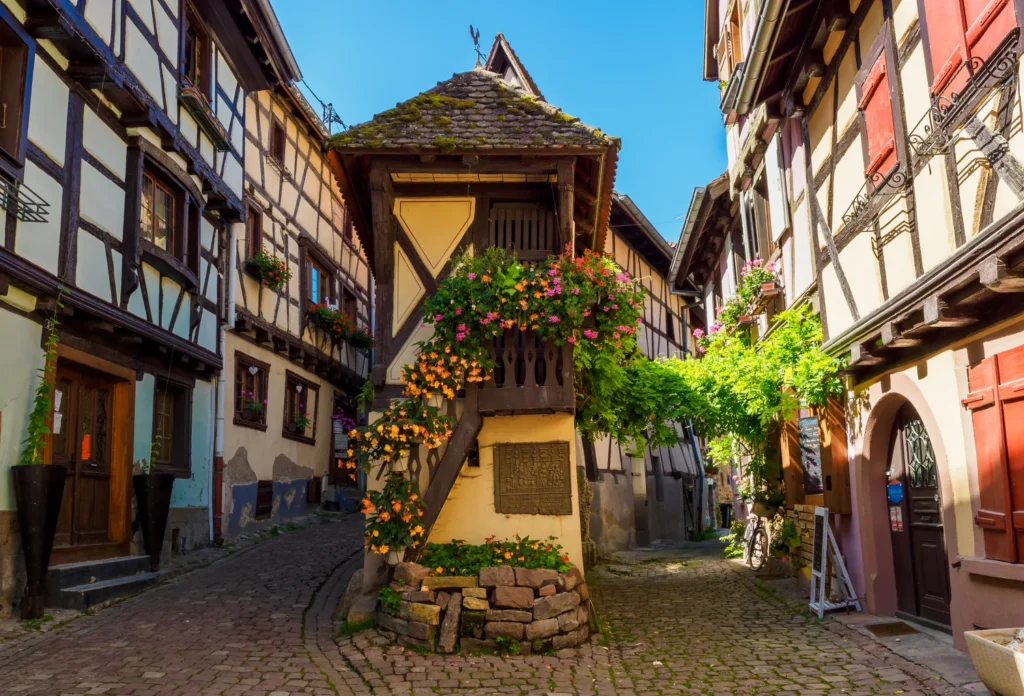
Traditional houses on a street in Eguisheim, France.

Wine village and landscape

Let Eguisheim explain one part of the wine route

Choose a short route through Eguisheim’s concentric historic streets and place it in the context of the surrounding vines. If you want a producer conversation, agree on the appointment and what it includes before arrival. Keep lunch and the return transport within the plan, and use only public or expressly permitted vineyard paths. A village visit does not promise a cellar opening, tasting availability or access to harvest work.

Travel restored

What makes Alsace: Strasbourg, Colmar & Wine Villages a wellness destination?

A shorter waterside walk and a proper pause after the museum can give the day room to breathe. Keep non-tasting companions’ interests visible, with time in town or at the accommodation instead of making every afternoon a producer visit.

Wellness role
A meaningful restorative layer
Best for
Companions balancing art, village walking and different interests in wine
Format
A quiet town interval or a short waterside route
Ideal commitment
Thirty to sixty minutes between reservations
Intensity
Gentle

For companions

Agree where to rejoin when one person prefers a longer museum visit and another wants a seated pause.

Seasonal lens

Move the pause indoors when rain, cold or heat makes the outdoor route uncomfortable.

Let the museum experience settle before the next reservation

Leave a gap after looking

Choose a seat, a short waterside interval or a return to the accommodation after Unterlinden or the cathedral. Let companions keep different levels of walking without turning the gap into another compulsory activity. Confirm a simple reunion point and preserve time for an unhurried meal.

Duration
Thirty to sixty minutes
Intensity
Gentle
Best for
Mixed-interest companions and travelers who prefer a slower afternoon
Consider

Select the specific route for conditions and personal mobility. No health outcome is implied.

These are leisure suggestions, without medical or therapeutic claims.

Timing the journey

When to go

Choose dates around the cultural visits and transport you can confirm. Keep warm-weather walks flexible and check autumn producer operations. For a winter market trip, confirm the specific year’s dates and local arrangements rather than assuming every village follows the same calendar.

Mar · Apr · May

Conditional

Spring with cultural anchors

Weather
Use the actual forecast to choose the length of village walks.
Crowds
Check museum openings and seasonal village transport.
Best for
Pair one substantial interior with an outdoor interval.

Jun · Jul · Aug

Conditional

Summer with time between visits

Weather
Shorten exposed walking if heat makes it uncomfortable.
Crowds
Confirm dining, museum and transport reservations for the chosen days.
Best for
Protect a shaded or indoor pause after lunch.

Sep · Oct · Nov

Conditional

Autumn by producer appointment

Weather
Keep an indoor alternative for a wet village day.
Crowds
Ask each producer how its working calendar affects visits.
Best for
Do not assume harvest participation or an open cellar.

Dec · Jan · Feb

Conditional

Winter with the exact event calendar

Weather
Plan outdoor intervals around weather and daylight.
Crowds
Confirm the specific year’s market dates and local access arrangements.
Best for
Choose culture-led days unless a confirmed seasonal event is the purpose.

Seasonal guidance is a conditional planning framework, not a weather forecast, market calendar or promise of open cellars.

Value, clearly framed

Understanding trip value

Request a tailored quotation

What shapes the guidance

Compare the exact room, rail fares, museum tickets, village transport and tasting inclusions. No fixed package price, allocation or preferred-partner benefit is guaranteed.

Journey logistics

Arrive well

Compare the actual train itinerary and the route from the arrival station to the hotel. For travel between Strasbourg and Colmar, check the dated service and return conditions. Village touring requires another plan: the Kut’zig route is seasonal and operates on specified days, while a booked vehicle can suit a different schedule. Confirm the last return and any reservation before fixing a tasting.

Primary gateway Strasbourg and Colmar railway stations, with the full onward journey checked for the chosen base

Rail

Connect Strasbourg and Colmar with the day in view

Strasbourg railway stationColmar railway station and confirmed local route

Date-specific train and onward transfer where required

Check both station approaches, departures and return flexibility. The intercity rail journey is separate from village transport.

Access and mobility

Ask about the museum entrance, lifts and seating, and inspect the actual street route rather than relying on the word central. Strasbourg Cathedral’s platform involves 332 steps and is a separate choice from an interior visit. In the towns and villages, paving, steps and the final vehicle approach vary. Confirm boat or bus boarding separately if adding either.

Before you go

Practical planning notes

Reservations

Separate worship from sightseeing

Respect services and confirm the cultural route. The platform climb and any clock presentation are distinct choices with their own arrangements.

Reservations

Keep the village return confirmed

Check the dated bus calendar and reservation or arrange a vehicle. Do not schedule a tasting around an assumed year-round loop.

Reservations

Ask before entering

Historic streets include homes and working premises. Ask before photographing people or entering a courtyard, cellar or vineyard.

Reservations

Treat food preferences as part of the plan

Communicate dietary needs directly and reserve the meal that suits the group. Local wine culture can be appreciated without requiring every companion to taste.

The VH Luxe approach

How VH Luxe composes the journey

  1. Arrival: keep the first evening close

    Settle into the main base and confirm cultural opening days. Avoid risking the essential museum reservation on a delayed arrival.

  2. Strasbourg: cathedral and river quarter

    Give the cathedral a focused interval and Petite France a separate slower walk, allowing time to sit and eat between them.

  3. Colmar: art before the postcard

    Protect Unterlinden first, then choose a short Little Venice route according to energy and weather. Keep the return train flexible enough for the day.

  4. Eguisheim: one village with room to listen

    Take the historic-street route, enjoy lunch and add only a confirmed producer appointment that fits the transport. Do not turn the day into a race between villages.

  5. Optional second base and departure

    With five or six nights, split the cities only when fuller visits and evenings justify the move. Confirm the complete onward connection from the final hotel.

Paramjit Harika, VTA, CTA

Advisor-led planning

Your journey, personally considered

Paramjit Harika

Founder & Luxury Travel Advisor

I coordinate your hotel and room, premium air, transfers and key experiences as one considered journey, with one point of contact from planning through travel.

Good to know

Frequently asked questions

Should I stay in Strasbourg or Colmar?

Choose Strasbourg for city culture and independent evenings. Choose Colmar for a substantial museum visit and repeated village excursions. Compare the actual transport and dinner routes before selecting a rural property.

Can I visit Colmar from Strasbourg by train?

Yes, SNCF lists a rail route between them. Check the date-specific service and station approaches. A village excursion requires a separate onward plan.

Are Petite France and Little Venice the same place?

No. Petite France is in Strasbourg, while Little Venice follows a stretch of the Lauch in Colmar. They deserve different route plans and correctly identified imagery.

Is the Strasbourg Cathedral platform step-free?

The tourist office describes a 332-step ascent. Treat it as an optional separate climb and confirm current access rather than assuming an interior visit includes it.

Can I visit the wine villages without a car?

A seasonal Kut’zig service links Colmar with several villages, but dates, operating days, reservations and return times matter. Confirm the actual service or arrange another form of transport; do not assume it runs year-round.