The VH Luxe destination guide

Bordeaux & Saint-Émilion

Last updated 20 September 2026

Choose Bordeaux for city evenings, or Saint-Émilion for time among the vines.

Recommended stay

4–

6 nights

Best time

Choose dates by the visits you can confirm. In warmer periods, reduce exposed afternoon walking. For an autumn vineyard trip, confirm estate operations rather than assuming harvest participation; winter plans need explicit opening-day checks.

Primary gateway

Bordeaux-Mérignac Airport; Bordeaux Saint-Jean station for rail arrivals

Journey context

Four nights suit Bordeaux and a Saint-Émilion day. Five or six allow a vineyard stay while retaining city culture; this is a suggested pace.

Curator’s verdict

A vineyard view and a city address create different trips. Decide where you want to spend the hours between visits before choosing the estates you hope to see.

Choose well

Should the city or the vineyard be your main base?

Choose where to spend the evenings, then set the number of estate visits and the amount of walking.

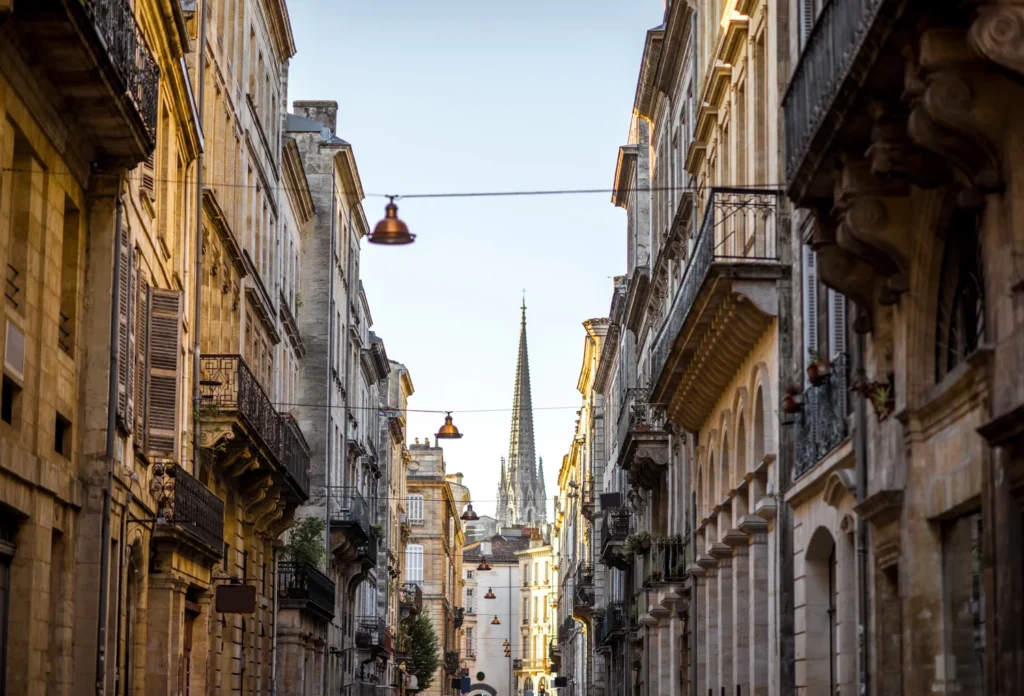
Bordeaux city architecture, illustrating a city base.

Travelers who want culture, dining and one vineyard day

Stay in Bordeaux for city evenings

Keep Bordeaux as the base when museums and independent afternoons deserve equal space alongside wine. Use one day for Saint-Émilion with a confirmed village visit, lunch and an estate appointment that fits the route. Compare the hotel door with the places you will revisit, and ask about the room’s sound exposure before choosing a central address.

Worth knowing

You will return from the vineyards after each excursion. A late rural dinner adds a separate transport commitment.
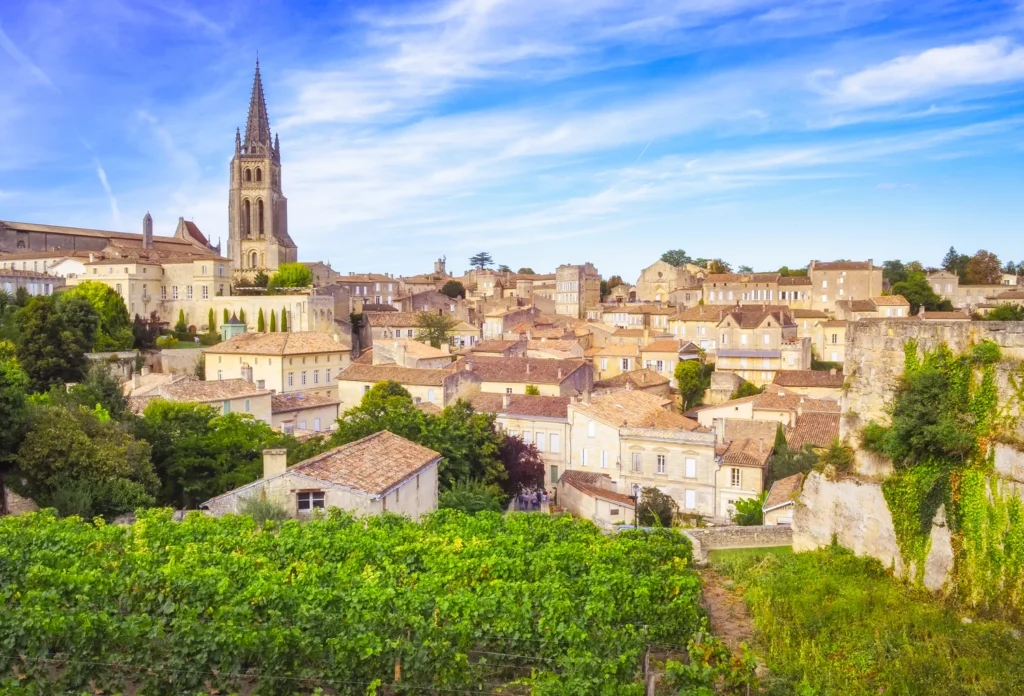
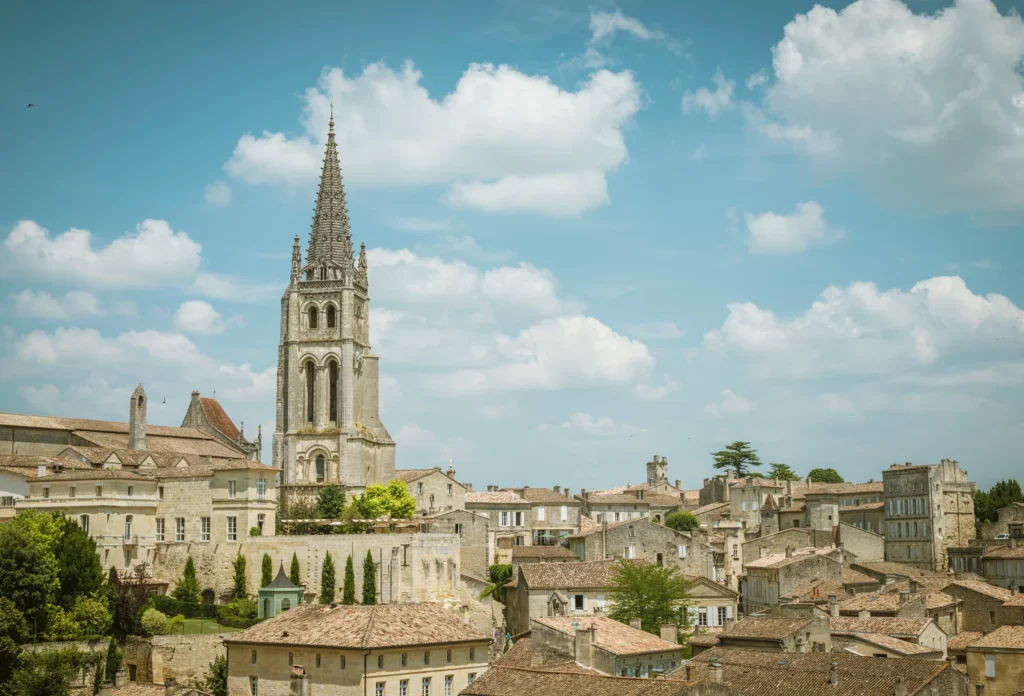
Saint-Émilion village in the Bordeaux region.

Travelers who want vineyard mornings and a slower evening

Stay near Saint-Émilion for countryside time

Choose between sleeping in the village and a property outside it. The first may put selected restaurants closer; the second can suit a quiet view and time on site. Check the actual dinner options, their opening days and the last vehicle approach. Two nights give one complete day between arrival and departure without a daily return to Bordeaux.

Worth knowing

A vineyard setting can mean more reliance on a driver. Estate access and tastings are separate arrangements, even when the room overlooks vines.

Curious travelers and mixed-interest companions

Build the wine day around one good conversation

Ask what the visit explains: growing decisions, cellar practice or the finished wines. Begin with one confirmed estate and add a second only if its approach is meaningfully different and the route remains comfortable. Tell the host about non-drinkers, children and dietary needs before booking. Keep lunch and the return transport visible in the plan.

Worth knowing

You will see fewer labels, but retain time to listen. A famous estate name does not guarantee the visit format, language or wines you want.

Travelers who want history beyond tasting rooms

Treat the village as a heritage visit

Give the underground monuments their own reservation and leave room for a short walk above ground. Confirm the spoken language, meeting point and accessible route before building the rest of the day. The village, an estate cellar and a Bordeaux museum explain different parts of the region, so they need not compete for one afternoon.

Worth knowing

The terrain and timed departure limit spontaneity. A tower climb is a separate decision and should not be assumed to be included in an underground ticket.

A considered introduction

Bordeaux is the stronger main base when dining, museums and independent afternoons matter as much as wine. Keep a Saint-Émilion day focused on the village and one confirmed estate visit, allowing enough time for the road or station transfers. A return to the city gives non-tasting companions a wider choice the following day.

Stay in Saint-Émilion or its surrounding vineyards when the countryside is the main reason to come. A village address and a rural property are different choices: compare the dinner route, vehicle access and what can be reached comfortably on foot. A vineyard outlook does not establish access to that estate or remove the need to book visits.

Allow four to six nights as an editorial starting point. Four nights can support a city base with one vineyard day; five or six make a two-base stay easier to justify. This guide covers Bordeaux and Saint-Émilion. A Médoc excursion is an optional contrast requiring its own day, not an extra stop on the same circuit. The Atlantic coast belongs to a separate itinerary.

Advisor note

I would book the estate conversation you most want before filling the rest of the wine day. One thoughtful visit, a proper lunch and the village can be more rewarding than several similar tastings. Choose a second base only if the evenings there matter.

What stays with you

Signature experiences

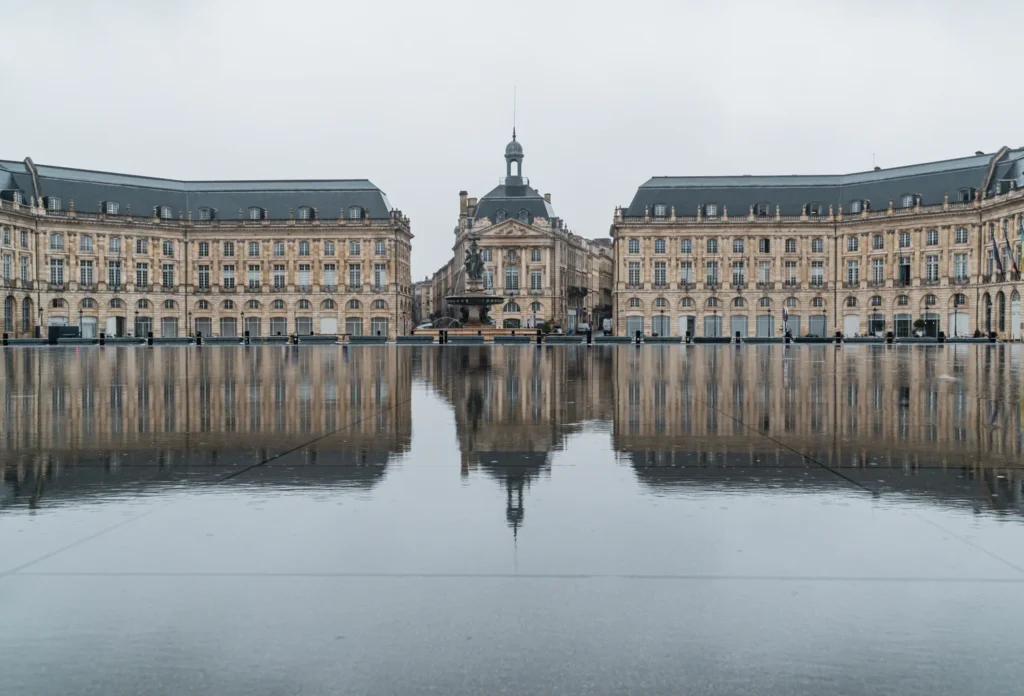
The reflecting pool at Place de la Bourse, Bordeaux.

Riverfront and urban form

Read Bordeaux from Place de la Bourse

Begin with the public riverfront around Place de la Bourse and choose a short route that lets you notice the relationship between the city and the Garonne. Allow forty-five to ninety minutes as a flexible planning interval, with a seated stop if desired. Treat the reflecting pool as a possible part of the scene, not a guaranteed effect, and adapt the walk to weather and personal mobility.

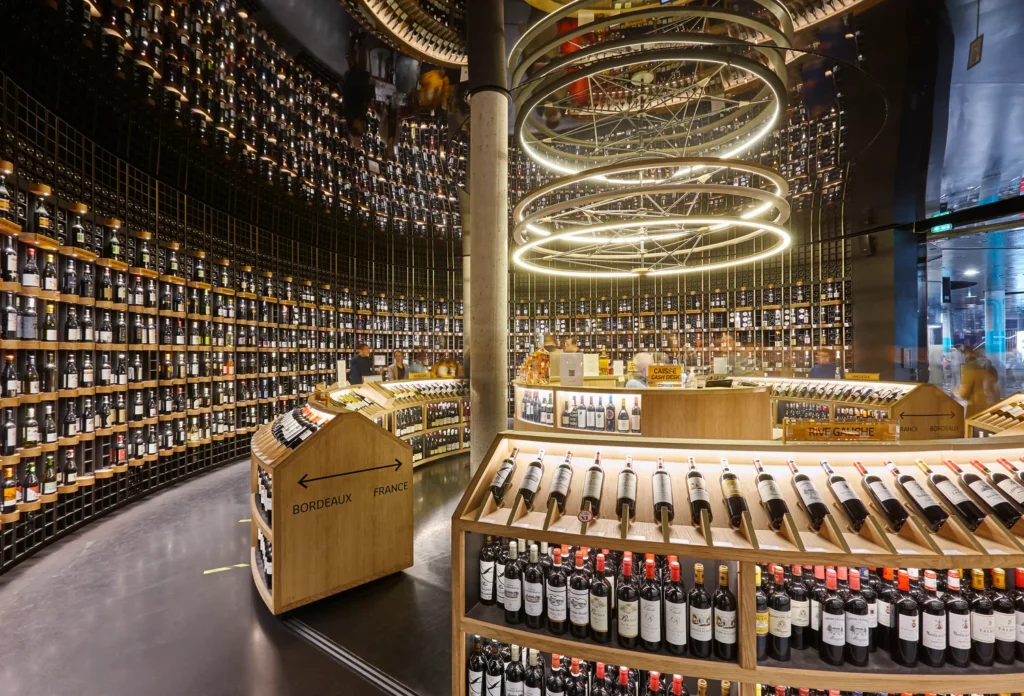
The wine shop at the Cité du Vin in Bordeaux. This shows the retail setting, not the museum exhibition or exterior.

Wine as culture

Start with questions at the Cité du Vin

Use the Cité du Vin to explore wine as a cultural subject before heading to an estate. Choose a theme such as landscapes or the work behind production, and let that shape what you ask later. Allow two to three hours, with extra time if you add a meal or workshop. Confirm the current ticket, visit format and non-alcoholic options directly; the exhibition and a winery appointment serve different purposes.

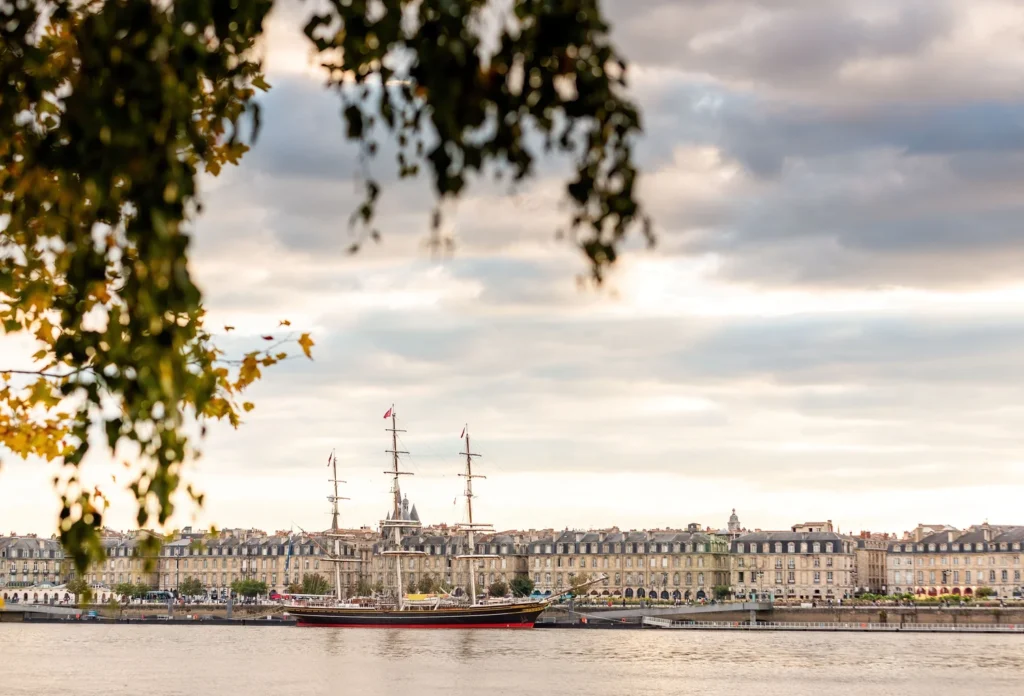
A moored sailing ship on the Bordeaux waterfront, providing city context for the history explored at the Musée d’Aquitaine. The museum is not pictured.

History and responsibility

Give the Musée d’Aquitaine a considered visit

Set aside an unhurried museum interval to understand Bordeaux beyond its handsome facades. The Musée d’Aquitaine includes interpretation of eighteenth-century Atlantic commerce, the slave trade and slavery. Use that context when looking at the port city afterwards, without reducing its history to wine merchants alone. Allow around ninety minutes as a starting point and confirm opening, available galleries and the access route before travel.

The monolithic church at Saint-Émilion, seen from outside.

Stone and belief

Go beneath Saint-Émilion with a guide

Reserve the tourist office’s underground heritage visit and arrive before the stated meeting time. The published French-language product takes roughly forty-five minutes to an hour and includes the monolithic church with other underground monuments. Confirm your spoken-language departure and mobility needs separately. Photography is prohibited during that underground visit, and the bell tower is not included; leave time afterwards for an above-ground village pause.

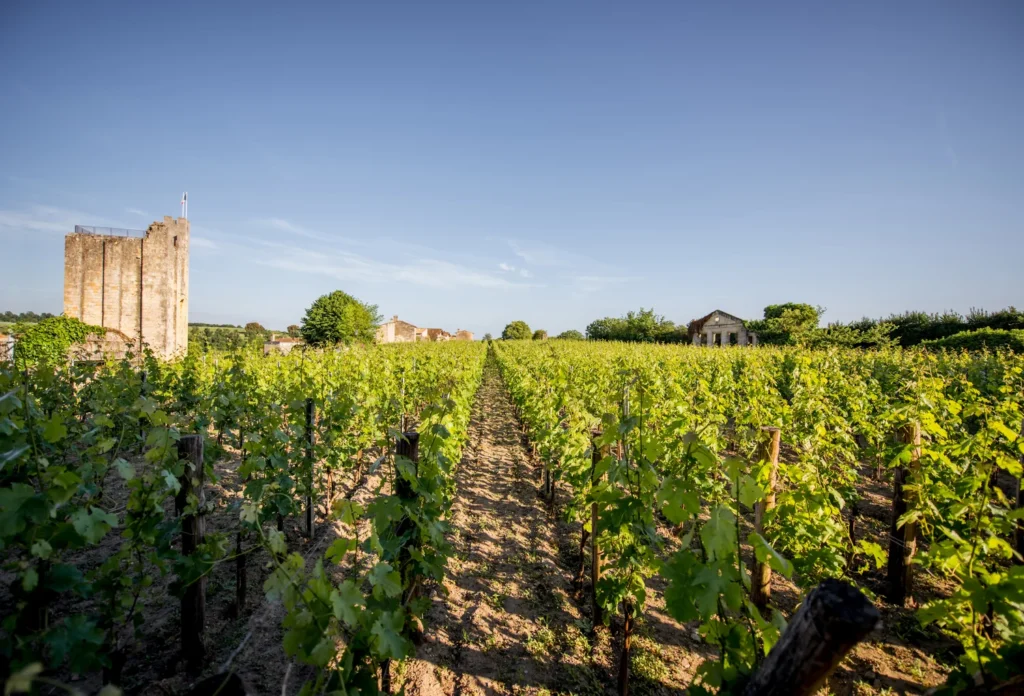
Vineyards at Saint-Émilion. No specific estate visit is represented.

Wine landscape and craft

Let one Saint-Émilion estate set the pace

Choose a confirmed estate visit for the questions you want to ask about the vineyard, cellar and wines. Protect its stated duration, then allow a proper meal and a return journey that does not depend on finding a last-minute vehicle. Ask exactly what is included and whether companions can enjoy the visit without tasting. Vineyard access, food pairings and harvest activity are conditional arrangements, not automatic parts of every booking.

Travel restored

What makes Bordeaux & Saint-Émilion a wellness destination?

Leave a quiet interval between a museum, a meal and an estate visit. A short riverside pause in Bordeaux or time at your accommodation may suit the day better than adding another tasting.

Wellness role
A meaningful restorative layer
Best for
Companions balancing cultural curiosity, dining and different levels of stamina
Format
A short outdoor pause or time at the accommodation
Ideal commitment
Thirty to sixty minutes without a reservation
Intensity
Gentle

For companions

Agree on a meeting point if one companion prefers a museum and another wants a longer lunch.

Seasonal lens

Adjust outdoor pauses to rain, wind, heat and daylight; keep an indoor alternative.

Make the afternoon comfortable for different interests

Leave a gap after lunch

Keep thirty to sixty minutes free after a substantial meal. Sit by the river when conditions suit, or return to the accommodation. A non-tasting companion can use the gap for an independent interest without turning the whole itinerary into separate trips.

Duration
Thirty to sixty minutes
Intensity
Gentle
Best for
Companions who prefer a lighter afternoon
Consider

Select a route suited to conditions and personal mobility. No health benefit is promised.

These are leisure choices. No medical or therapeutic outcome is implied.

Timing the journey

When to go

Choose dates by the visits you can confirm. In warmer periods, reduce exposed afternoon walking. For an autumn vineyard trip, confirm estate operations rather than assuming harvest participation; winter plans need explicit opening-day checks.

Mar · Apr · May

Conditional

Spring with a flexible village day

Weather
Check the forecast before committing to a long outdoor route.
Crowds
Confirm holiday dates and estate appointment availability.
Best for
Balance one indoor cultural visit with the village.

Jun · Jul · Aug

Conditional

Summer with less exposed afternoon walking

Weather
Use the forecast to plan shade and indoor pauses during warm weather.
Crowds
Book the visits and meals that anchor the day.
Best for
Keep the outdoor circuit shorter when heat makes it uncomfortable.

Sep · Oct · Nov

Conditional

Autumn by appointment

Weather
Prepare an indoor alternative if the vineyard day is wet.
Crowds
Ask each estate how its working calendar affects visits.
Best for
Do not assume harvest access or participation.

Dec · Jan · Feb

Conditional

Winter with confirmed opening days

Weather
Plan outdoor time around the actual weather and daylight.
Crowds
Check restaurant, museum and estate operations for the precise dates.
Best for
Prefer a compact cultural programme with flexible outdoor intervals.

Seasonal suggestions are an editorial planning framework, not a forecast, event calendar or guarantee of estate access.

Value, clearly framed

Understanding trip value

Request a tailored quotation

What shapes the guidance

Compare the exact room, dates, admissions, estate visit format and driver hours. Tasting fees, meals and transport may be separate. Preferred-partner value is subject to confirmation.

Journey logistics

Arrive well

Compare the complete journey to the chosen hotel, including luggage and the final vehicle approach. A Saint-Émilion train arrival still needs a village or estate transfer; the station is outside the historic center. Confirm the return transport before accepting a late tasting appointment. The tourist office notes a sloping village approach with pavement along only part of the station route; arrange a vehicle if this does not suit your group.

Primary gateway Bordeaux-Mérignac Airport; Bordeaux Saint-Jean station for rail arrivals

Premium commercial air

Arrive through Bordeaux

Confirmed origin airportBordeaux-Mérignac Airport

Scheduled flight and confirmed onward transfer

Check the actual arrival, baggage and connection before reserving the first substantial visit.

Rail

Plan the final approach to Saint-Émilion

Confirmed rail originSaint-Émilion station and booked village or estate transfer

Date-specific rail journey followed by a local transfer

The station is outside the village; confirm both onward and return transport, and check the current train itinerary.

Access and mobility

Ask about paving, slopes, steps and the vehicle drop-off in Saint-Émilion, then confirm the exact underground tour route with the tourist office. In Bordeaux, request the entrance, lift and seating arrangements at each venue. A central address or accessibility symbol is not a substitute for checking the particular route you need.

Before you go

Practical planning notes

Reservations

Confirm the visit language

A French-language listing is not a promise of a spoken English tour. Reserve the departure that fits your group and clarify whether any translation is written.

Reservations

Keep the return transport settled

Arrange a driver or a confirmed public-transport plan before the tasting day. Do not rely on an unbooked vehicle being available at a rural estate.

Reservations

Ask before entering the vines

Vineyards are working land. Follow the host’s permitted route and never infer access from an open-looking track or a hotel view.

Reservations

Choose the room for the daily route

For a rural stay, confirm dinner availability and transport. For a village stay, ask about steps, luggage handling and the exact vehicle approach.

The VH Luxe approach

How VH Luxe composes the journey

  1. Arrival: keep the evening close

    Settle in Bordeaux and leave the first substantial visit for a full day. Confirm the museum and vineyard reservations.

  2. Bordeaux: city and its history

    Pair a manageable riverfront walk with the Musée d’Aquitaine, allowing time between looking and lunch.

  3. Bordeaux: wine in a wider context

    Give the Cité du Vin a focused interval and use the rest of the day for personal interests or a quiet return.

  4. Saint-Émilion: heritage and one estate

    Fit the underground visit, lunch and a confirmed estate appointment to a realistic route. Remove an element if the timings feel compressed.

  5. Optional countryside stay and departure

    On a five- or six-night trip, give the vineyard base two nights. Add Médoc only with a separate day, and protect the onward connection.

Paramjit Harika, VTA, CTA

Advisor-led planning

Your journey, personally considered

Paramjit Harika

Founder & Luxury Travel Advisor

I coordinate your hotel and room, premium air, transfers and key experiences as one considered journey, with one point of contact from planning through travel.

Good to know

Frequently asked questions

Should I stay in Bordeaux or Saint-Émilion?

Choose Bordeaux when city culture and independent evenings lead. Choose the village or nearby countryside when time among vineyards and rural evenings matter enough to arrange local transport.

How many nights should I allow?

Four to six is a useful starting point. Four nights can support a city base and one Saint-Émilion day; five or six allow a two-night countryside chapter without losing the Bordeaux visits.

Is the Saint-Émilion station in the village?

No. Plan an onward transfer or a suitable walking route from the station, considering luggage, terrain and the actual meeting point. Confirm the return before fixing a late appointment.

Can I enter the monolithic church independently?

The tourist office’s underground monuments open with a guide. Confirm the chosen departure’s language, route and timing. Its underground ticket does not include the bell tower.

Does everyone need to taste wine?

No. The itinerary includes heritage, museums and city time. Ask an estate about its non-drinking format before booking, and avoid assuming that a tasting fee covers an equally suitable alternative.