
The VH Luxe destination guide

Perthshire

Last updated 13 September 2026

Choose a Perthshire base that brings woodland, culture and an easy evening into the same stay.

Recommended stay

4–

6 nights

Best time

Choose dates around the garden, museum or performance that matters most. Spring and summer support more time outdoors; autumn suits woodland colour with no guarantee of its timing. Winter needs a shorter radius and individual checks of openings and path conditions.

Primary gateway

Perth, Dunkeld and Birnam, or Pitlochry rail arrival with a planned final transfer

Journey context

Four to six nights allows cultural visits, woodland time and an unhurried day. Start with one base and add a second only for a distinct Loch Tay chapter.

Curator’s verdict

Perthshire offers a different Scottish rhythm: time among trees, a considered cultural visit and an evening with no long journey home. The useful choice is how close you want to be to the town, the theatre or the loch.

Choose well

Which Perthshire base fits your countryside stay?

Compare cultural priorities, outdoor effort and the evening return. A good base keeps the days coherent without making every plan depend on another drive.

Aerial view of Perth, Scotland.

Travelers who want museum depth and a palace visit

Choose Perth for a cultural centre of gravity

Perth makes a coherent base when the museum and Scone Palace are your strongest interests. Give those visits separate intervals rather than compressing both before lunch, and use the city for an easy evening. Compare the actual room address with the journeys you will make, especially when a property sits outside the centre.

Worth knowing

Dunkeld woodland and a Pitlochry performance still require planned travel. A Perth base serves a cultural chapter better than a daily circuit of distant countryside stops.
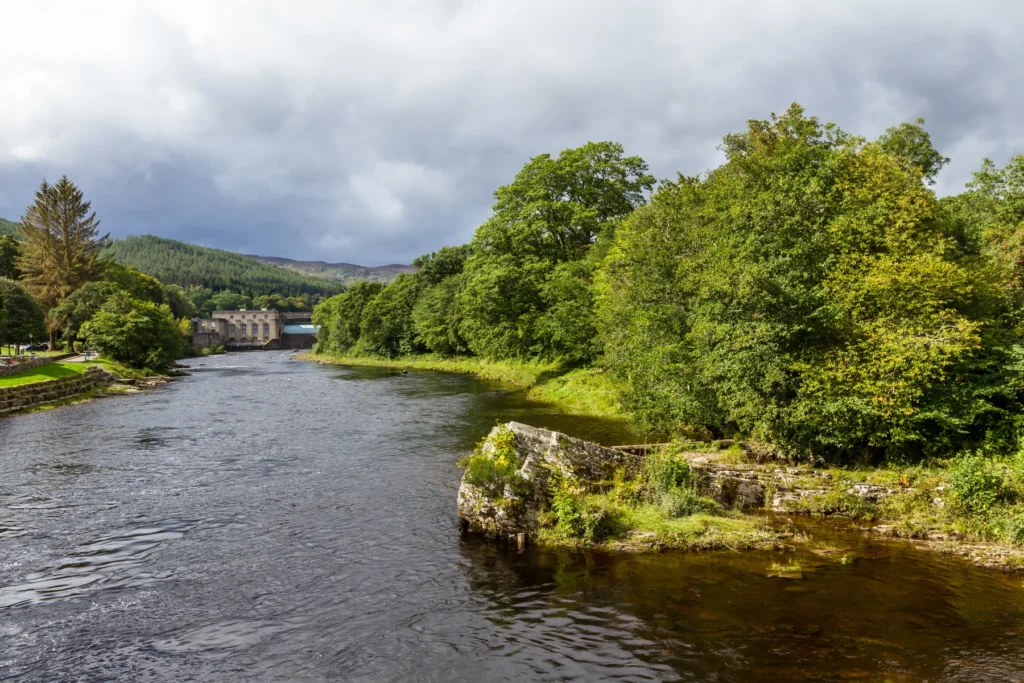

Pitlochry Dam and the River Tummel, Perthshire.

Travelers led by woodland, a performance or lochside quiet

Choose Dunkeld, Pitlochry or Loch Tay deliberately

Dunkeld suits a woodland-led stay; Pitlochry makes the return from theatre more manageable. Loch Tay offers a different setting when time beside the water and the Crannog Centre matter more than town evenings. Choose the anchor first, then confirm dining, road access and the exact surroundings of the accommodation. Image: Pitlochry Dam and the River Tummel.

Worth knowing

The three labels do not describe the same experience. A remote lochside address may trade choice and convenience for setting, while a town base may require a drive for the quiet you pictured.

Couples and multigenerational parties who dislike repeated packing

Let one base do more work

For four to six nights, begin by testing whether one address can serve the chosen cultural visits and outdoor time. Leave at least a half day uncommitted and avoid putting every available attraction into the plan. A second base earns its place when it creates a real Loch Tay chapter rather than one more overnight stop.

Worth knowing

A smaller radius means selecting among worthwhile places. Keep the experiences that support the stay’s purpose and leave the rest for another visit.

Garden visitors, theatre travelers and mixed-ability companions

Match the season to the actual activity

Choose the performance or visitor calendar before arranging a countryside stay around it. Woodland colour varies, while daylight and wet surfaces change the outdoor plan. Separate a short woodland interval from a longer walk and check whether everyone can use the proposed route comfortably. Keep an indoor cultural option that is genuinely open.

Worth knowing

An attractive seasonal image does not establish access, colour or weather for your dates. Confirm the activity and route instead of booking on atmosphere alone.

A considered introduction

Perthshire works well as a stay with its own purpose, rather than a pause on the way farther north. Perth suits a museum and palace-led visit. Dunkeld and Pitlochry bring woodland and performance into the plan. Loch Tay invites a more deliberate lochside chapter, with fewer spontaneous town evenings. Choose the geography that supports the day you want to repeat.

Allow four to six nights and begin with one base. Select a cultural anchor, a woodland day and a lighter interval, then add the Loch Tay chapter only when it justifies the drive or a longer stay. A country-house room can be a central part of the experience if enough time remains to use it; an isolated address is less helpful when every dinner and excursion requires another transfer.

This guide covers Perth, Dunkeld, Pitlochry and Loch Tay within Perthshire. It does not expand into a wider Highlands circuit, Skye or Edinburgh. The five experiences are choices across that boundary, not a requirement to visit every site. A satisfying plan leaves space for a second look at a garden or a better seat at the performance you actually want to see.

Advisor note

I would choose the evening first: a performance-led stay has a different ideal base from a lochside retreat. Then confirm the nearby meal and the practical access to woodland. Preserve at least one half day for the accommodation and its immediate surroundings.

What stays with you

Signature experiences

Illustrative beech-leaf detail, not a documentary photograph of the Hermitage.

Woodland and water

Give the Hermitage time beyond the photograph

Choose a suitable walk at the National Trust for Scotland’s Hermitage near Dunkeld and allow time to pause among the trees. Follow the managed paths and respect the River Braan: the Trust warns of fast current and slippery rocks, with paths untreated for winter ice. This is a woodland visit, not a swimming recommendation. Make the route and turnaround fit the weather and the least confident walker. Image: illustrative beech leaves, not the Hermitage.

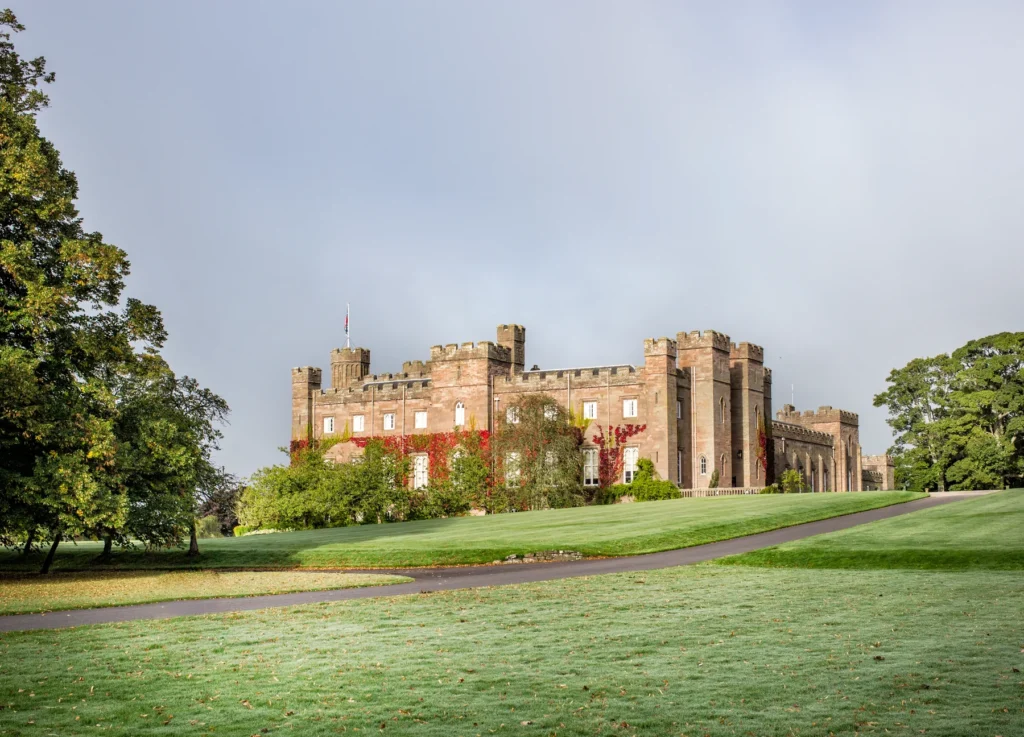
Scone Palace, Scotland.

Palace and gardens

Read Scone through its house and grounds

Give Scone Palace a considered half day, choosing the current palace and garden admission that fits your interests. Use its interpretation to distinguish the history of the site from the building and landscape you see today. Follow a manageable garden route and leave time for a pause. Confirm opening, access and any guided format directly; no private room or after-hours arrangement is implied.

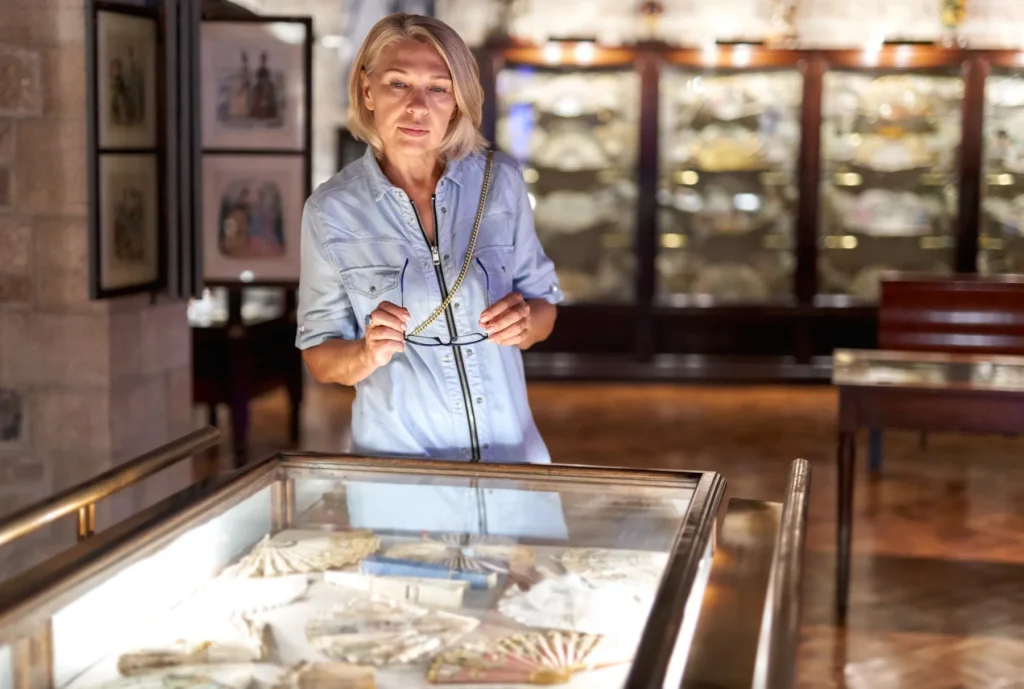
Illustrative museum visitor scene, not Perth Museum or the Stone of Destiny display.

Objects and national memory

Start a Perth day at the museum

At Perth Museum, consider the Stone of Destiny alongside questions about monarchy and historical interpretation. The museum currently directs individuals to book a viewing timeslot at the front desk; groups need separate planning. Recheck the process and leave margin around the visit. This display is distinct from Scone Palace. Image: illustrative museum visitor, not Perth Museum or its Stone of Destiny display.

Illustrative theatre curtain, not the interior of Pitlochry Festival Theatre.

Performance and an easy return

Build an evening around Pitlochry Festival Theatre

Choose a production from Pitlochry Festival Theatre’s current programme, then plan the seat and return journey. Confirm the venue, access and performance format; events do not all use the same space. Leave time for a meal and an unrushed arrival. Let the performance lead the evening rather than adding it after a long driving day. Image: illustrative curtain, not Pitlochry Festival Theatre.

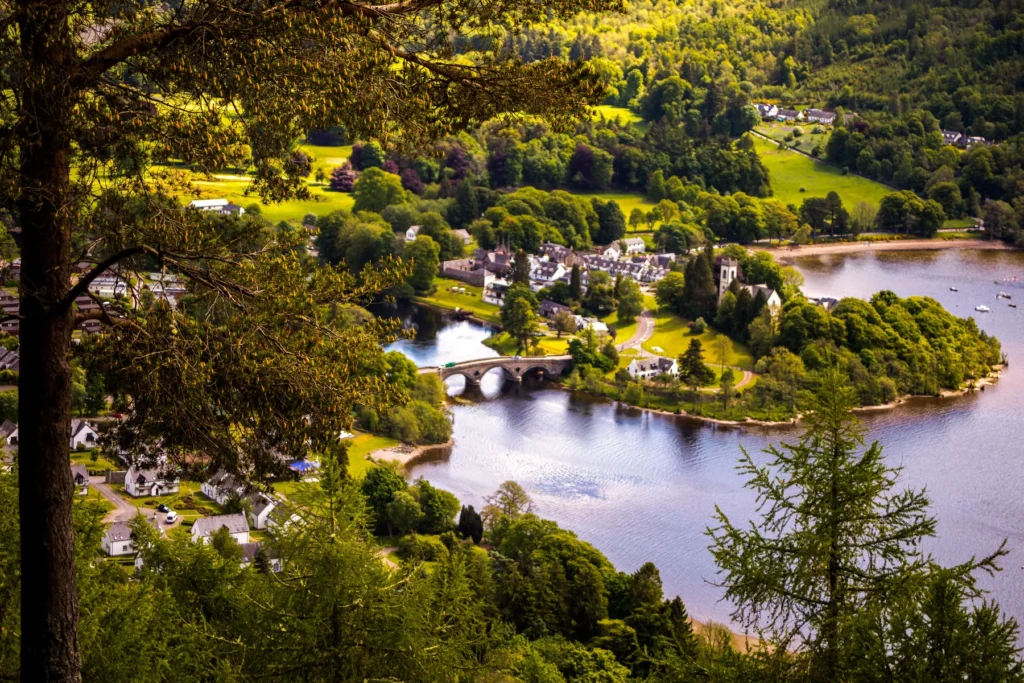
Kenmore beside Loch Tay, Perthshire; regional context for a Dalerb visit.

Archaeology and making

Meet the current Crannog Centre at Dalerb

Visit the Scottish Crannog Centre at Dalerb for museum interpretation, artefacts and Iron Age village craft demonstrations. Check the current programme and which reconstructed structures are open on your date. Allow a half day for learning and the lochside setting, with the route and access confirmed beforehand. Image: Kenmore beside Loch Tay, not the Dalerb site.

Travel restored

What makes Perthshire a wellness destination?

Woodland observation and a garden pause can make the countryside feel less like a sequence of stops. Keep the route modest enough to leave attention for the place and energy for the evening.

Wellness role
A meaningful restorative layer
Best for
Travelers who want manageable outdoor time between cultural visits
Format
A short woodland interval or garden route with an agreed turnaround and time to sit
Ideal commitment
Keep thirty minutes free of another booking during one outdoor day
Intensity
Gentle

For companions

Choose a shared start and meeting point so companions can enjoy different distances without separating the whole itinerary.

Seasonal lens

Adjust the interval to daylight, rain and surfaces. In icy conditions, choose an indoor pause instead.

Make attention more important than distance

Notice the woodland at a smaller scale

On a suitable managed path near the chosen base, stop to notice bark, fallen leaves and the sound of water from a safe distance. Set an easy turnaround rather than a mileage goal. At the Hermitage, remain on the footpaths and away from slippery river rocks; a quiet moment does not require an isolated or difficult location.

Duration
Twenty to forty minutes
Intensity
Gentle
Best for
Companions seeking a lighter outdoor interval
Consider

Check current route conditions and access. No health benefit or safe water entry is implied.

This is leisure planning, not a treatment, therapeutic programme or promised health outcome.

Timing the journey

When to go

Choose dates around the garden, museum or performance that matters most. Spring and summer support more time outdoors; autumn suits woodland colour with no guarantee of its timing. Winter needs a shorter radius and individual checks of openings and path conditions.

Mar · Apr · May

Conditional

Spring garden and cultural balance

Weather
Bring layers and prepare for wet paths.
Crowds
Check holiday dates and seasonal openings.
Best for
Pair a chosen garden route with an indoor visit.

Jun · Jul · Aug

Conditional

Summer evenings with a plan

Weather
Longer daylight does not remove rain.
Crowds
Reserve the performance and accommodation priorities.
Best for
Use a lighter afternoon before an evening programme.

Sep · Oct · Nov

Conditional

Autumn woodland within daylight

Weather
Leaf colour and weather vary by date and place.
Crowds
Confirm visitor calendars and event demand.
Best for
Keep the outdoor radius small enough for an early return.

Dec · Jan · Feb

Conditional

Winter culture and a shorter radius

Weather
Icy paths and short daylight can limit woodland plans.
Crowds
Confirm each visitor service individually.
Best for
Choose a dependable cultural anchor and optional outdoor time.

These are editorial planning windows. Confirm current openings, performances and path conditions; foliage colour is never guaranteed.

Value, clearly framed

Understanding trip value

Request separate costs for accommodation, transport, tickets, guiding and meals. Compare the location of the room with the transfer pattern it creates, and confirm any additional charges before choosing the final itinerary.

What shapes the guidance

Four to six nights for two travelers. No package rate, complimentary upgrade or private access is assumed.

Journey logistics

Arrive well

Compare the operator’s actual train service with the chosen accommodation, then arrange the final leg separately. Perth, Dunkeld and Birnam, and Pitlochry are different arrival choices along the rail corridor. A rural property or Loch Tay address may still require a substantial road connection. Confirm the destination station, luggage needs and assistance before purchasing the journey.

Primary gateway Perth, Dunkeld and Birnam, or Pitlochry rail arrival with a planned final transfer

Rail

Choose the station that serves the stay

Your confirmed Scottish rail connectionPerth, Dunkeld and Birnam, or Pitlochry

Date-specific scheduled rail service

Check which trains stop at the chosen station, required changes and assistance. A line on a route map is not a confirmed connection.

Final transfer

Arrange the countryside last leg

Confirmed arrival station or airportBooked Perthshire accommodation

Prearranged road transfer or suitable rental vehicle

Confirm vehicle access, luggage and arrival timing. Do not assume a rural address is walkable from its nearest station.

Access and mobility

Check each complete journey, from the train platform to the accommodation and the actual visitor entrance. Dunkeld and Birnam station assistance needs specific confirmation. Woodland paths and garden routes can be uneven or slippery, so ask for a suitable shorter option and seating. At museums and theatre, discuss the seat, entrance and access needs directly rather than relying on a general accessibility label.

Before you go

Practical planning notes

Reservations

Confirm the actual arrival station

Check the selected rail service and assistance for the full journey, especially at Dunkeld and Birnam. Arrange the rural last leg before departure.

Reservations

Keep woodland water at a distance

The Hermitage’s river can run quickly and rocks can be slippery. Use the footpaths and adapt the walk to current conditions.

Reservations

Use current museum arrangements

Perth Museum’s Stone of Destiny viewing process and the Crannog Centre’s programme are operational details to recheck. Older itineraries and photographs may mislead.

Reservations

Let the evening remain simple

Match a Pitlochry performance to the base, meal and return transfer. A countryside day does not need to end with another complicated drive.

The VH Luxe approach

How VH Luxe composes the journey

  1. Settle into the chosen setting

    Arrive at the base, confirm the next day’s practicalities and keep the first meal close.

  2. Pair culture with a nearby pause

    Choose Perth Museum or Scone Palace as the main visit and leave room around it.

  3. Give woodland a day of its own

    Use a suitable route near Dunkeld and keep the rest of the afternoon light.

  4. Choose the final contrast

    Add a Pitlochry performance or a Loch Tay learning day according to the base and interests. Keep departure margins intact.

Paramjit Harika, VTA, CTA

Advisor-led planning

Your journey, personally considered

Paramjit Harika

Founder & Luxury Travel Advisor

I coordinate your hotel and room, premium air, transfers and key experiences as one considered journey, with one point of contact from planning through travel.

Good to know

Frequently asked questions

How long should I spend in Perthshire?

Four to six nights offers a useful balance of cultural visits, woodland and time at the accommodation. Start with one base and add nights before adding distant stops.

Should I stay in Perth or the countryside?

Choose Perth for a museum and palace-led visit. Dunkeld, Pitlochry and Loch Tay suit different woodland, performance and lochside priorities; compare the exact evening return.

Can I reach Perthshire by train?

Yes, but select the date-specific service and station, then arrange the final transfer. A rural accommodation address may be some distance from the rail corridor.

Where is the Stone of Destiny displayed?

At Perth Museum. Check its current viewing procedure; do not assume a Scone Palace visit includes seeing the stone there.

Is the Scottish Crannog Centre still at the old site?

Plan for the current Dalerb address and confirm the programme directly. Do not use historical site imagery to infer what is open or reconstructed today.

Do I need to plan strenuous walks?

No. A suitable shorter woodland or garden route can complement museums and performance. Check the real surfaces and weather before selecting even a gentle outing.