The VH Luxe destination guide

Scottish Highlands

Last updated 13 September 2026

Choose a mainland Highland base that leaves room for the weather and the landscape.

Recommended stay

6–

8 nights

Best time

Choose late spring through early autumn for a broader outdoor window, with waterproof layers in every month. Autumn brings a shorter working day; winter suits a deliberately smaller plan with confirmed openings. No season guarantees clear summits.

Primary gateway

Inverness Airport (INV) for an eastern start; compare the complete onward journey for a west-first itinerary

Journey context

Six to eight nights supports two mainland bases and weather flexibility. With four nights, choose one area and a smaller experience menu.

Curator’s verdict

The Highlands become more rewarding when the road stops deciding the day. Choose a small number of bases, give each landscape time, and make room for history alongside the views.

Choose well

Which mainland base and pace fit your journey?

Choose the geography first, then the number of moves and the physical effort. Build a plan that can absorb a wet afternoon without losing its purpose.

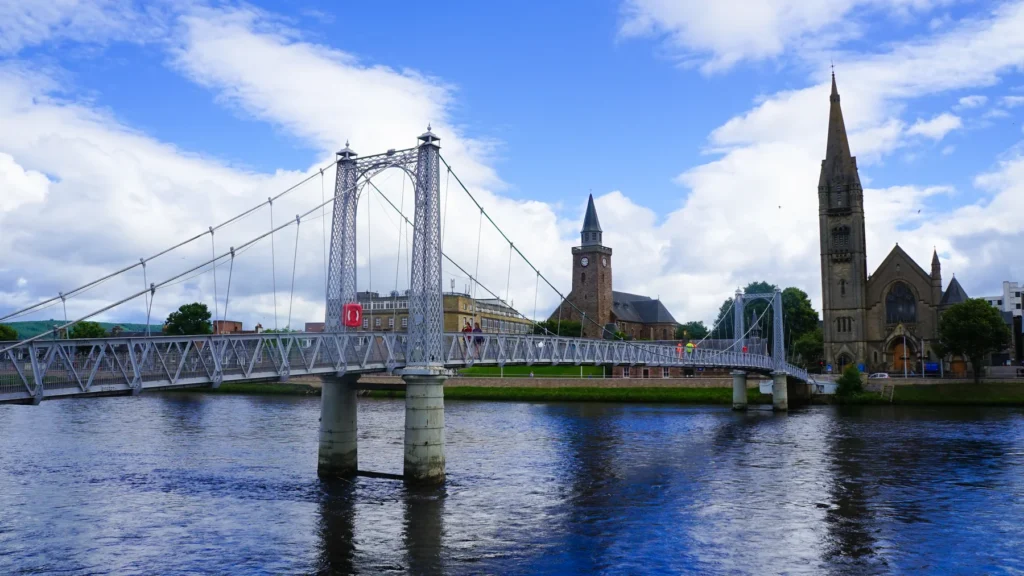
Inverness beside the River Ness, an eastern Highland base.

Travelers deciding between historical depth and landscape time

Choose an eastern or western anchor

Inverness makes an eastern chapter around Culloden and Loch Ness easier to organize. Lochaber brings Glencoe and the canal into a western chapter; Wester Ross puts a different stretch of coast at the centre. Select the anchor that contains your two most important experiences, then compare accommodation addresses within it. Image: Inverness beside the River Ness.

Worth knowing

An Inverness address is not a convenient daily base for every western highlight. Choose a second area deliberately rather than adding long out-and-back excursions.
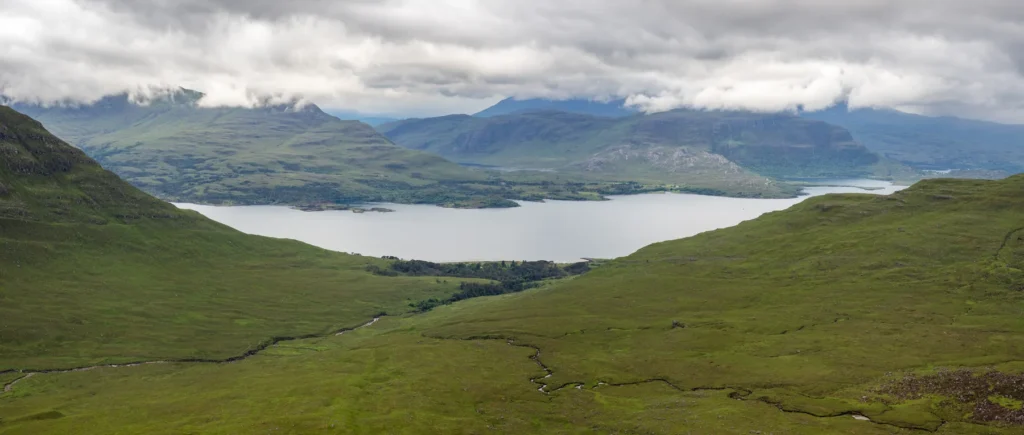
Upper Loch Torridon seen from the Beinn Alligin summit trail.

Couples and families who want time in a room as well as on the road

Make each move earn its place

Give one area at least several nights before moving. For six to eight nights, two bases usually provide enough contrast without constant packing. Treat the transfer as its own day with a modest stop, a meal and an unrushed arrival. Keep the route connected to what you actually want to do. Image: Upper Loch Torridon from the Beinn Alligin trail.

Worth knowing

Two bases reveal less of the map than a nightly circuit. In exchange, you gain the option to repeat a walk, change plans with the weather and enjoy the accommodation.

Mixed-ability parties and travelers drawn to scenery

Separate mountain ambition from a landscape holiday

Glencoe can be appreciated through interpretation, viewpoints and a suitable low-level walk. A summit is a different undertaking, requiring an appropriate route, equipment, ability and current mountain forecast. Agree the effort level in advance so that one companion’s ambition does not become the whole group’s obligation.

Worth knowing

Low-level does not automatically mean accessible or weatherproof. Confirm surfaces and an indoor alternative; book qualified guiding where the chosen activity needs it.

Travelers who value reliability more than collecting stops

Protect daylight and an uncommitted day

Use the season to set the daily radius. Keep at least one day without a fixed outdoor reservation and avoid a remote final excursion before a flight. A driver-led journey may reduce personal effort, while a self-drive stay offers independence if rural roads and changing conditions feel comfortable.

Worth knowing

A flexible day is useful only if the other days are not full. Some desired openings and services remain date-dependent, so confirm them before arranging the sequence.

A considered introduction

Start with the shape of the journey: an Inverness stay for eastern history and Loch Ness, a Lochaber stay for Glencoe and the Caledonian Canal, or a Wester Ross stay for sea lochs and garden time. Each serves a different rhythm. An exceptional room loses its value if every morning begins with a long return drive to somewhere else.

For a first mainland visit, allow six to eight nights and choose two of those areas. With only four nights, choose one. The five experiences below form a menu across the region, not a checklist to complete from a single address. Keep a day flexible so that a clear spell can become a landscape day and rain can become time with an interpreter or a slower meal.

This guide covers Inverness, the Great Glen, Lochaber and Wester Ross. Skye and Perthshire have their own journeys; the full North Coast 500 is a different road commitment. Here, the measure of a successful stay is how much of a place you noticed after leaving the car.

Advisor note

I would decide whether history or western scenery matters more, then reserve the accommodation around that answer. Put one genuine rest interval between ambitious outings. A driver can remove driving effort, but the route still consumes the same hours.

What stays with you

Signature experiences

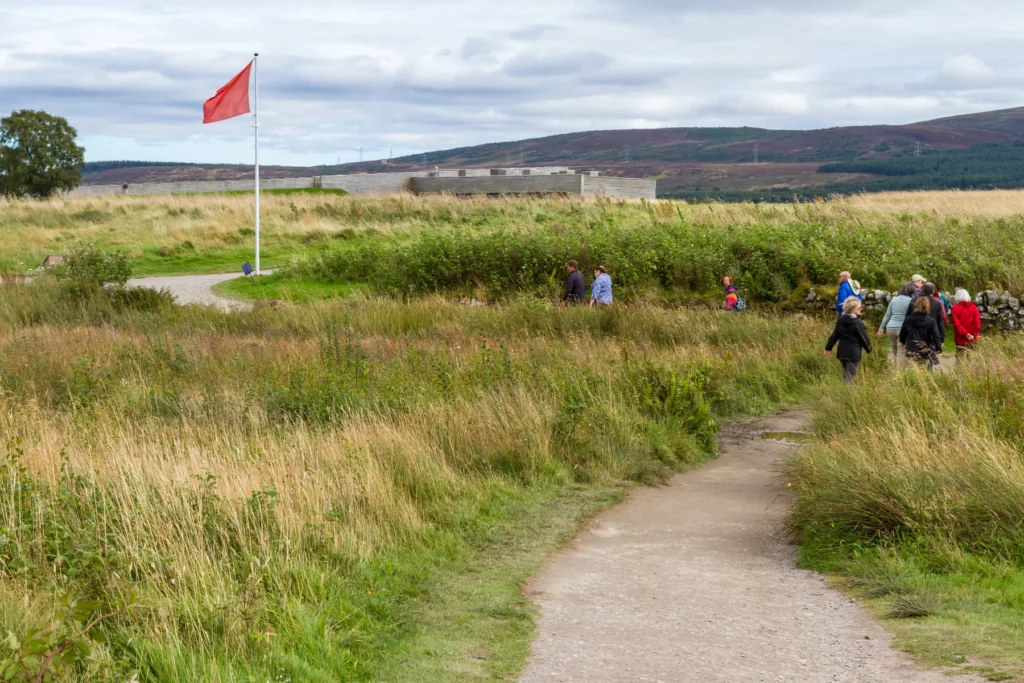
Visitors on a path at Culloden Battlefield.

History and interpretation

Begin at Culloden with the people behind the conflict

Allow a thoughtful half day for the visitor centre and a battlefield visit suited to the weather. The interpretation presents the Jacobite and government sides of the 1746 battle; use it before reducing the place to clan names or a familiar screen story. Walk quietly and leave time afterwards for conversation. Confirm current access and any guided format you want before travel.

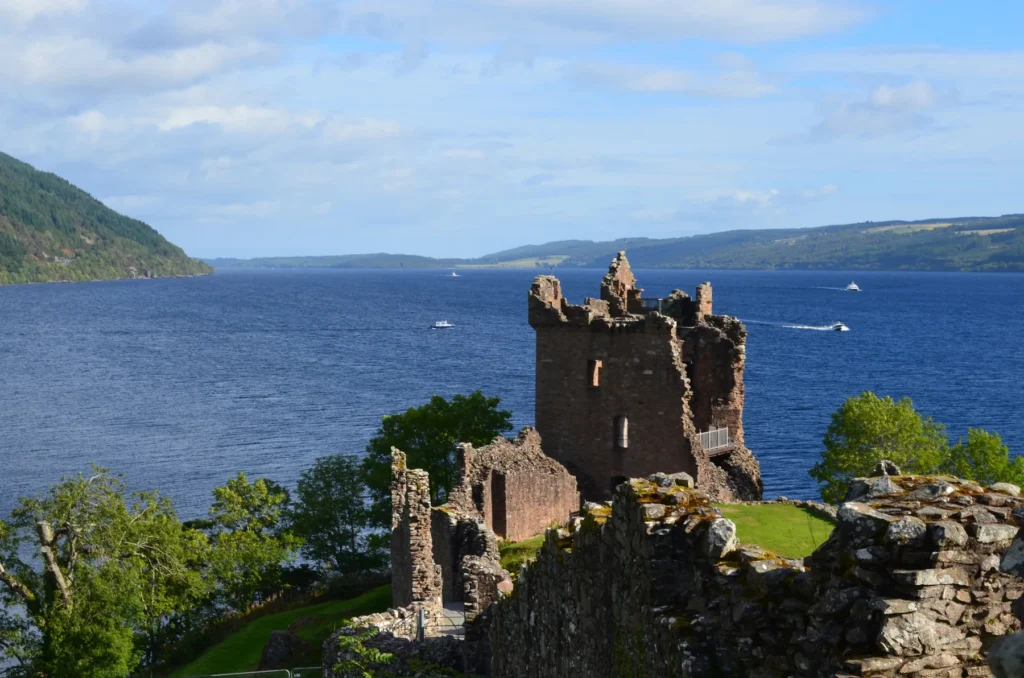
Urquhart Castle ruins beside Loch Ness.

Castle and loch

Give Loch Ness a historical focal point

Choose Urquhart Castle as a focused stop rather than making the whole day a circuit of photo pull-offs. Consult Historic Environment Scotland’s current booking and access instructions, then pair the visit with an unhurried pause by the loch. Treat additional boat travel as an optional, separately confirmed arrangement. The proposed half day is a planning allowance, not an admission or cruise promise.

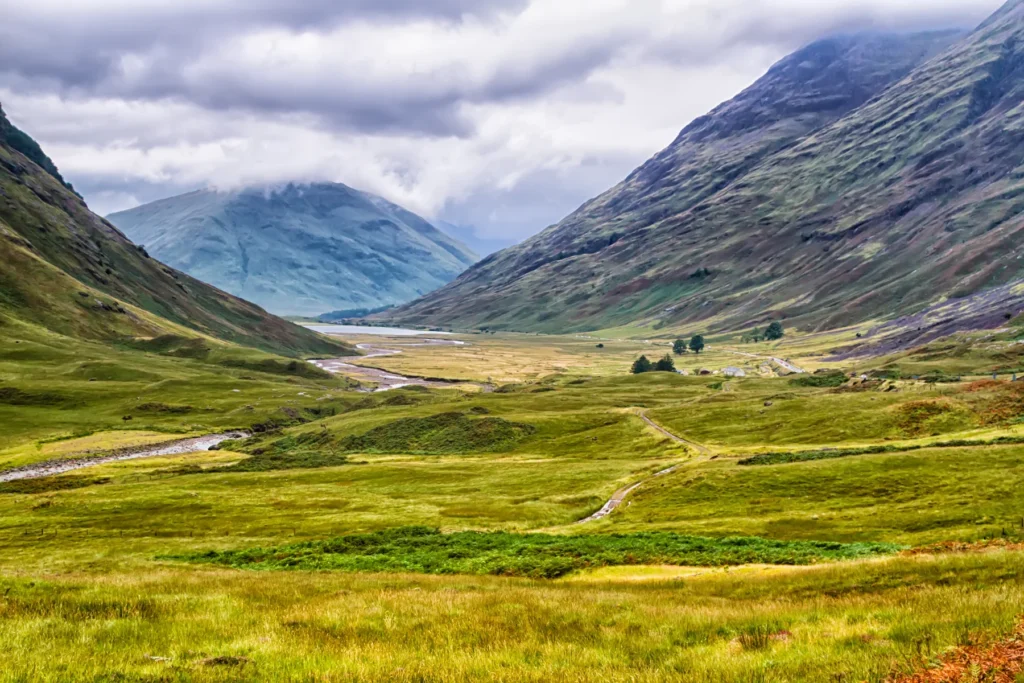
Mountains and the pass at Glencoe, Lochaber.

Landscape and lived history

Read Glencoe before walking into it

Begin at the National Trust for Scotland visitor centre, including the reconstructed turf and creel house when open, before choosing an appropriate short walk or viewpoint. The landscape also holds the history of the 1692 massacre; keep that history distinct from scenic admiration. Allow a half day and choose the walking element using current conditions, ability and local advice, not an image of a summit.

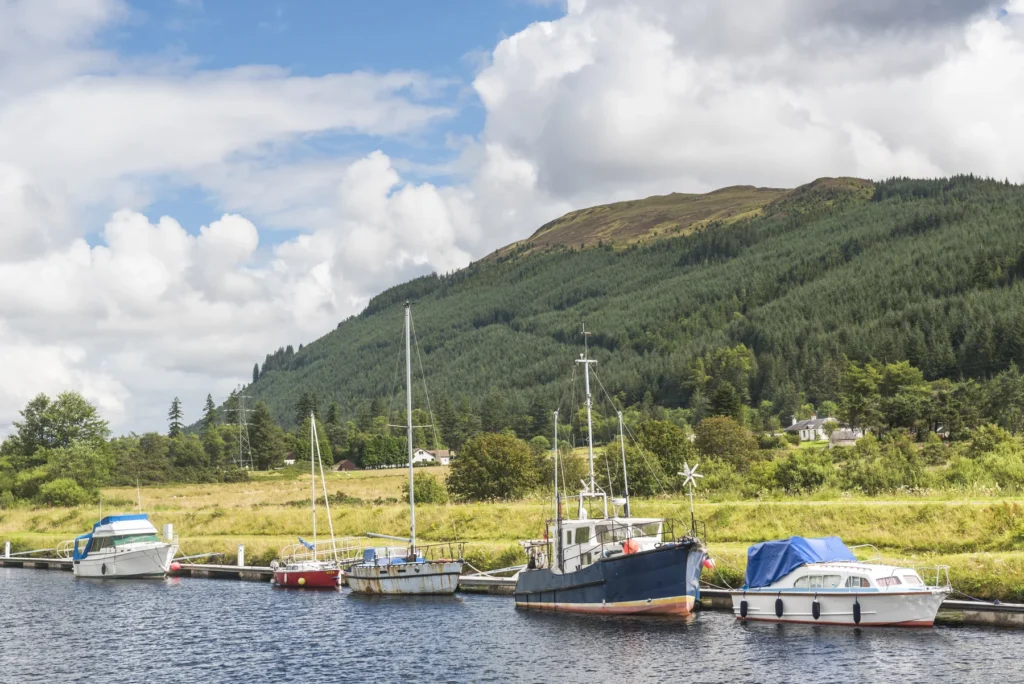
Caledonian Canal near Fort William; regional context for the canal visit.

Engineering and observation

Slow down at Neptune's Staircase

At Banavie, the Caledonian Canal’s eight-lock flight offers a change of scale from mountain views. Allow an hour at public visitor areas and add a short towpath interval if access and conditions suit. Boat movements depend on operations. Keep clear of working infrastructure and supervise children beside the water. Image: regional canal context, not a verified view of Neptune's Staircase.

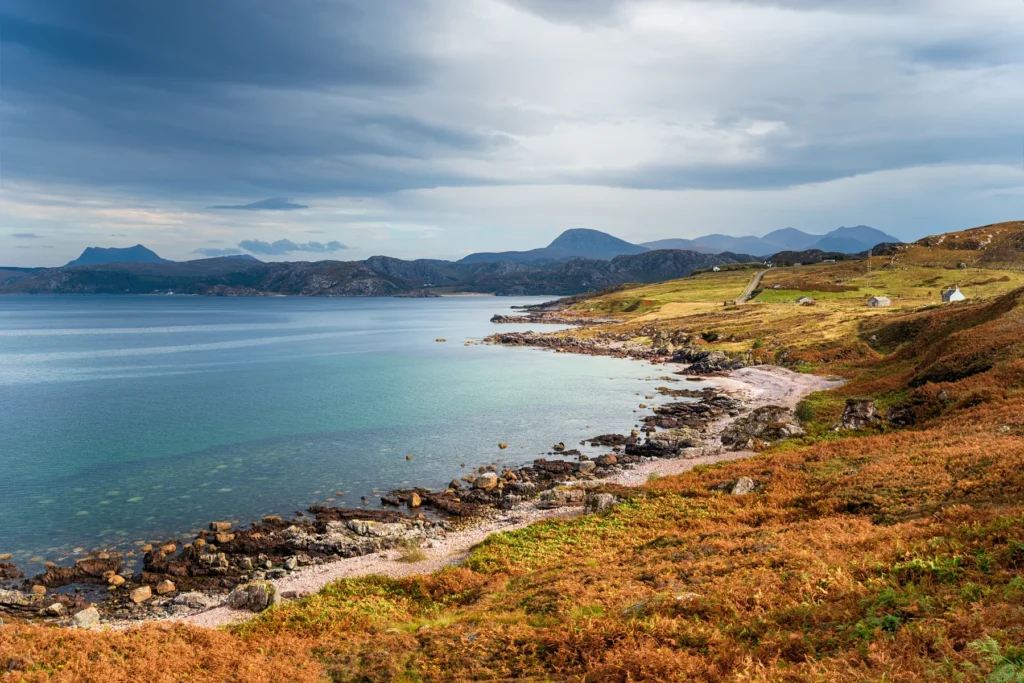
The beach at First Coast, Wester Ross; regional coastal context for an Inverewe visit.

Garden and west-coast setting

Let Inverewe change the pace

Give the lochside heritage garden a generous half day when staying in Wester Ross. Its collection includes plants from across the globe, so this is a cultivated landscape rather than a picture of untouched Highland ecology. Check the garden, house and gallery arrangements for your dates and select a route suited to mobility and weather. Finish with time to sit rather than another distant attraction. Image: First Coast beach, not Inverewe garden.

Travel restored

What makes Scottish Highlands a wellness destination?

Leave enough room to notice a loch, a garden or the changing light without another appointment waiting. Gentle outdoor time is a leisure choice here, with the route adjusted to conditions and personal ability.

Wellness role
A meaningful restorative layer
Best for
Travelers who want a quieter pace between cultural and landscape days
Format
Short waterside intervals, garden pauses and a day with fewer commitments
Ideal commitment
Protect a thirty-minute pause each day and keep one outing optional
Intensity
Gentle

For companions

Agree a shared meeting place so companions can choose different walking lengths without separating the whole day.

Seasonal lens

Use daylight and current conditions to decide whether the pause belongs outside or indoors.

Make observation part of the day

An interval beside the water

Choose a suitable public lochside or canal-side place near the base and spend time sitting or walking a short distance. Let the route end where it began, with no obligation to cover ground. Keep the pause close enough that it does not require a separate driving excursion.

Duration
Twenty to forty minutes
Intensity
Gentle
Best for
Companions with different walking appetites
Consider

Check surfaces, wind and safe access. This is not a recommendation to enter cold water.

These are ordinary leisure practices, not medical treatment or a promised health outcome.

Timing the journey

When to go

Choose late spring through early autumn for a broader outdoor window, with waterproof layers in every month. Autumn brings a shorter working day; winter suits a deliberately smaller plan with confirmed openings. No season guarantees clear summits.

Mar · Apr · May

Conditional

Spring with a flexible outdoor plan

Weather
Bring layers and expect changing conditions.
Crowds
Confirm holiday demand and seasonal openings.
Best for
Choose a short outdoor anchor and a cultural alternative.

Jun · Jul · Aug

Conditional

Longer daylight, fewer daily commitments

Weather
Long days do not remove rain or wind.
Crowds
Reserve the addresses and visits that matter early.
Best for
Use extra daylight for a slower return rather than more driving.

Sep · Oct · Nov

Conditional

Autumn within a smaller radius

Weather
Daylight contracts and conditions can change quickly.
Crowds
Check the actual opening calendar.
Best for
Keep transfers early and allow time indoors.

Dec · Jan · Feb

Conditional

Winter as a deliberately limited stay

Weather
Short daylight and winter conditions constrain outdoor plans.
Crowds
Confirm accommodation and visitor services individually.
Best for
Use one base and a compact, weather-dependent itinerary.

Seasonal suggestions are planning preferences. Recheck openings, roads and the relevant mountain forecast for the dates of travel.

Value, clearly framed

Understanding trip value

Request an itemized proposal covering accommodation, transport, guiding, admissions and meals. A remote room and a longer daily driving radius can change the total more than the number of attractions.

What shapes the guidance

Six to eight nights for two travelers, with two mainland bases. No fixed package price or included property benefit is assumed.

Journey logistics

Arrive well

Inverness Airport provides a useful entry to the eastern Highlands. Compare flight connections with the actual first-night address before booking. The airport railway station is separate from the terminal, so confirm the walking or onward connection and luggage practicality. For a remote west-coast base, arrange the final road leg in advance.

Primary gateway Inverness Airport (INV) for an eastern start; compare the complete onward journey for a west-first itinerary

Premium commercial air

Begin near Inverness

Your confirmed departure airportInverness Airport (INV)

Scheduled flight with confirmed onward ground transfer

Check the full connection and arrival hour; do not assume a terminal-adjacent railway platform.

Final transfer

Continue to the chosen mainland base

Confirmed airport or railway arrival pointThe booked Highland accommodation

Prearranged road transfer or suitable rental vehicle

Allow for road conditions, stops and daylight. Confirm luggage capacity, vehicle access and the accommodation arrival arrangement.

Access and mobility

Ask about the exact path, gradient, steps, seating and toilet provision at each stop. A low-level visit can still involve rough or wet surfaces. Separate a visitor-centre visit from battlefield or garden walking when needed, and agree a shorter alternative before the day begins.

Before you go

Practical planning notes

Reservations

Use passing places properly

On single-track roads, passing places serve traffic flow, not sightseeing parking. Review the official driving guidance and choose designated stopping areas.

Reservations

Confirm a mountain day separately

Consult the relevant MWIS forecast and suitable local guidance. A valley forecast or a clear arrival morning does not establish conditions on a high route.

Reservations

Keep interpretation specific

Culloden concerns the 1746 Jacobite battle; Glencoe’s massacre took place in 1692. Avoid treating Highland communities or clan histories as interchangeable.

Reservations

Reserve the day that matters

Check current access, booking and cancellation conditions directly. Request guiding and dietary or mobility arrangements early, with every service subject to confirmation.

The VH Luxe approach

How VH Luxe composes the journey

  1. Arrive near the first priority

    Settle into the eastern or western base and keep the first afternoon local.

  2. Give the area two full days

    Choose one major experience per day and keep a weather alternative within the same area.

  3. Move once, with room to stop

    Use a transfer day to connect the second base. Do not add a demanding walk to a long road leg.

  4. Use the flexible day well

    Return to a favorite place or take the clearer weather window. Stay near the departure route on the final night when needed.

Paramjit Harika, VTA, CTA

Advisor-led planning

Your journey, personally considered

Paramjit Harika

Founder & Luxury Travel Advisor

I coordinate your hotel and room, premium air, transfers and key experiences as one considered journey, with one point of contact from planning through travel.

Good to know

Frequently asked questions

How many nights suit a mainland Highlands trip?

Allow six to eight nights for two bases and a flexible day. With four nights, select one area. These are editorial planning suggestions, not minimum booking requirements.

Is Inverness the best base for every Highlands experience?

It is useful for an eastern chapter, including Culloden and Loch Ness. Lochaber or Wester Ross makes more sense when western scenery is the main priority.

Can this itinerary include Skye?

Skye deserves its own nights and planning. Add it as a separate chapter rather than compressing the mainland guide into long day trips.

Do I need to climb a mountain?

No. Interpretation, gardens, low-level viewpoints and canal time can form a substantial journey. Check the physical demands of even short routes before choosing them.

Should I drive or arrange a driver?

Choose self-drive if rural road conditions and left-side driving suit you. A confirmed driver can reduce driving effort, but cannot remove the time needed to travel between bases.

Is winter a good time to visit?

It can suit a short, quiet stay with confirmed services and a smaller radius. Keep outdoor ambitions conditional on daylight, roads and current conditions.