The VH Luxe destination guide

London

Last updated 11 September 2026

Choose the London you want to return to each evening, then let that neighborhood shape the day.

Recommended stay

5–

7 nights

Best time

Choose dates around the exhibition and performance calendar, then compare the daylight you want with your tolerance for busy streets. Spring and autumn suit walking-led plans; summer and the festive period require particular care with demand and reservations.

Primary gateway

London Heathrow (LHR), with onward rail or a prearranged road transfer

Journey context

Five nights supports three cultural days after arrival. Seven allows repeat visits, a lighter interval and evenings without competing early starts.

Curator’s verdict

London rewards proximity more than a longer checklist. A considered base turns paintings, performance, river walks and garden time into a coherent stay, with fewer journeys spent crossing the same city twice.

Choose well

Which London base saves your time?

Choose by the evening return, the cultural cluster and the walking you genuinely enjoy. Prestige alone does not settle the geography.

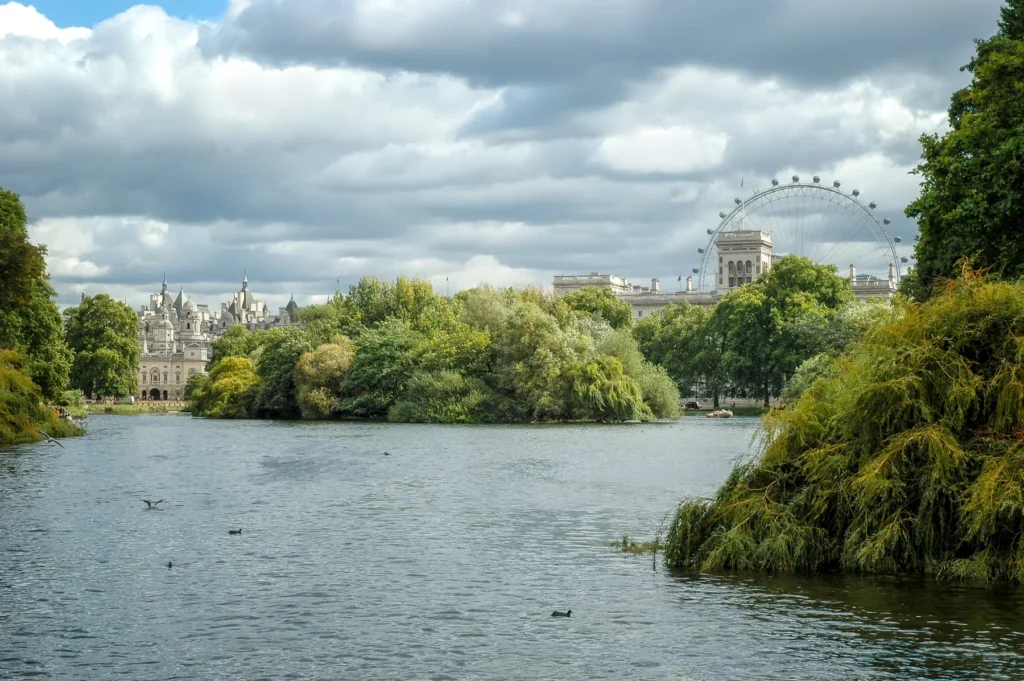
The lake in St James's Park, with the London skyline beyond.

Travelers balancing galleries, parks and West End evenings

Choose Mayfair and St James's for a west-central rhythm

Mayfair places you beside Hyde Park and near the West End's shopping streets; St James's pulls the plan toward ceremonial London. Use the exact address to compare your gallery and theatre routes. The goal is a repeatable local circuit, not a claim that all London lies outside the door.

Worth knowing

Bankside and South Kensington still deserve dedicated journeys. A park-edge address can be farther from the evening venue than its central label suggests.
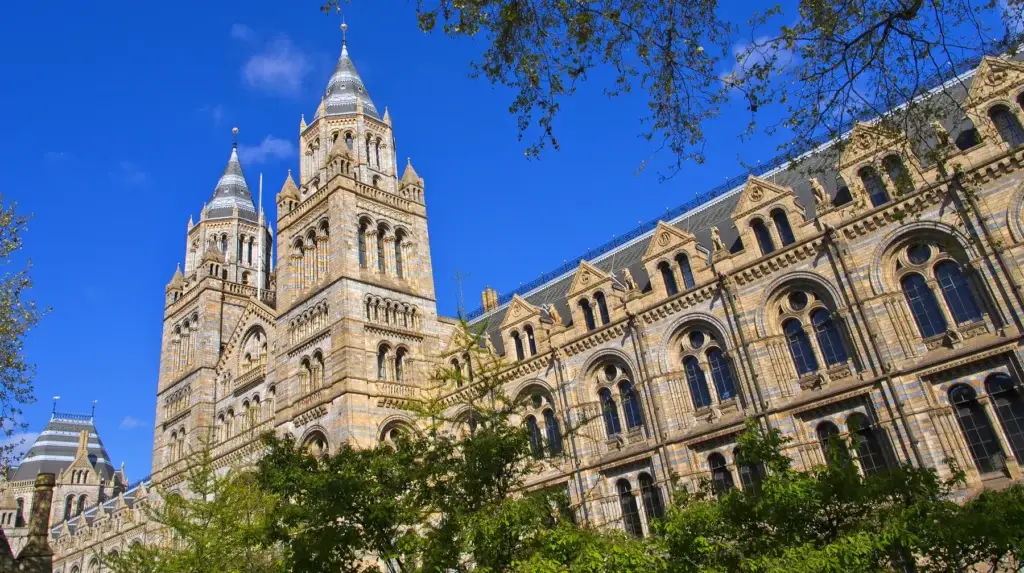
Natural History Museum, London, illustrating the South Kensington museum district.

Families and design-minded travelers who value repeat visits

Choose South Kensington when museums lead

South Kensington groups major museums around a compact cultural district. Make one collection the day's focus and save another for a different morning. A base here works especially well when the option to leave, rest and return matters more than a late-night West End walk.

Worth knowing

Theatre evenings need a planned return. Historic stations and long museum interiors also mean that geographic closeness is not the same as low physical effort.

Opera, ballet and theatre travelers

Choose Covent Garden for the evening you came to see

Let the production determine the date, then compare walking routes from the proposed accommodation. Covent Garden makes a performance-led plan legible, with time to eat before curtain and no unnecessary attraction immediately beforehand. Check the specific seat's view and access rather than buying only by price category.

Worth knowing

Busy streets and evening activity may conflict with a preference for quiet. Ask about room orientation and the actual return route before committing.

First visits and travelers with limited energy or time

Choose one daily cluster instead of crossing repeatedly

Assign Westminster, South Kensington and Bankside their own days. Add a nearby secondary stop only when the main reservation leaves room. Keep a flexible walking interval that can become an indoor pause in rain, and let a favorite place earn a return visit.

Worth knowing

A tighter radius means leaving worthwhile sights for another stay. That is a considered trade, not a gap to fill with a rushed car circuit.

A considered introduction

The useful question is not which London hotel has the grandest address. It is which neighborhood puts your cultural priorities within a manageable daily circuit. Mayfair and St James's suit a West End and park-led stay; Covent Garden suits performance evenings; South Kensington suits museum depth. Bankside becomes compelling when the river and Shakespeare matter more than returning west after every outing.

Give London five to seven nights if the aim is attention rather than collection. Build each day around one substantial reservation, one nearby discovery and a genuine pause. Keep Westminster, South Kensington and Bankside as separate geographic chapters. A driver can ease a specific transfer, but cannot make a scattered itinerary feel local.

This guide stays within central London. Rural estates, Oxford, Bath and the Cotswolds belong to another journey, not an overloaded day trip. The same discipline applies inside the city: choose the exhibition or production that matters, then remove something around it.

Advisor note

I would choose the evening anchor before the room: a performance-led traveler needs a different return journey from someone planning early museum starts. Keep the first afternoon close to the base, and protect the last full day for a second look rather than one more first visit.

What stays with you

Signature experiences

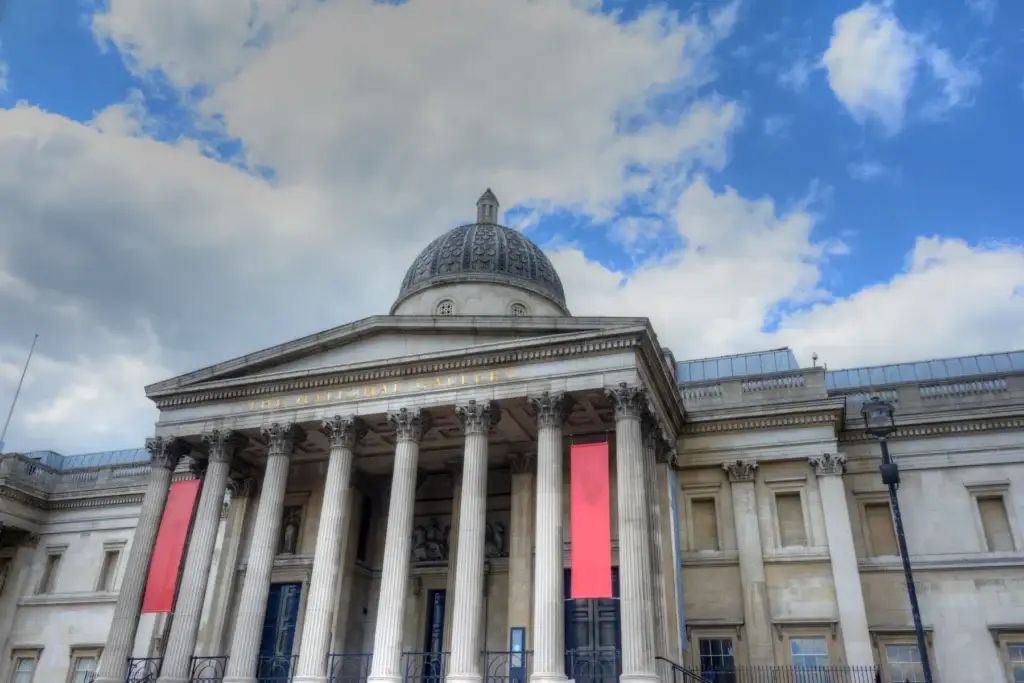
The National Gallery overlooking Trafalgar Square, London.

Art and attention

Give the National Gallery one focused question

Choose a theme such as changing light or the painted face, then spend about ninety minutes following it through selected rooms. The collection visit is free, while some exhibitions require separate tickets. Request a suitably qualified guide if interpretation would deepen the experience, subject to confirmation. Leave Trafalgar Square with three paintings you remember, not a photograph of every room.

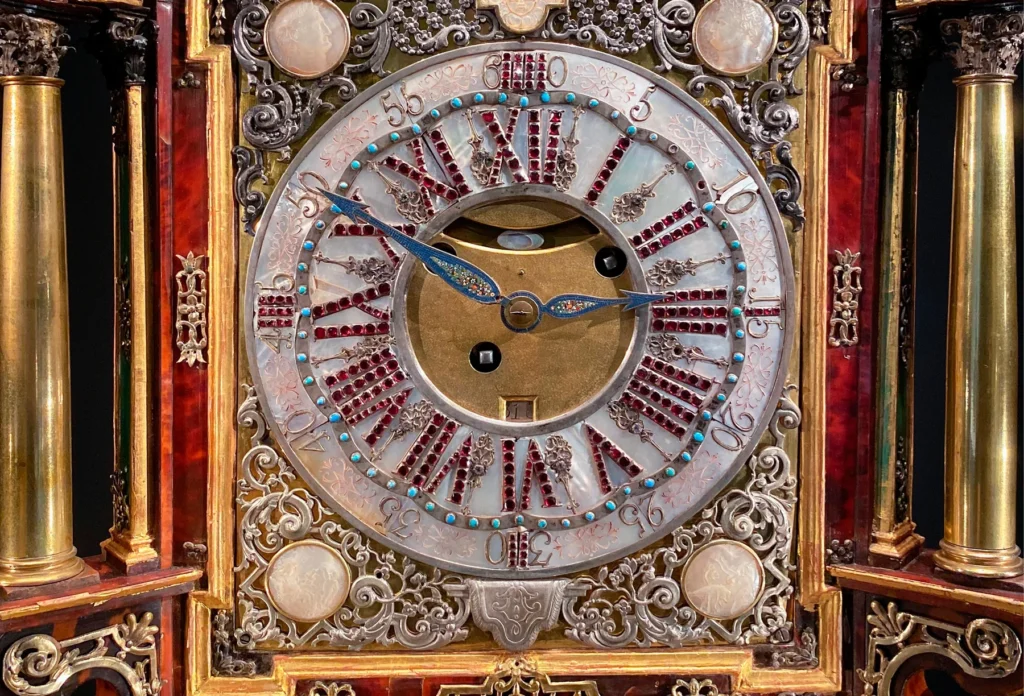
Ornate clock detail photographed at the Victoria and Albert Museum.

Design and material culture

Read design at V&A South Kensington

Choose one material or design question for a two-hour visit: how an object was made, whom it served and what changed when it traveled. Use the current gallery map, since closures can remove a planned subject. General admission is free, with separate charges for some exhibitions. Follow the visit with unbooked time nearby rather than adding a second major museum by habit.

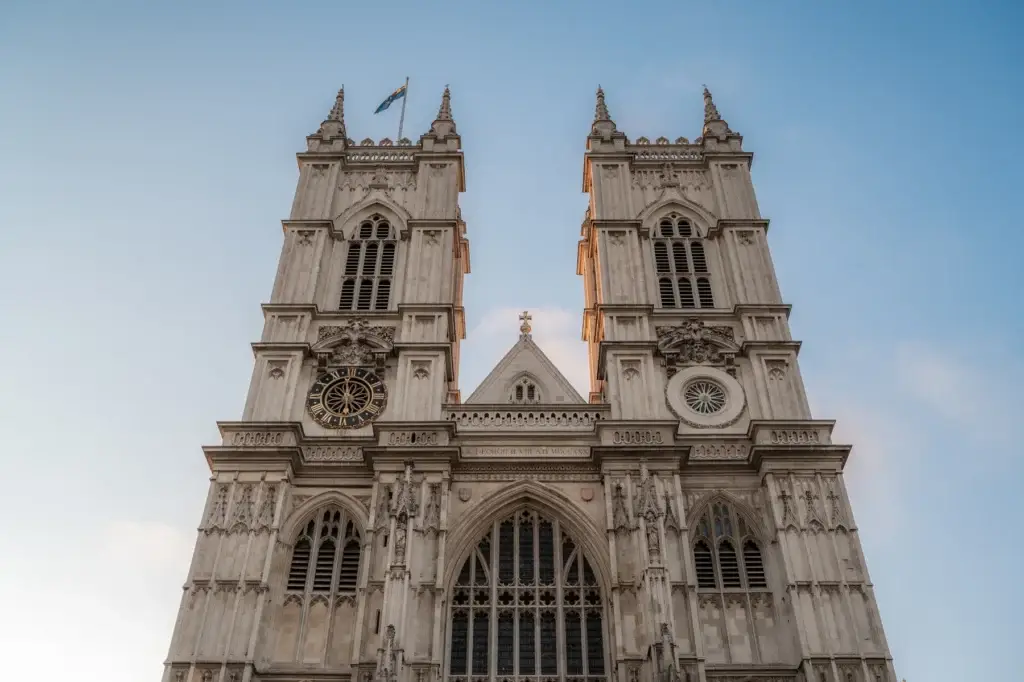
Westminster Abbey exterior, London.

History and belief

Walk Westminster with the Abbey in context

Begin with the public streets around Parliament Square, then use a confirmed Abbey visiting slot to distinguish royal ceremony, national memory and Christian worship. Allow an unhurried half day including pauses, not a succession of timed entrances. The Abbey is a working church and may close for services; tourist visiting is not available on Sundays. A service is worship, not an alternative sightseeing ticket.

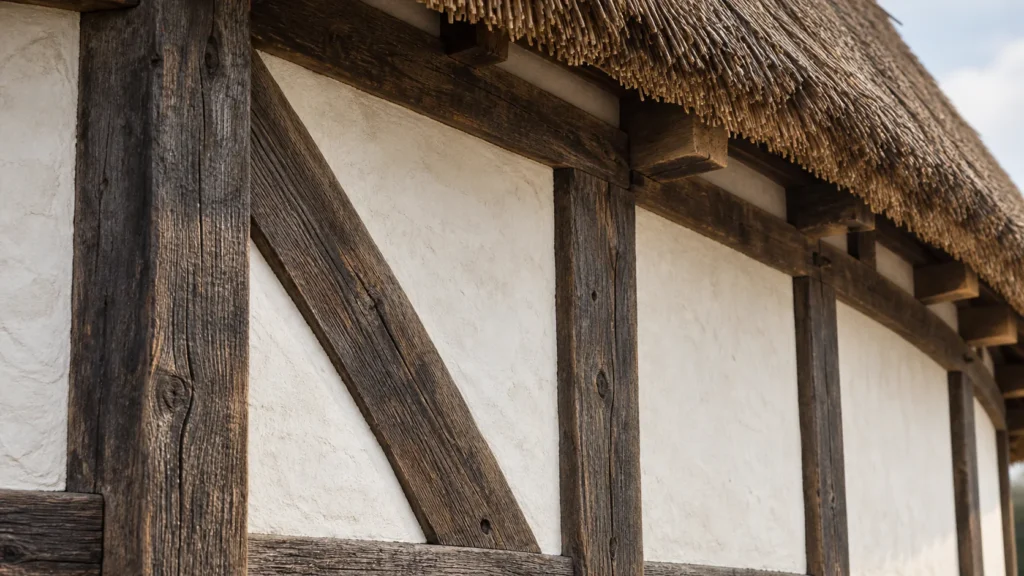
AI illustration of oak framing, lime plaster and a thatched eave inspired by Shakespeare's Globe.

Performance and river geography

Give Bankside a Shakespeare chapter

Approach Shakespeare's Globe along the river, then choose a guided visit or performance for your dates. The reconstructed Globe Theatre is open-air; the institution's Sam Wanamaker Playhouse is indoors. Plan clothing and seating for the venue, and leave the afternoon light. Image: AI-generated editorial visualization of architectural materials inspired by Shakespeare's Globe, not a documentary photograph.

AI illustration of bread, cheese and pear slices on a market counter.

Food and neighborhood

Meet Borough Market through a few considered tastes

Choose a trading day and allow ninety minutes to browse and buy a few tastes. Ask traders about ingredients and provenance; do not assume all food is British-made. Discuss allergies directly, keep groups small and stalls clear. Pair with Bankside, leaving lunch its own interval. Image: AI-generated editorial visualization of market food inspired by Borough Market, not a documentary photograph.

Travel restored

What makes London a wellness destination?

London's wellness value lies in making a dense cultural city feel human in scale. Royal Park walks, slow looking, a deliberate tea pause and a walkable evening can create room for attention without treating leisure as medicine.

Wellness role
A meaningful restorative layer
Best for
Culturally curious travelers who want less rushing, sustainable walking and restorative gaps
Format
Short park walks, focused museum looking, an unhurried tea interval and an early-return option
Ideal commitment
Protect a daily thirty- to sixty-minute pause and avoid consecutive high-effort cultural sessions
Intensity
Gentle

For companions

Companions can choose different museum depths and reunite for a walk or meal, without making the whole group sustain the same pace.

Seasonal lens

Adapt outdoor intervals to daylight, weather and park gates. Indoor looking and quiet breaks work across seasons.

Make room for low-pressure movement

The Royal Park interval

Royal Parks are public landscapes, not private wellness grounds. Spend thirty to forty-five minutes walking and sitting in Kensington Gardens or St James's Park, choosing a short route with a clear exit. Keep this an ordinary leisure walk, not an assumed permitted fitness session.

Duration
Thirty to forty-five minutes
Intensity
Gentle
Best for
Travelers between seated cultural visits
Consider

Check gates, temporary closures, weather and the route's surfaces. Do not feed wildlife.

Replace collection fatigue with sustained attention

Slow looking

Slow looking means staying with one work before moving on. At the National Gallery, select a painting, spend several quiet minutes noticing it, then exchange observations with a companion. A guide may be requested for context, subject to availability; the pause itself needs no special access.

Duration
Forty-five to sixty minutes
Intensity
Gentle
Best for
Art lovers and travelers overwhelmed by large collections
Consider

Use current room information, respect other visitors and follow photography rules.

Separate the day's chapters

The tea interval

An afternoon tea pause is simply time set aside for tea and conversation, not a health intervention. Reserve a suitable setting only after checking dietary needs and the day's appetite; a simpler cup can serve the same purpose. Put phones away for part of the interval.

Duration
Thirty to sixty minutes
Intensity
Gentle
Best for
Couples and mixed-interest companions
Consider

A formal tea service may be substantial. Confirm ingredients and avoid presenting caffeine or indulgence as a sleep strategy.

Keep one habit beyond the journey

Bring the smaller radius home

Before the final evening, notice which day felt least fragmented. Was it the nearby meal, one museum rather than three, or a walk without another deadline? Carry home one decision rule: group commitments geographically and leave a real interval between them.

Duration
Twenty minutes of reflection, then a repeatable habit
Intensity
Gentle
Best for
Busy travelers who want a practical takeaway
Consider

This is reflective travel planning, not therapy or a promised change in health.

These are cultural and leisure practices, not medical care. Choose movement and dietary arrangements suited to your needs; no treatment, sleep or longevity outcome is promised.

Timing the journey

When to go

Choose dates around the exhibition and performance calendar, then compare the daylight you want with your tolerance for busy streets. Spring and autumn suit walking-led plans; summer and the festive period require particular care with demand and reservations.

Mar · Apr · May

Best

Spring walking and museum balance

Weather
Bring layers and a rain alternative.
Crowds
Check holidays and exhibition demand.
Best for
Combine short outdoor intervals with one indoor anchor.

Jun · Jul · Aug

Conditional

Longer outdoor evenings

Weather
Plan for warm spells as well as rain.
Crowds
Summer is a popular visiting period.
Best for
Protect shade, breaks and booked evening seats.

Sep · Oct · Nov

Best

Autumn culture-led days

Weather
Shorter days make the order of outdoor stops matter.
Crowds
Review the live cultural calendar before choosing dates.
Best for
Give an exhibition or production the lead.

Dec · Jan · Feb

Conditional

Winter interiors and festive choices

Weather
Cold weather and limited daylight favor compact days.
Crowds
Festive dates differ sharply from quieter winter weeks.
Best for
Check holiday closures before building the schedule.

Seasonal windows are planning preferences, not weather guarantees. Check live opening calendars, closures and transport status.

Value, clearly framed

Understanding trip value

A custom proposal should separate accommodation, air, transfers, tickets, guiding and meals. Room configuration and performance seats can matter more than the number of booked activities.

What shapes the guidance

Five to seven nights for two travelers. No public package price or included benefit is assumed.

Journey logistics

Arrive well

Heathrow's Elizabeth line connects with central London stops including Bond Street, Tottenham Court Road and Farringdon. Compare the complete journey to your address, not just train time. A road transfer is useful for luggage and direct arrival, while traffic makes fixed door-to-door promises unhelpful.

Primary gateway London Heathrow (LHR), with onward rail or a prearranged road transfer

Premium commercial air

Arrive through Heathrow

Your confirmed departure airportLondon Heathrow (LHR)

Scheduled flight, then rail or prearranged transfer

Confirm the terminal, passport requirements and onward route before selecting flight timing.

Final transfer

Match rail to the last mile

Heathrow AirportThe confirmed central London address

Elizabeth line plus a planned last-mile connection

Check service changes, luggage practicality and the exact station exit; the nearest station is not always the simplest accessible route.

Final transfer

Use a direct road arrival when it helps

Confirmed London arrival terminalThe booked accommodation entrance

Prearranged licensed ground transfer

Confirm vehicle accessibility, luggage capacity and meeting instructions; road congestion changes duration.

Access and mobility

Plan the whole route: station lift status, platform-to-train boarding, pavement surfaces, the actual museum entrance and the return after a performance. TfL distinguishes street-to-platform access from level boarding. Ask venues about seating, quiet spaces and accessible toilets; do not infer access from a nearby station name.

Before you go

Practical planning notes

Reservations

Check your entry permission

Use GOV.UK to determine the ETA or visa required for your passport and circumstances before travel.

Reservations

Reserve the immovable anchor

Book the chosen production or exhibition first, then place flexible walking around it.

Etiquette

Keep valuables close

Busy transport and market settings call for ordinary city awareness and securely carried belongings.

Mobility

Ask about the complete accessible route

Confirm entrances, seating and toilets as well as the transport journey.

The VH Luxe approach

How VH Luxe composes the journey

  1. Arrive into your own neighborhood

    Settle in, take a short orientation walk and keep dinner nearby.

  2. Start with the most important reservation

    Give the chosen collection or performance the freshest part of the day.

  3. Separate west and riverside chapters

    Keep South Kensington and Bankside on different days unless the specific plan justifies the transfer.

  4. Return once before leaving

    Use the final full day for a favorite gallery, path or neighborhood rather than another distant obligation.

Paramjit Harika, VTA, CTA

Advisor-led planning

Your journey, personally considered

Paramjit Harika

Founder & Luxury Travel Advisor

I coordinate your hotel and room, premium air, transfers and key experiences as one considered journey, with one point of contact from planning through travel.

Good to know

Frequently asked questions

Where should I stay in London for a first visit?

Choose Mayfair or St James's for a west-central balance, South Kensington for museums, or Covent Garden for performance evenings. Compare the exact address with your two most important reservations.

How many nights should I allow?

Five to seven nights allows a lighter arrival and several distinct cultural days. A shorter stay works best when you narrow the geographic scope.

Do free museums need planning?

Yes. Free admission does not remove queues, gallery closures or separate exhibition tickets. Check the current visit page and choose the rooms that matter.

Is a car necessary in central London?

Not for every journey. Compare walking, public transport and a prearranged transfer by the complete route, accessibility needs and luggage. Traffic can erase the apparent convenience of a short drive.

Can I combine London with countryside day trips?

You can, but this guide deliberately keeps central London intact. Add a separate regional chapter when the countryside is a priority instead of sacrificing every unhurried city day.

What makes this a wellness-minded London stay?

A manageable radius, park intervals and focused cultural visits reduce itinerary pressure. The practical takeaway is to give fewer commitments more attention, without claiming medical benefits.