The VH Luxe destination guide

Image: River and stone buildings at Castle Combe in the Cotswolds.

Cotswolds

Last updated 11 September 2026

Choose one countryside base, then let walks, gardens and market-town evenings set the pace.

Recommended stay

4–

6 nights

Best time

Late spring through early autumn offers a useful starting point for garden-and-walking plans. Choose dates around specific garden opening calendars; rain, heat, foliage and flowering are never guaranteed.

Primary gateway

Moreton-in-Marsh for northern plans; Kemble for Cirencester and selected southern plans

Journey context

Four nights supports one base with two principal outings and a flexible day. Six permits a second base when it reduces repeated driving.

Curator’s verdict

The Cotswolds works best when you stop treating it as a village checklist. Choose a northern or southern base around the days you actually want, then protect time outside the car.

Choose well

Which Cotswolds base gives you the days you want?

Decide between northern walks and gardens or a southern town-and-trees rhythm, then settle transport and daily distance.

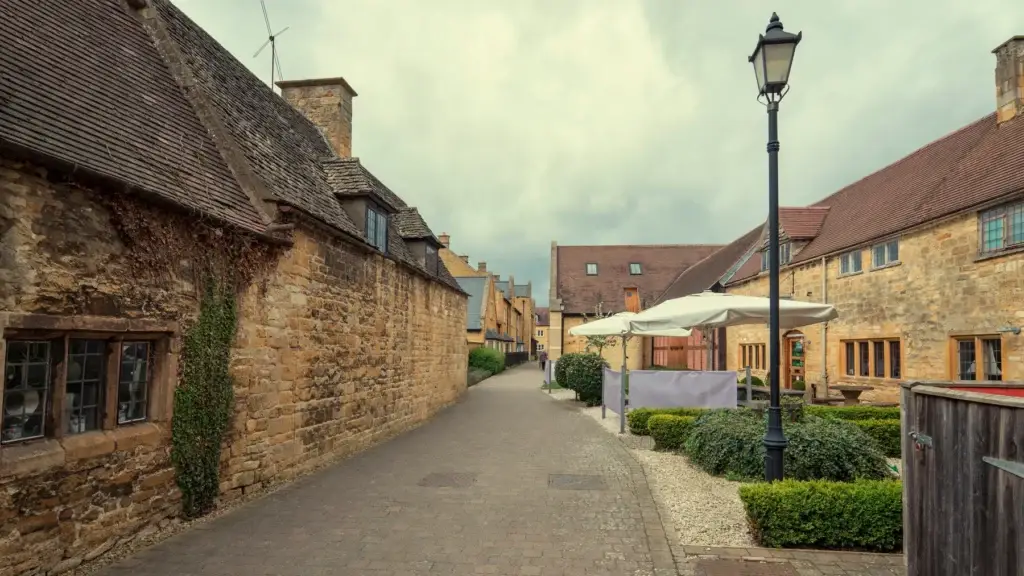
A stone-lined lane in Broadway, in the northern Cotswolds.

First visits centered on Chipping Campden, Broadway and Hidcote

Choose the north for walks and garden days

Choose Chipping Campden or Broadway when walking to dinner matters; check the pavement route, not just distance. Compare a street-facing room with a rear position, asking about deliveries and ventilation. A rural address may feel more secluded but needs booked vehicles for gardens and evening returns. Confirm parking and luggage unloading before choosing the room.

Worth knowing

Northern location does not put the southern arboretum and towns next door. Leave them for a separate day or another stay.

An acer at Westonbirt Arboretum, near Tetbury.

Garden lovers, shoppers and travelers who prefer fewer village circuits

Choose the south for Tetbury and tree time

Tetbury pairs with Westonbirt; Cirencester may better suit town services and the Kemble rail approach. Map your two main outings from the actual front door. Check whether dinner is walkable, where the car stays and whether the bedroom faces traffic or a courtyard. A regional address can sound central while still requiring a vehicle for every meal.

Worth knowing

A southern base means extra road time for Hidcote and Broadway. Do not book opposite ends of the region on consecutive mornings.

Couples, celebratory stays and anyone who wants an unhurried evening

Make dinner transport part of the booking

Map the walk home or book both transfers. Check lighting and slopes if returning after dark; distance alone is not enough. Confirm kitchen seating and dietary needs before a late arrival. For a rural stay, compare a set pickup with keeping the vehicle for the evening, including price and cancellation terms, so dinner does not end with a transport negotiation.

Worth knowing

A remote address can be peaceful but removes spontaneity. A town address may bring traffic, delivery noise or limited parking.

Mixed abilities and travelers combining culture with outdoor time

Choose one walking anchor each day

Compare gradients, surfaces, gates and steps on an official route, then plan around the least mobile guest. Keep a shorter option with a definite pickup point. A companion may prefer town browsing while others walk, provided the return plan is clear. Check space to dry wet footwear at the accommodation and allow a change before dinner.

Worth knowing

The prettiest map line may involve steep sections or mud. A shorter route leaves more time for conversation and a comfortable lunch.

A considered introduction

Honey-colored stone is the first impression. The more useful distinction is between a town where dinner is a walk away and a rural address where every evening needs transport. Chipping Campden and Broadway suit a northern plan built around hill walks and gardens. Tetbury suits a southern chapter with trees, independent shops and a market-town rhythm; Cirencester is another practical southern base. A country-house setting can be rewarding, but seclusion is a location choice, not proof of better service.

Allow four to six nights. With four, stay in one area and choose two substantial outings rather than a daily circuit. With six, a north-and-south split becomes plausible if the added packing genuinely saves road time. Bath, Oxford and London belong before or after the countryside stay, not inside every day's route. This guide covers rural Cotswolds bases and their surrounding landscapes, not a city-break itinerary.

Build each day around one reservation or walk, with a second stop optional. A garden visit followed by a late lunch is enough; another three villages usually adds parking rather than depth. For travelers sharing different energy levels, choose a base with something worthwhile on foot, then arrange a shorter alternative to the main walk. The luxury here is having a good plan without feeling obliged to complete every item on it.

Advisor note

I would choose the dinner plan before the room category. If you want to walk home after an evening out, book within the town itself and check the actual route. If the rural setting matters more, arrange return transport when reserving dinner, not after the meal.

What stays with you

Signature experiences

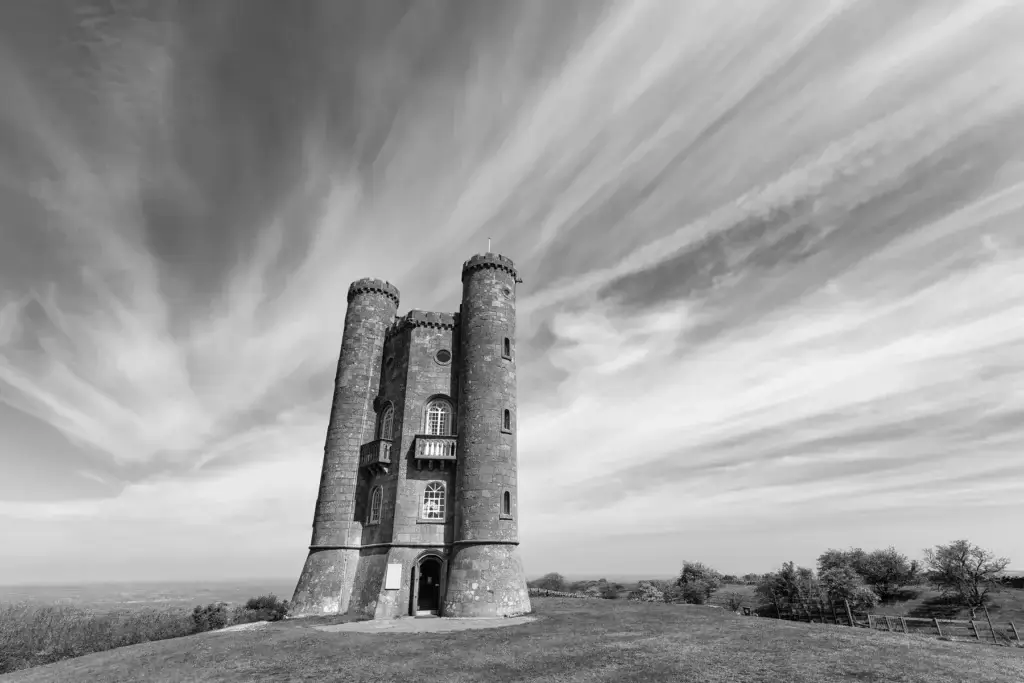
Broadway Tower in a monochrome architectural view.

Walking

Take a measured section of the Cotswold Way

Use the four-mile Broadway circular as a starting point, not a compulsory challenge. The current route is stile-free but includes steep sections, gates and steps, with mud possible after rain. Allow a half-day with pauses; stile-free does not mean wheelchair-suitable. Request an experienced local guide if navigation and interpretation matter. Tower entry is separate, not implied by walking nearby.

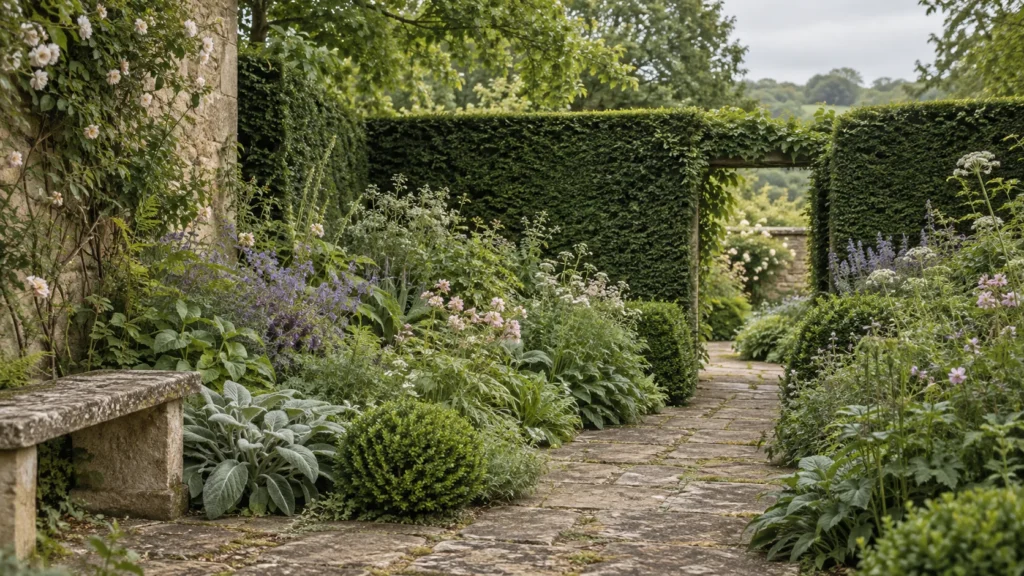
AI illustration of a hedged Arts and Crafts garden room with a stone path and mixed planting.

Gardens

Give Hidcote a generous garden morning

At Hidcote in the northern Cotswolds, explore separate garden rooms without rushing every border. Allow roughly two hours, with time to sit. Check current opening and access information before choosing dates. Guided or private arrangements require confirmation; admission does not imply exclusive use. Image: AI-generated editorial visualization of garden-room design inspired by Hidcote, not a documentary photograph.

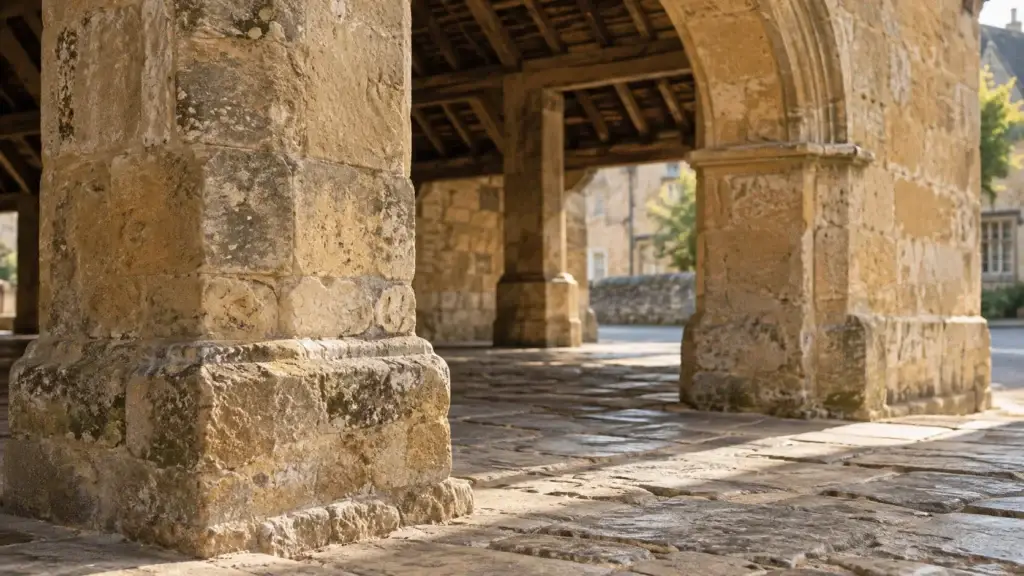
AI illustration of weathered limestone piers, an open arch and a worn stone floor.

Market-town heritage

Read Chipping Campden from its Market Hall

Begin at the historic Market Hall, then walk Chipping Campden's streets, noticing stone, scale and public space. Allow an hour or two and request a knowledgeable local guide for deeper context. Take care on worn cobbles; the historic hall does not promise a trading market. Image: AI-generated editorial visualization of stonework inspired by Chipping Campden Market Hall, not a documentary photograph.

Autumn foliage and fallen leaves at Westonbirt Arboretum.

Trees and attention

Spend an unrushed interval at Westonbirt

Westonbirt, the National Arboretum near Tetbury, gives a southern stay a different scale. Choose a route from the current visitor map and allow two or three hours to notice bark, canopy and the changing season. Check ticket arrangements, closures and mobility equipment before arrival. Autumn color is a reason to consider a date window, not something an itinerary can guarantee.

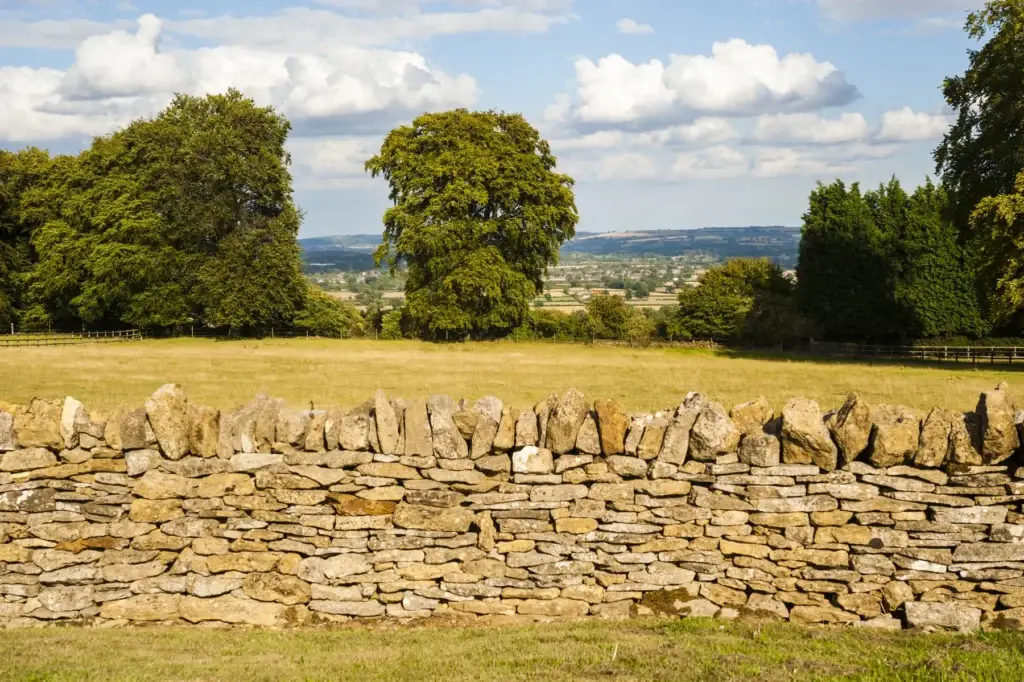
A traditional dry-stone wall at Longborough in the Cotswolds.

Working landscape

Notice the stone walls beyond the village

On a lawful public route, look closely at a dry-stone wall and the countryside it divides. These limestone structures depend on skilled maintenance, while nearby grasslands can carry their own conservation story. Request a landscape-informed guide for a short, unhurried outing and keep interpretation tied to the actual place. Do not climb walls, enter restoration areas or assume that visible fields are open for walking.

Travel restored

What makes Cotswolds a wellness destination?

The Cotswolds offers a credible change of pace through shorter walking days, close attention to gardens and trees, and evenings without another long drive. Its value lies in how you spend your time, not in a regional treatment claim. Build space for these ordinary practices and see which you want to keep at home.

Wellness role
A meaningful restorative layer
Best for
Travelers seeking purposeful outdoor time without an intensive fitness or treatment program
Format
Ability-matched walking, garden observation, tree study and unhurried meal planning
Ideal commitment
One outdoor anchor and one genuinely open interval each day
Intensity
Gentle

For companions

Companions can choose different route lengths and meet for a meal, provided pickup points and mobile coverage have been checked.

Seasonal lens

Shape the route around weather and daylight; gardens and visitor services follow their own calendars.

Practice a pace that leaves attention for the surroundings

Walk the contour, not the checklist

The escarpment is the steep western edge of the Cotswold hills. Ask a local walking guide to select a suitable section with planned pauses rather than targeting a summit. A gentler route can serve the same purpose when gradients do not suit.

Duration
Ninety minutes to three hours, chosen for the group
Intensity
Moderate
Best for
Travelers comfortable with some uneven ground
Consider

Guide availability is unconfirmed. Match surface, weather and distance to ability; this is leisure walking, not therapy.

Notice one place before moving to the next

Use a garden room as an attention exercise

A garden room is an outdoor space shaped by planting or enclosure. At a confirmed open garden, spend ten quiet minutes considering one view, then compare it with the next. Use the garden's own interpretation, or request an available guide without assuming special access.

Duration
An hour to ninety minutes within a garden visit
Intensity
Gentle
Best for
Guests who enjoy design, color and slower observation
Consider

Garden surfaces and seating vary. Stay within visitor areas and do not promise particular flowers.

Replace constant movement with specific observation

Learn the difference between trees

An arboretum is a collection of trees grown for study and enjoyment. At Westonbirt, use labels and visitor interpretation to compare a few trees rather than covering the entire site. A shared observation can be more memorable than another photograph.

Duration
Forty-five to ninety minutes within the visit
Intensity
Gentle
Best for
Mixed-energy companions and curious families
Consider

Use open routes and confirm individual access needs. This is a nature-based leisure suggestion, not a prescribed health intervention.

Keep a practical habit after travel

Carry home the one-anchor day

Use a market-town morning and a reserved lunch to practice leaving the rest of a day undecided. Browse only if shops are open; choose food for enjoyment, not health promises. Before leaving, agree on one weekly interval at home with a single commitment and room around it.

Duration
A morning, then a repeatable weekly interval
Intensity
Gentle
Best for
Busy travelers and couples rebuilding shared time
Consider

Market activity changes by date. The takeaway is a scheduling habit, with no promised medical or psychological result.

These suggestions concern leisure, attention and trip pacing. They are not medical care and make no treatment or longevity claim.

Timing the journey

When to go

Late spring through early autumn offers a useful starting point for garden-and-walking plans. Choose dates around specific garden opening calendars; rain, heat, foliage and flowering are never guaranteed.

Apr · May · Jun

Best

Spring into early summer

Weather
Changeable weather calls for layers and a wet-day alternative.
Crowds
Public holidays and popular garden dates need advance checks.
Best for
A useful planning window for gardens and walking, subject to opening calendars.

Jul · Aug · Sep

Best

Summer and early autumn

Weather
Check the forecast before each outing and adjust exposed walks if heat or rain is expected.
Crowds
Check town parking arrangements and accommodation availability for your exact dates rather than assuming spare capacity.
Best for
Outdoor-led stays with a quieter alternative ready for each major outing.

Oct · Nov · Dec · Jan · Feb · Mar

Conditional

Autumn color or a quieter cold-season stay

Weather
Shorter daylight, wet ground and cold make route choice more important.
Crowds
Foliage dates and holidays need separate checks; quieter does not mean everything is open.
Best for
Tree interest or town-based downtime when the specific venues and routes work.

Season labels are editorial planning guidance, not forecasts. Confirm opening days, daylight, weather and path conditions close to travel.

Value, clearly framed

Understanding trip value

A tailored quote depends on the address, dates, room configuration, guiding and vehicle hours. No fixed package price is stated.

What shapes the guidance

Four to six nights; accommodation, rail or air, transfers, admissions, guide services and dining quoted separately.

Journey logistics

Arrive well

Choose the countryside address before the rail station. Moreton-in-Marsh serves northern itineraries; Kemble is the rail gateway for Cirencester, not a station in its center. Match the train and onward vehicle as one journey, leaving room for luggage and disruption. Compare an airport-to-address transfer against rail connections using the actual flight, group size and arrival time.

Primary gateway Moreton-in-Marsh for northern plans; Kemble for Cirencester and selected southern plans

Rail

Rail with a reserved final transfer

London or another confirmed rail originMoreton-in-Marsh or Kemble, matched to the base

Scheduled train and prearranged licensed vehicle

Check live timetables, engineering works, luggage assistance and the return pickup. Do not assume an available taxi at the station.

Access and mobility

Historic paving, slopes, narrow doorways, field gates and uneven paths make accessibility address-specific. Ask for the bedroom-to-vehicle route, bathroom layout and restaurant entrance, then select a published easy-access walk or garden route to match. A short distance does not establish wheelchair suitability. Reserve any required mobility equipment directly with the attraction and confirm availability.

Before you go

Practical planning notes

Etiquette

Respect a working countryside

Follow marked rights of way and local signs, leave gates as found and keep clear of livestock. Attractive fields and driveways are not automatically visitor routes.

Reservations

Keep a weather substitute

Save an indoor or short-route option near the base. An exposed walk should not determine the entire day when conditions deteriorate.

Mobility

Confirm the actual address

Check parking, luggage access and the walk to dinner. Regional branding can conceal a countryside location well outside the town you intended.

The VH Luxe approach

How VH Luxe composes the journey

  1. Arrive and learn the immediate area

    Settle in, take a short orientation walk and eat nearby. Keep tickets and long drives off the arrival evening.

  2. Put the main outdoor outing first

    Use the best suitable weather for the chosen walk, with a garden or town alternative ready.

  3. Give one day to a different scale

    Trade open hills for garden rooms or trees. Keep the visit in the same part of the region wherever possible.

  4. Leave the final afternoon open

    Return to a favorite place or stay close to the base. Confirm departure transport before the last dinner.

Paramjit Harika, VTA, CTA

Advisor-led planning

Your journey, personally considered

Paramjit Harika

Founder & Luxury Travel Advisor

I coordinate your hotel and room, premium air, transfers and key experiences as one considered journey, with one point of contact from planning through travel.

Good to know

Frequently asked questions

Where should I base myself in the Cotswolds?

Choose Chipping Campden or Broadway for a northern walks-and-gardens plan. Consider Tetbury for Westonbirt and southern town time, or Cirencester for its services and Kemble approach. The exact address matters more than a regional hotel label.

How many nights should I allow?

Four to six is a useful planning range. Use four nights for one base, not a tour of every village. Six may justify a north-and-south split when it reduces repeated driving.

Can I visit without driving?

Yes, with a base chosen around rail and onward transport. Reserve station pickups and any rural evening return in advance. A car-free plan needs live timetable checks and fewer scattered stops, not an assumption that every village has frequent service.

Are the walks easy?

Some are gentle, but hills, mud, gates and uneven ground matter more than mileage. Select a published route for the group's needs and retain a shorter alternative. The Broadway circular is currently rated stile-free, but steep sections and steps still require an individual suitability check.

Should Bath or Oxford be day trips?

They can be separate chapters, but adding either consumes time intended for the countryside. For a short stay, place city nights before or after the Cotswolds rather than making them compulsory day trips.

Do I need to reserve gardens and meals?

Check each garden's current admission rules and opening days, then reserve important meals and associated transport. Do not infer private access from a ticket, or a market trading day from a historic market building.