The VH Luxe destination guide

Paramaribo and the Upper Suriname River

Last updated 16 August 2026

Begin with Paramaribo's layered history; continue upriver after the operator, medical plan and hosts are confirmed.

Recommended stay

6–

8 nights

Best time

Seasonal rain and river conditions change roads, boat operations and comfort. A generally drier window may simplify logistics; mosquito, heat, road-security and medical-planning requirements remain year-round.

Primary gateway

Johan Adolf Pengel International Airport (PBM), with confirmed Paramaribo and Upper River transfers

Journey context

Allow 6 nights for Paramaribo and one confirmed Upper River lodge, or 7 to 8 for weather, road and boat resilience without compressing community time.

Curator’s verdict

Paramaribo establishes the journey through its wooden World Heritage city, colonial history and multicultural society. An Upper River chapter requires an established operator, Saamaka authority, medical planning and an honest account of remote comfort.

Choose well

Should Suriname remain city-led or include the Upper River?

Choose the health, comfort and community threshold before committing to remote travel.

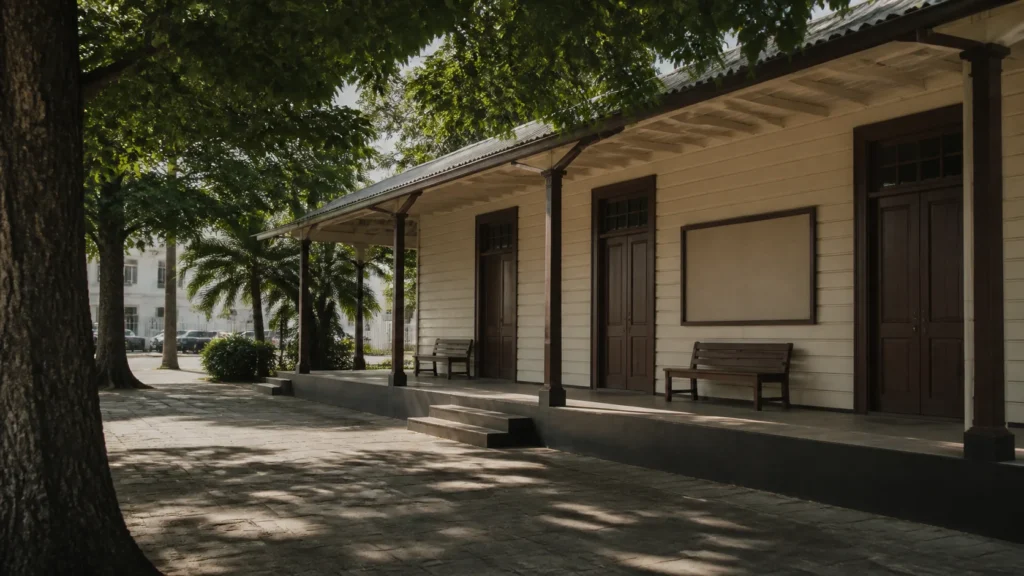
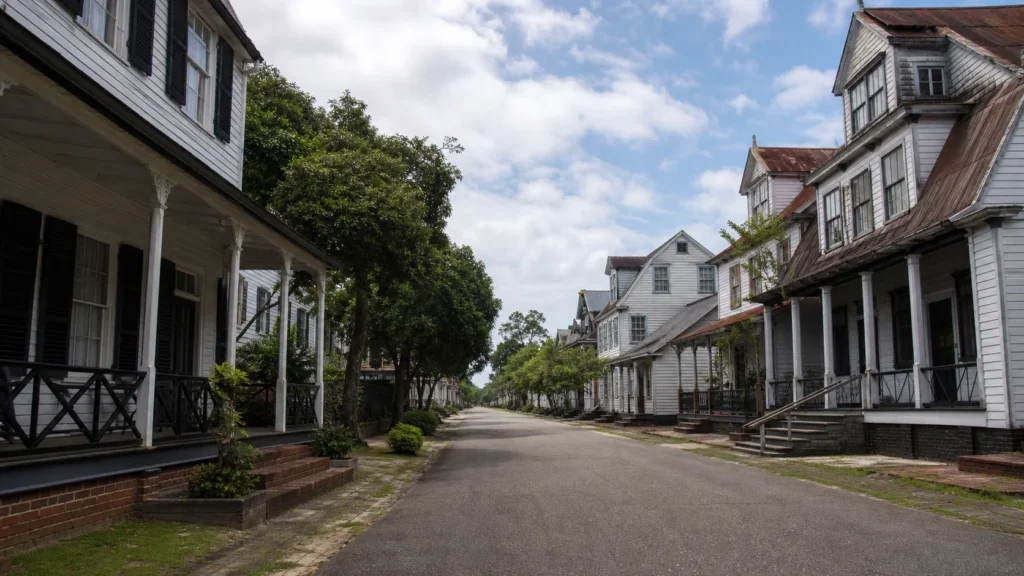
AI-generated editorial visualization of an anonymous historic wooden streetscape in Paramaribo.

Every first visit, architecture travelers and guests who need a full historical frame

Begin with Paramaribo's layered city

A specialist-led city chapter can connect wooden urbanism, colonization, Afro-Surinamese culture and present-day life before any interior extension.

Worth knowing

Heat, uneven sidewalks, public schedules and nighttime security require a planned vehicle and walking route.
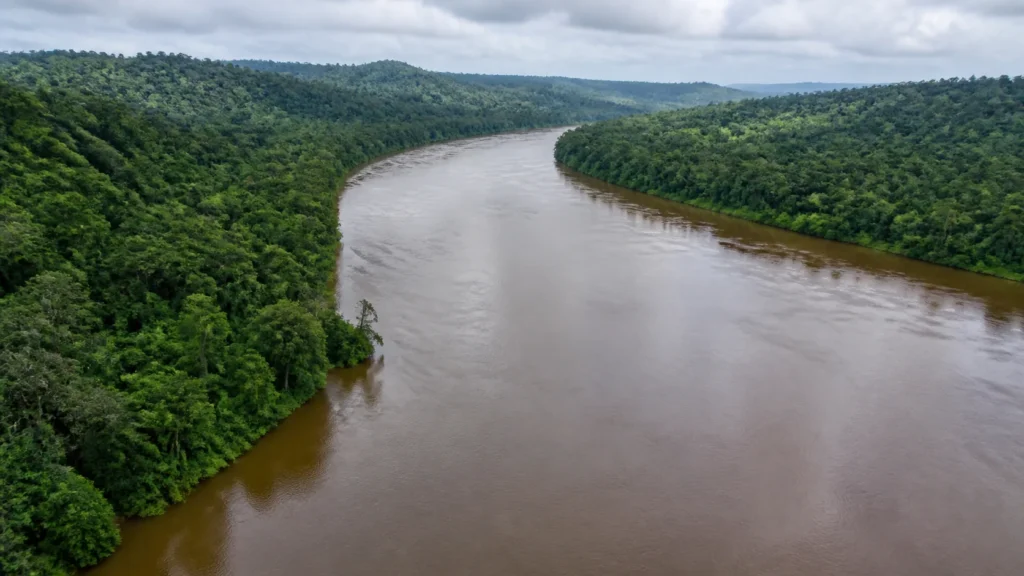
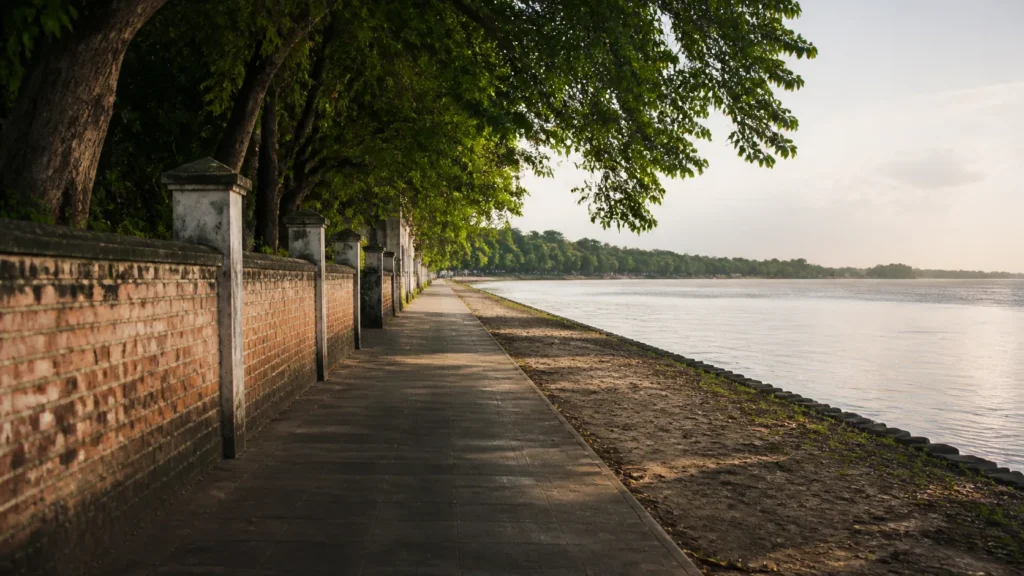
AI-generated editorial visualization of a broad Upper Suriname River journey context.

Experienced travelers who accept long transfers and remote medical limits

Add the Upper River only with a verified chain

A well-established operator can connect daylight road travel, the Atjoni boat transition, a suitable lodge and host-defined community context.

Worth knowing

Medical care and first response are limited outside Paramaribo, and road, river, weather, communications or host conditions can require deferral.

Travelers who want forest and community context with fewer transfers

Give the Upper River three or four nights

Three or four nights at one suitable base allow the river and hosts to set a calmer rhythm.

Worth knowing

Longer remoteness increases the importance of medications, power, communications, food, evacuation and cancellation planning.

Short stays, limited mobility, complex health needs and travelers who value cultural depth over remoteness

Keep the journey in Paramaribo when risk tolerance is low

The capital can support architecture, museums, foodways and living cultural institutions without an interior transfer.

Worth knowing

The river landscape is omitted, and the guide must not replace it with a casual day trip using an operator whose credentials and operating details have not been confirmed.

A considered introduction

Begin with Paramaribo's historic street plan, wooden architecture and Afro-Surinamese cultural institutions. Use historians who address enslavement and colonial power while keeping the city's people connected to its facades. Continue toward Atjoni and the Upper Suriname River only with a well-established operator and a host-defined community program.

Six nights support the city and one river lodge. Seven or eight provide weather and transport resilience. Road security, daylight movement, boat safety, communications, mosquito protection and medical evacuation must all be resolved.

Advisor note

Advisor perspective: I would confirm the operator, road, boat, communications and evacuation chain before recommending the Upper River at all, then allow community hosts to define every cultural interaction. VH Luxe Travels can coordinate preferred-partner value and tailored arrangements where applicable, with every guide, vehicle, vessel, host, lodge and private format confirmed before travel.

What stays with you

Signature experiences

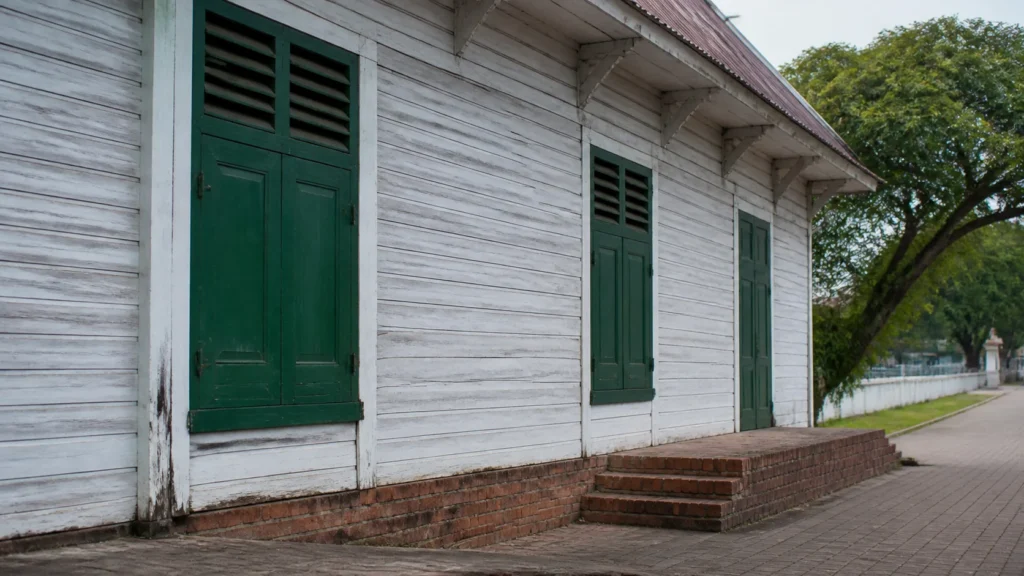
AI-generated editorial visualization of an anonymous material study of Paramaribo's wooden architecture.

Urban heritage

Read Paramaribo's wooden city beyond the facade

A qualified local historian can connect street plan, local materials, craft, colonization and conservation across lawful public spaces, including the property's current World Heritage in Danger status.

AI-generated editorial visualization of an anonymous cultural-institution context for a bearer-led Paramaribo visit.

Afro-Surinamese culture

Learn through a named cultural institution

Choose NAKS or another verified bearer-led institution when a current program and consent exist; the institution defines language, photography and participation.

AI-generated editorial visualization of an anonymous public memory-walk context in historic Paramaribo.

Historical memory

Hold slavery, resistance and freedom in the same city walk

Work with a qualified historian and current public institutions to address colonial violence through documentary evidence, with Afro-Surinamese agency central.

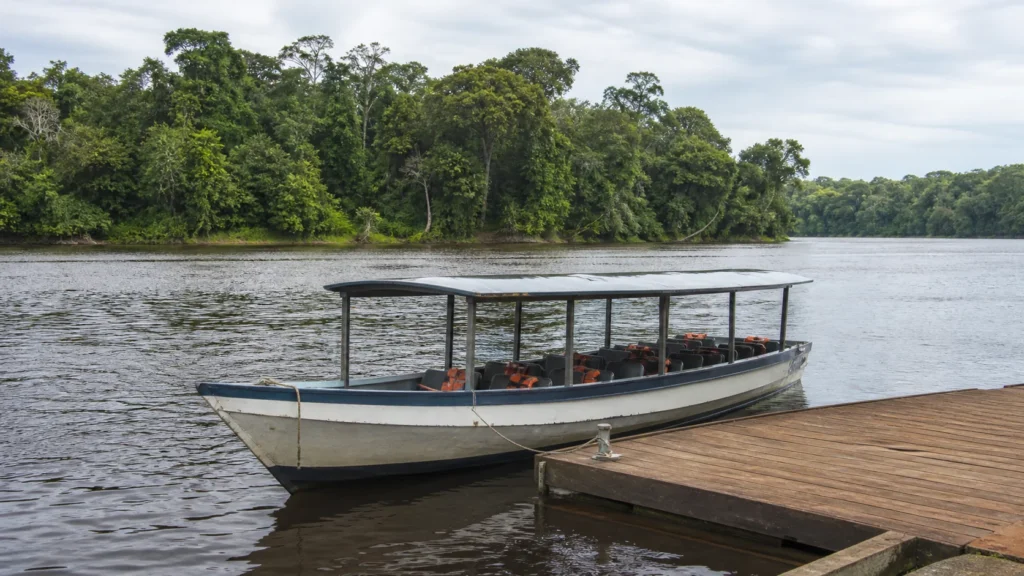
AI-generated editorial visualization of a safe road-to-boat transfer context for the Upper Suriname River.

River logistics

Make the Atjoni transition part of the interpretation

An established operator can explain river transport and regional geography while keeping road, dock, boat, luggage and safety procedures explicit.

AI-generated editorial visualization of a neutral off-site planning metaphor for host-defined Upper Suriname River access.

Saamaka authority

Visit the Upper River only through host-defined context

Where invited, use a Saamaka-led museum, guide or community program such as Pikin Slee's documented cultural context. Hosts decide access, stories, sacred boundaries, images and compensation.

Travel restored

What makes Paramaribo and the Upper Suriname River a wellness destination?

What makes Paramaribo and the Upper Suriname River a wellness destination?

Slower city walking, deliberate river travel and community time governed by hosts make this a practice of reciprocity. Travelers learn to accept changes from weather, safety or host priorities, supported by rigorous travel-medicine and evacuation planning.

Wellness role
A meaningful restorative layer
Best for
Experienced cultural travelers and nature-led couples who can accept remote limits, community authority and a low-stimulation schedule
Format
Slow urban looking, a daylight river transition, host-led cultural context and protected forest or river quiet
Ideal commitment
At least two city nights before the interior, one principal river chapter per day and no remote plan without a complete medical contingency
Intensity
Varies

For companions

Best for travelers whose health, mobility and comfort needs have been explicitly matched to the exact vehicle, boat, lodge and evacuation plan.

Seasonal lens

Weather and river level change the route; current health notices and mosquito protection apply in every season.

Notice material, shade, repair and the people who maintain them

Wooden-city pace

Follow a historian-led public route with vehicle support so architecture, colonial history and present conservation have enough time and shade.

Duration
60 to 120 minutes
Intensity
Gentle
Best for
Architecture and cultural travelers
Consider

Confirm sun, security, uneven surfaces and public access. Heritage observation is not therapy.

Let transport become a deliberate change of pace

River-time transition

Make the verified daylight boat transfer with a clear safety briefing, suitable seating and enough time for an unhurried journey.

Duration
Operator-defined
Intensity
Gentle
Best for
Travelers comfortable with boats and remote logistics
Consider

Confirm vessel, operator, life jacket, weather, communications, dock, luggage and evacuation. River calm is not guaranteed.

Practice reciprocity and let hosts set the terms

Host-led attention

When invited, let a Saamaka host or institution set the subject, duration, participation and photography boundary.

Duration
Host-defined
Intensity
Gentle
Best for
Travelers willing to follow community authority
Consider

No ceremony, sacred knowledge, person or image is owed to the traveler. Traditional health practices are not medical care.

Use quiet forest time at a defined, safe base

Forest and veranda interval

Choose a safe lodge or host-approved setting for quiet observation, reading or conversation, and leave the next excursion off the schedule.

Duration
45 to 90 minutes
Intensity
Gentle
Best for
Travelers who need recovery between river activities
Consider

Confirm insects, heat, power, lighting and safe boundaries. Follow current clinician and mosquito-prevention guidance.

Carry home the habit of leaving room for host priorities and changing conditions. As of the research date, CDC carried a Level 2 chikungunya notice for Suriname, while official guidance documented limited rural medical care; pretravel-clinic advice, mosquito precautions and evacuation cover remain required planning inputs.

Timing the journey

When to go

Seasonal rain and river conditions change roads, boat operations and comfort. A generally drier window may simplify logistics; mosquito, heat, road-security and medical-planning requirements remain year-round.

Dec · Jan · Feb

Conditional

Short wetter period

Weather
Rain, humidity and river conditions can affect roads, boats and outdoor comfort.
Crowds
Festive dates and limited quality inventory can compress choices.
Best for
Paramaribo-led culture with a fully verified river contingency.

Mar · Apr

Conditional

Short drier transition

Weather
Potentially drier intervals may ease logistics, but heat, insects and sudden rain remain.
Crowds
Small-scale operators and lodges can fill despite shoulder timing.
Best for
A balanced city and river journey with live checks.

May · Jun · Jul

Conditional

Longer wet period

Weather
Higher rain risk can change roads, river operations, docks and comfort.
Crowds
Limited alternative routes make disruption more consequential.
Best for
City depth, with the Upper River included only after operational review.

Aug · Sep · Oct · Nov

Best

Generally drier window

Weather
Drier patterns may support more predictable road and boat logistics, without removing heat or mosquito exposure.
Crowds
Preferred small lodges and guides can tighten early.
Best for
The strongest candidate for a confirmed city and river route.

Weather, roads, protected-area access, sea or river conditions, public schedules and current health notices change. Reconfirm every transport and outdoor component close to travel.

Value, clearly framed

Understanding trip value

Custom quote based on exact dates, air cabin, accommodation, professional transfers, qualified guidance, admissions, confirmed experiences, accessibility and cancellation terms. No public package price is stated.

What shapes the guidance

6 to 8 nights for two travelers; confirmed gateway, professional transfers, qualified guidance and lawful public or prearranged access priced at proposal stage.

Journey logistics

Arrive well

Arrive through PBM and recover in Paramaribo before any interior movement. The Upper River chapter requires a daylight road transfer toward Atjoni followed by a verified boat operation. If the full operator and medical chain is not confirmed, remain in Paramaribo or defer the extension.

Primary gateway Johan Adolf Pengel International Airport (PBM), with confirmed Paramaribo and Upper River transfers

Premium commercial air

Arrive through Paramaribo's international gateway

Confirmed international or regional originJohan Adolf Pengel International Airport (PBM)

Scheduled air followed by a reserved professional city transfer

Confirm entry approvals, current forms, baggage, cash needs, assistance and the exact driver meeting point.

Final transfer

Travel toward Atjoni only in a verified daylight plan

ParamariboAtjoni river landing

Established operator, professional driver and appropriate vehicle

Official guidance warns of robbery concerns on the Afobakka corridor and recommends a well-established company outside Paramaribo. Reconfirm security, road, communications and medical contingency.

Boat, ferry or yacht

Continue on the Upper Suriname River

AtjoniExact confirmed river lodge or host community

Verified boat, qualified crew and complete safety equipment

Confirm daylight, river level, weather, vessel, life jackets, dock, luggage protection, communications, medication storage and evacuation before departure.

Access and mobility

Confirm airport assistance, vehicle and boat steps, long road exposure, dock stability, life jackets, lifting procedures, heat, insects, sanitation, electricity, communications, dietary needs, medication storage and evacuation. The remote river chapter may be unsuitable even when the city is manageable.

Before you go

Practical planning notes

Reservations

Confirm the whole operator chain

Road, boat, lodge, hosts, communications and evacuation must resolve together.

Getting around

Move only in daylight

City security and remote road planning do not support casual night transfers.

Etiquette

Let hosts define culture

No community, ritual, performance, sacred site or person is a deliverable.

Wellness

Carry medical resilience

Official guidance documents limited rural care and recommends medical evacuation insurance.

The VH Luxe approach

How VH Luxe composes the journey

  1. Recover in Paramaribo

    Confirm entry, health, road and river conditions before leaving the city.

  2. Read the city with a local historian

    Connect architecture, colonization, Afro-Surinamese agency and present life.

  3. Enter the Upper River through an established chain

    Use daylight road and boat logistics with a complete safety and medical plan.

  4. Let the host and river set the stay

    Protect time for community-defined interpretation and quiet, then leave before adding another remote region.

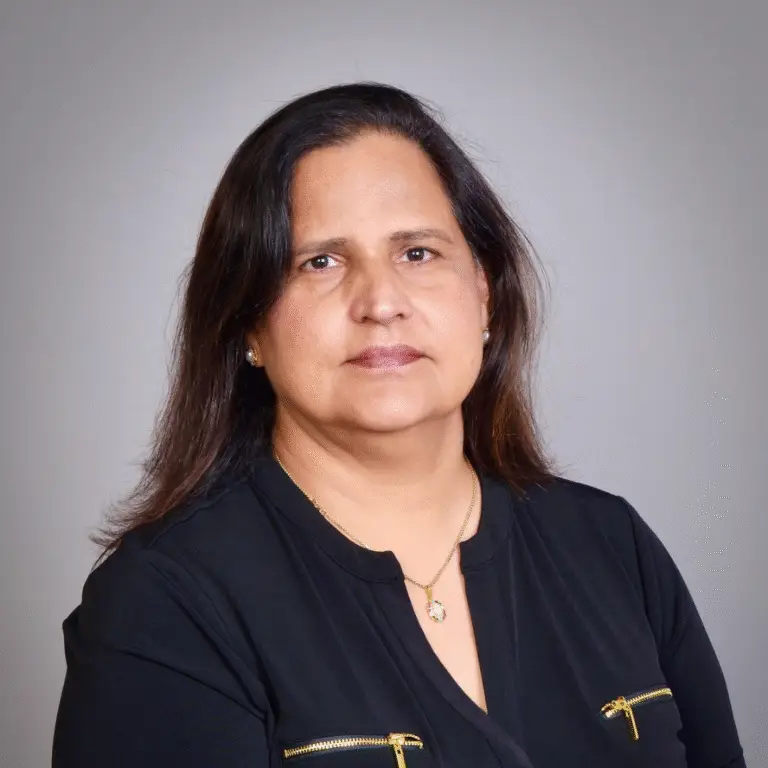
Paramjit Harika, VTA, CTA

Advisor-led planning

Your journey, personally considered

Paramjit Harika

Founder & Luxury Travel Advisor

I coordinate your hotel and room, premium air, transfers and key experiences as one considered journey, with one point of contact from planning through travel.

Good to know

Frequently asked questions

How many nights do you need in Suriname?

Allow 6 nights for Paramaribo and one confirmed Upper River base, or 7 to 8 for transport and weather resilience.

Is the Upper Suriname River a luxury destination?

It can be highly considered, but comfort remains remote and variable. The standard depends on verified logistics, attentive hosting, honest limits and protected time.

Is it safe to travel from Paramaribo to Atjoni?

The route requires a current risk review, daylight travel and a well-established operator. If the road, security and medical chain are not satisfactory, defer the river extension.

Can a Saamaka ceremony or village visit be arranged?

Nothing is assumed. A host or community institution decides whether a visit occurs, what is shared, how photography works and what compensation is appropriate.

What medical planning is required?

Use a travel-health clinician, current CDC guidance, mosquito precautions, sufficient medication, suitable storage, insurance and a written medical evacuation plan.

How accessible is the Upper River?

The road, dock, open boat, lodge paths, sanitation, power and medical response may make it unsuitable. Assess the exact operation before proposing it.