The VH Luxe destination guide

The Ecuadorian Amazon: Napo River and Yasuní

Last updated 16 August 2026

Choose the travel model before the wildlife list, then let river, heat and community authority set the day.

Recommended stay

5–

7 nights

Best time

The Napo and Yasuní are year-round rainforest destinations. Rain, river level, heat, humidity and wildlife activity shift across the year and from day to day, so choose timing by desired travel model and keep every field plan flexible.

Primary gateway

Quito (UIO), then a confirmed flight to Coca (OCC) and an operator-managed Napo River transfer

Journey context

Allow 5 nights for one community-owned lodge or vessel model, or 6 to 7 for a combination that does not repeat the same forest chapter.

Curator’s verdict

The Napo River provides the route through Yasuní, a protected and inhabited landscape where wildlife observation remains conditional. A community-owned lodge and a river vessel offer different forms of access; both require authorized sites, ethical distance, heat-aware pacing and first-voice cultural control.

Choose well

Which Napo and Yasuní travel model fits?

Choose continuity, movement or combination first. Then match heat, mobility, community authority and wildlife ethics to the traveler.

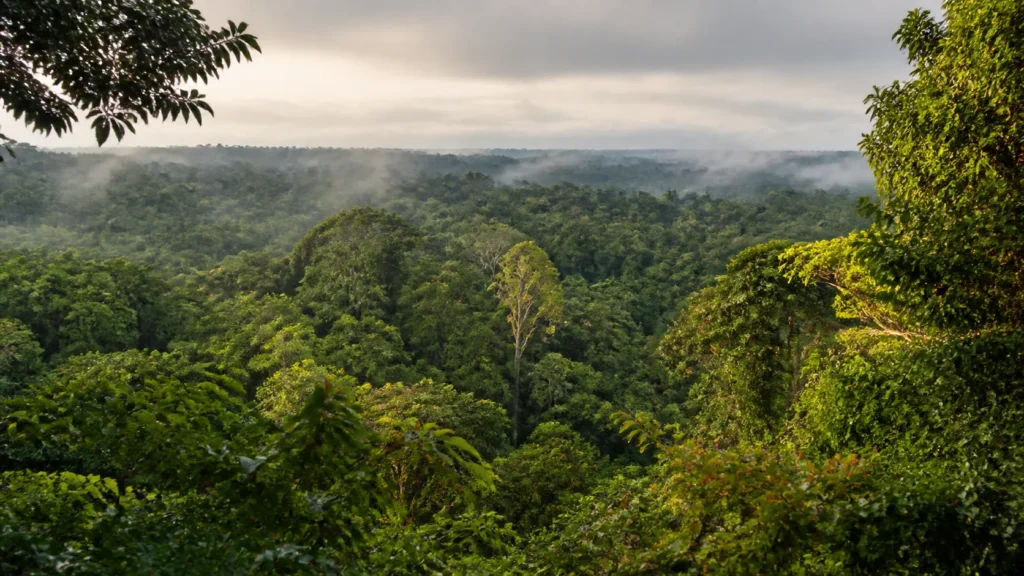
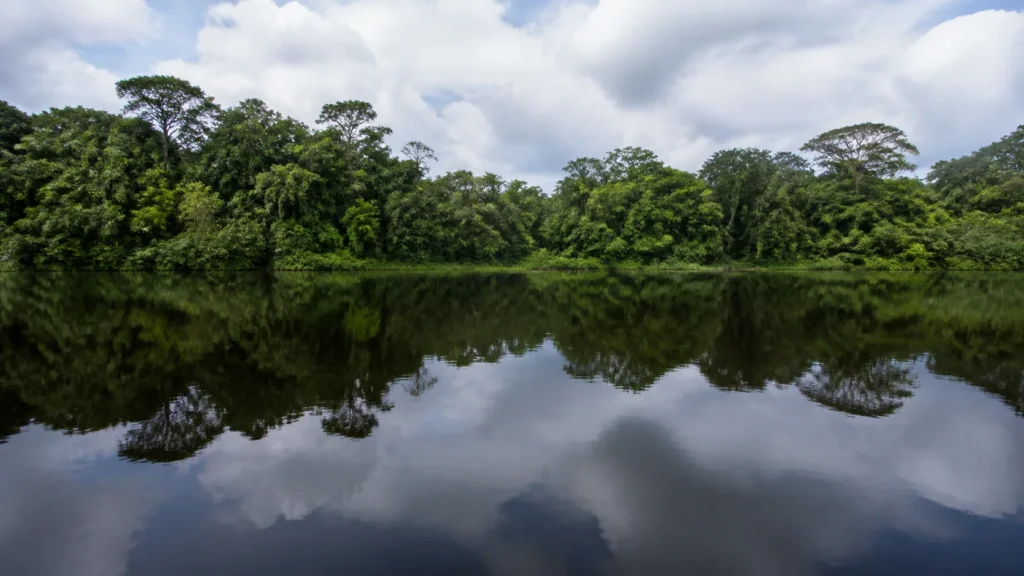
AI-generated editorial visualization of a property-free forest-and-water context for the Napo corridor with no Añangu portrayal.

Travelers who value one territory, a consistent guiding team and direct community governance

Choose a community-owned lodge for continuity

A community-owned model can connect river, forest, conservation and cultural interpretation through hosts who control their own narrative.

Worth knowing

The experience is place-specific and cannot be redesigned as unrestricted access; remoteness, heat and vessel transfers remain real constraints.
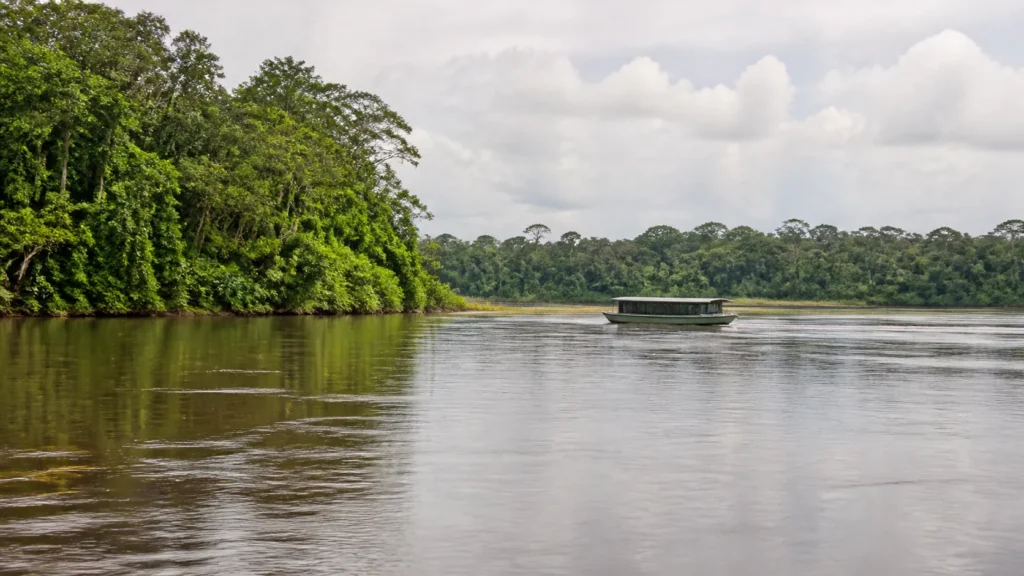
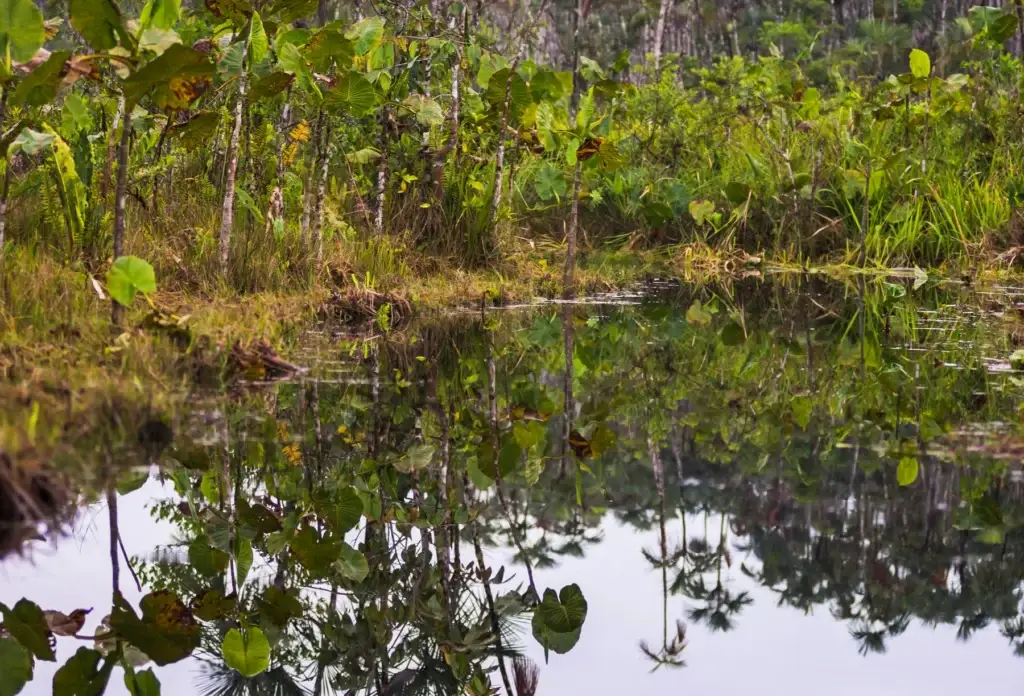
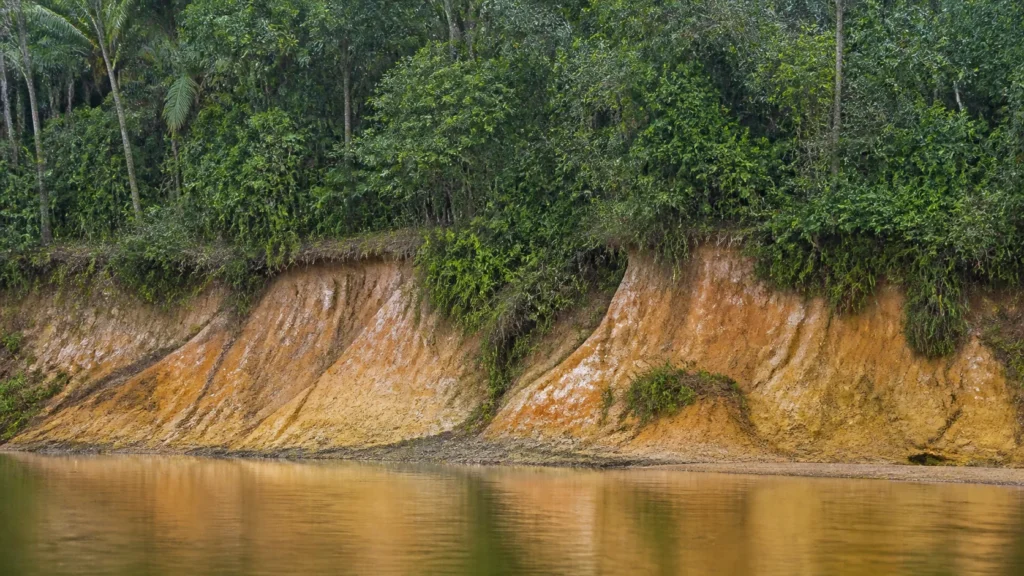
AI-generated editorial visualization of generic passenger-vessel travel on an Ecuadorian Amazon river.

Travelers who prefer one moving base and a wider river sequence

Use a river vessel for changing perspective

A professionally operated vessel can reveal changing river edges while limiting repeated packing and providing a consistent cabin base.

Worth knowing

Daily landings, water levels, route, noise, draft and mobility differ by vessel. Named local partners determine the cultural depth of each landing.

Travelers with 6 or 7 nights who want both territorial depth and river movement

Combine lodge and vessel only with enough nights

A combination can compare ownership and landscape models when each half has a distinct purpose and guiding team.

Worth knowing

A short combination repeats transfers, briefings and generic forest walks without allowing either relationship to deepen.

Natural-history travelers prepared for authorized sites, humidity and uncertain sightings

Choose Yasuní access by ethics and effort

Select one current visitor site, community program or habitat question with a qualified guide and an appropriate physical level.

Worth knowing

Wildlife, clay-lick activity, trail condition, river level and authorized access can change or cancel the plan.

A considered introduction

A community-owned lodge can create deeper continuity with one territory, guiding team and conservation model. A river vessel offers changing river perspective and a contained base, while a combination works only when enough nights remain for both models to feel distinct.

Five nights provide a focused Napo program. Six or seven support a thoughtful combination. Cuyabeno, Sucumbíos and the Colombian border are excluded from this guide under the current planning boundary, and no itinerary approaches territories of peoples in voluntary isolation.

Advisor note

Advisor perspective: I would choose the ownership and guiding model before the room category, protect the hottest hours and let one named community partner define every cultural exchange. VH Luxe Travels can coordinate preferred-partner value and tailored arrangements where applicable, with every flight, vessel, guide, visitor site, photography term and private format confirmed before travel.

What stays with you

Signature experiences

AI-generated editorial visualization of a generic water-level canoe perspective in the Ecuadorian Amazon.

River ecology

Read the Napo from water level

Travel with a qualified naturalist who can explain river form, flooded and terra firme forest, human settlement and safe navigation from an authorized vessel. Wildlife remains a possible observation.

AI-generated editorial visualization of an anonymous off-site consent-first planning metaphor with no Añangu portrayal.

First-voice culture

Enter Añangu through community authority

Use a community-owned program in which named Kichwa Añangu hosts decide the content, language, photography and pace. Listen for contemporary priorities and let the hosts define what is shared.

AI-generated editorial visualization of the elevated forest-layer perspective associated with canopy observation, without a tower.

Canopy ecology

Observe the forest from a lawful tower or platform

Use a specialist to compare canopy and understory from a currently operating structure, with step count, heat, height, wildlife distance and emergency plan confirmed.

AI-generated editorial visualization of an empty mineral-clay-bank habitat context with no wildlife event.

Wildlife ethics

Approach a clay lick without controlling the outcome

Use an authorized guide and viewing position, keep noise and distance appropriate, and accept that weather, predators and animal behavior may result in no activity.

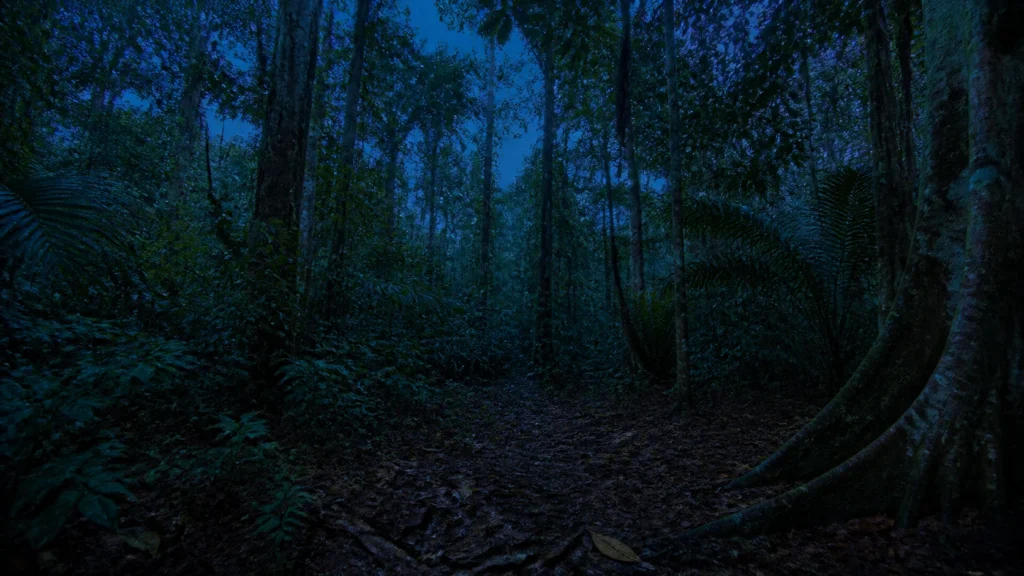
AI-generated editorial visualization of a wildlife-free twilight-forest context in the authorized Yasuní visitor landscape.

Day and night fieldcraft

Compare the forest across two sound worlds

Pair a gentle daylight route with a short nocturnal walk led by a qualified guide, using restrained light and no handling, baiting or playback that conflicts with current rules.

Travel restored

What makes The Ecuadorian Amazon: Napo River and Yasuní a wellness destination?

What makes the Napo River and Yasuní a wellness destination?

River time, layered sound and wildlife that cannot be directed change the traveler’s sense of scale. Plan the day around heat-aware pacing and expert-led attention, with meaning defined by the people who live there. Detox, plant-medicine and miracle claims are excluded.

Wellness role
A primary reason to travel
Best for
Travelers seeking deep mental distance, natural-history attention, community-led meaning and low-impact adventure
Format
Private or small-format naturalist guidance, community-owned interpretation, heat-aware scheduling and protected indoor recovery
Ideal commitment
One principal field session at dawn or late afternoon, a conservative midday recovery period and a complete hydration and evacuation plan
Intensity
Gentle

For companions

Mixed-ability planning begins with independent screening for vessel boarding, heat, steps and remoteness, plus shorter versions of shared field sessions.

Seasonal lens

Year-round with changing rain, river level and heat. The schedule follows live conditions, and no universal dry-season promise applies.

Let current, light and distance replace clock-driven urgency

River-time attention

A naturalist-led canoe or launch interval uses the river’s pace to notice habitat and human geography, with silence left unstaged.

Duration
One dawn or late-afternoon session
Intensity
Gentle
Best for
Executives and long-haul travelers seeking mental distance
Consider

Vessel, weather, current, wildlife distance and life-safety equipment must be confirmed.

Understand wellbeing through a host community’s own priorities

Kichwa-led meaning

A named Añangu host may share how territory, work, family and conservation connect, but only in the language and format the community authorizes.

Duration
One community-led interval
Intensity
Gentle
Best for
Cultural travelers prepared for first-voice context
Consider

No outsider interprets ceremony, medicine or identity without permission. Photography and private space remain controlled locally.

Protect the body from unnecessary heat load

Heat-aware field rhythm

CDC guidance identifies dehydration as a heat-illness risk and explains that humidity slows evaporative cooling. Use early or late field sessions, rest, hydration, suitable clothing and clinician input where needed.

Duration
Daily throughout the stay
Intensity
Gentle
Best for
Every traveler, especially those from cooler climates
Consider

This is general planning, not medical advice. Symptoms or chronic conditions require professional assessment and an evacuation plan.

Notice sound without touching or collecting

Listen after dark

Use a short guided night route to distinguish insects, amphibians, rain and movement, then note one listening practice to repeat at home.

Duration
45 to 90 minutes
Intensity
Gentle
Best for
Curious adults, families and sensory learners
Consider

Use restrained light, no handling and no unapproved playback. Wildlife and weather remain unpromised.

Continue the discipline of observing without controlling and listening before interpreting. The forest, plant knowledge, food, sound and spa services do not diagnose, detoxify, treat or promise biomarkers or longevity.

Timing the journey

When to go

The Napo and Yasuní are year-round rainforest destinations. Rain, river level, heat, humidity and wildlife activity shift across the year and from day to day, so choose timing by desired travel model and keep every field plan flexible.

Jan · Feb · Mar

Conditional

Rainforest planning window one

Weather
Rain, heat, humidity and changing river levels require daily route and clothing decisions.
Crowds
Holiday and school calendars can compress cabins, guides and flights.
Best for
Travelers prioritizing one contained lodge or vessel program with strong alternatives.

Apr · May · Jun

Conditional

Rainforest planning window two

Weather
Wetter intervals can affect docks, trails and river routes while sustaining dense forest activity.
Crowds
Demand varies by holiday dates and operator departures.
Best for
Natural history with flexible vessel, canopy and community sequencing.

Jul · Aug · Sep

Conditional

Rainforest planning window three

Weather
Relative shifts in rain or river level never remove heat, humidity or sudden storms.
Crowds
International holiday demand can tighten family cabins and specialist guides.
Best for
A lodge-and-vessel combination when exact routes and water levels align.

Oct · Nov · Dec

Conditional

Rainforest planning window four

Weather
Changing rain and river conditions can alter visitor sites, landings and observation.
Crowds
Year-end travel can compress air and lodge inventory.
Best for
A single-base program with protected weather and flight buffers.

Rain, river level, heat, humidity, flight schedules, dock access, wildlife behavior, community priorities and protected-area permissions change. Reconfirm every element close to travel.

Value, clearly framed

Understanding trip value

Custom quote based on exact dates, air cabin, accommodation, professional transfers, qualified guidance, admissions, confirmed experiences, accessibility and cancellation terms. No public package price is stated.

What shapes the guidance

5 to 7 nights for two travelers; UIO and a confirmed OCC connection, one community-owned lodge or vessel, authorized Napo and Yasuní transfers, qualified naturalist guidance and named community access priced at proposal stage.

Journey logistics

Arrive well

Most Napo and Yasuní programs begin with a confirmed connection to Coca and continue by river. Flight, baggage, road-to-dock, vessel, daylight and exact visitor-site sequences are operator-specific and must be protected from tight same-day international connections.

Primary gateway Quito (UIO), then a confirmed flight to Coca (OCC) and an operator-managed Napo River transfer

Premium commercial air

Connect from Quito to Coca

Quito Mariscal Sucre International Airport (UIO)Francisco de Orellana Airport (OCC) in Coca

Confirmed scheduled flight followed by an operator-managed transfer

Confirm the live carrier, schedule, baggage allowance, assistance, connection buffer and current security conditions. Do not place an international arrival against the final Coca flight.

Boat, ferry or yacht

Continue on the Napo through the confirmed operator

Coca and the exact authorized dockNamed lodge, vessel or Yasuní visitor-site sequence

Registered motorized launch, canoe or river vessel with qualified crew

Confirm vessel, crew, safety equipment, river level, daylight, weather, boarding, communications, luggage protection and authorized destination.

Boat, ferry or yacht

Enter Añangu territory only through the community program

Confirmed Napo River transfer pointNamed Kichwa Añangu lodge or visitor setting

Community-managed canoe and guide sequence

Community governance determines route, host, language, photography, cultural content and what remains private. A private guide never overrides those terms.

Access and mobility

Confirm aircraft and dock assistance, narrow or moving vessel boarding, canoe seating, heat, humidity, insects, wet steps, canopy towers, trail roots, power, refrigeration, communications, toilets and evacuation. Remote luxury does not equal urban medical access.

Before you go

Practical planning notes

Getting around

Cuyabeno is outside this guide

The approved boundary excludes Sucumbíos, Cuyabeno and the Colombian border under current risk controls.

Etiquette

Community-owned means community-governed

Ownership determines who controls hosts, content, photography and access. Here, that authority remains with the community.

Etiquette

Wildlife is never a deliverable

Use habitat, ethics and guide quality as the plan; sightings remain uncontrolled.

Wellness

Heat changes the schedule

Dawn and late afternoon usually carry the active purpose, while the hottest interval protects rest and hydration.

The VH Luxe approach

How VH Luxe composes the journey

  1. Arrive in Coca with a protected connection

    Keep air, baggage and river transfer sequencing realistic, then receive the operator’s live safety briefing.

  2. Learn the river before entering the trail

    Use the first naturalist-led transfer or canoe session to understand habitat and navigation.

  3. Give one partner real depth

    Spend meaningful time with the same community or guiding team across the stay.

  4. Close with one measured observation

    Choose one dawn, canopy or sound chapter and keep the departure sequence insulated from weather.

Paramjit Harika, VTA, CTA

Advisor-led planning

Your journey, personally considered

Paramjit Harika

Founder & Luxury Travel Advisor

I coordinate your hotel and room, premium air, transfers and key experiences as one considered journey, with one point of contact from planning through travel.

Good to know

Frequently asked questions

How many nights do you need in the Ecuadorian Amazon?

Allow 5 nights for one lodge or vessel model, or 6 to 7 for a combination that gives each guiding and ownership model a distinct purpose.

Should you choose a lodge or an Amazon cruise?

A community-owned lodge provides continuity with one territory and team. A vessel changes the river perspective from one moving base. Exact mobility and route details matter.

Does this guide include Cuyabeno?

No. Cuyabeno, Sucumbíos and the Colombian border are outside the approved boundary and current risk plan.

Can Amazon wildlife be guaranteed?

No. A qualified guide can select habitat and ethical timing, but weather, river conditions and animal behavior remain uncontrolled.

Can Indigenous communities be visited privately?

A guide or transfer may be arranged in a private format when confirmed, but the community decides access, hosts, content, photography and what remains private.

Is the Napo and Yasuní journey accessible?

It can be adapted selectively, but aircraft, docks, moving boats, canoes, heat, wet steps, towers, trails, power and evacuation require an exact end-to-end review.