The VH Luxe destination guide

Mashpi, Mindo and Ecuador’s Chocó Cloud Forest

Last updated 16 August 2026

Choose immersion or range before the sightings, then let rain and field science decide how the forest is read.

Recommended stay

4–

6 nights

Best time

The cloud forest is humid and rain remains possible throughout the year. Relatively drier or wetter patterns alter roads, waterfalls, visibility and wildlife activity, so the best window depends on purpose and must retain rain-ready alternatives.

Primary gateway

Quito Mariscal Sucre International Airport (UIO), followed by a reserved road transfer to the exact Chocó Andino base

Journey context

Allow 4 nights for Mashpi or a focused Mindo program, or 5 to 6 for a measured split that adds a distinct reserve and guiding model.

Curator’s verdict

The Chocó Andino deserves its own journey from Quito. Mashpi provides a contained conservation and research ecosystem; Mindo opens access to a wider network of guides and reserves. Choose one model first, then let habitat and field evidence govern wildlife observation.

Choose well

Which Chocó cloud-forest model fits: Mashpi immersion, Mindo range or both?

Choose the level of containment, specialist focus and physical effort first. Then build a field program that can change with rain and wildlife activity.

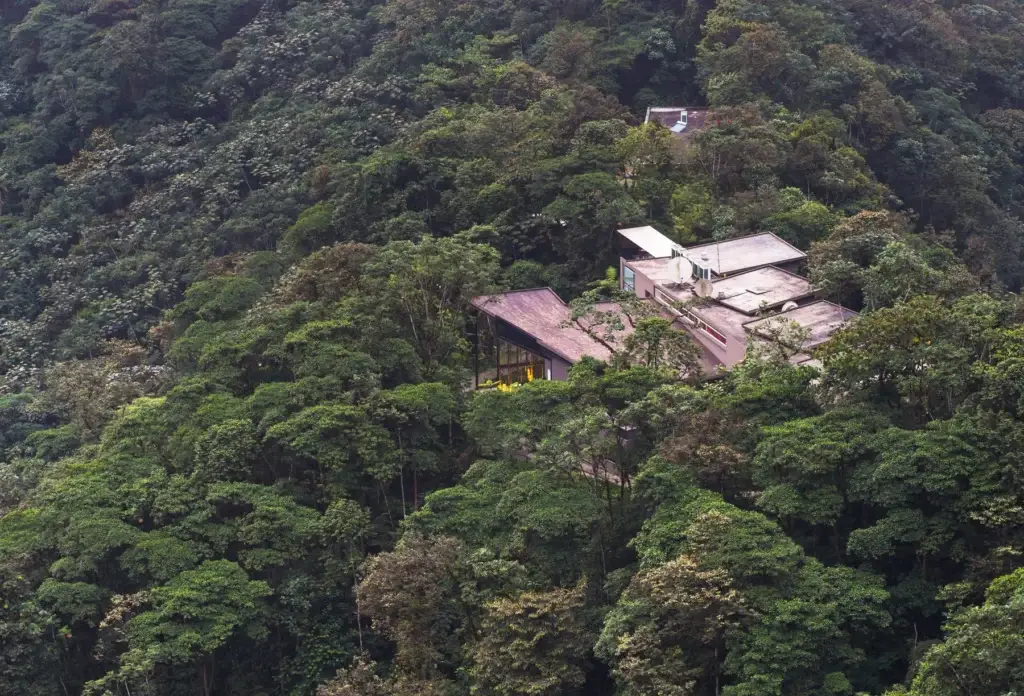
AI-generated editorial visualization of an immersive forest context within the wider Mashpi-Tayra landscape.

First visits, families and travelers who want resident biology with managed logistics

Choose Mashpi for immersive conservation

A lodge-and-reserve model connects guides, research, canopy, trails and recovery without daily transfers to separate sites.

Worth knowing

The experience is intentionally contained, and a private reserve does not mean wildlife, research access or every trail can be promised.
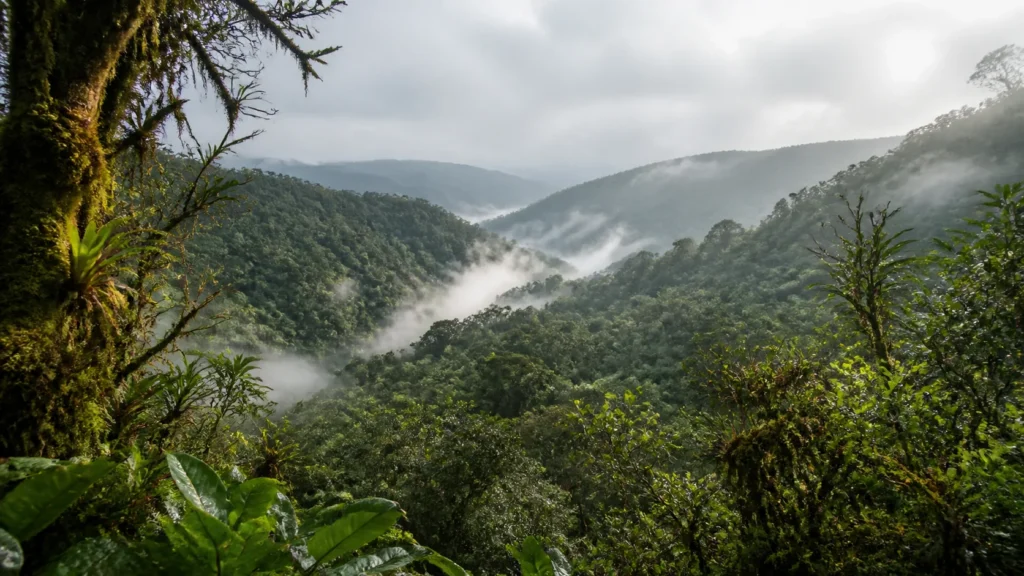

AI-generated editorial visualization of a montane cloud-forest habitat context near Mindo.

Birders, repeat visitors and travelers who want multiple reserves or guide specialties

Use Mindo for flexible specialist range

A Mindo base can support different elevations, hides and private reserves selected around a clear natural-history question.

Worth knowing

It requires more operator coordination, road time and scrutiny of exact reserve access, comfort and mobility.

Travelers with 5 or 6 nights who want both resident science and flexible field range

Split Mashpi and Mindo only for a distinct purpose

A split can compare conservation models and habitats when each base adds a different ecological question.

Worth knowing

Repeating canopy rides and generic bird walks wastes transfer time and weakens the editorial reason for moving.

Mixed-mobility families, photographers and travelers sensitive to wet terrain

Choose the effort ladder before the species list

Canopy systems, observation decks, short trails and longer routes can reveal different forest layers at several physical levels.

Worth knowing

Wildlife may not appear from the most accessible platform, and rain can alter every rung of the effort ladder.

A considered introduction

Mashpi suits travelers who want an immersive lodge, resident biology and multiple levels of forest access within one managed reserve. Mindo works better for independent reserve selection, specialist birding and a village base with broader operator choice.

Four nights support one model. Five or six make a careful split possible, but the transfer needs to add ecological contrast. Repeated canopy and birding activities do not justify moving. The UNESCO biosphere spans a major elevation range, so place names never substitute for exact habitat, road or weather checks.

Advisor note

Advisor perspective: I would choose the conservation model first, reserve a named naturalist and keep every wildlife target secondary to habitat and ethical distance. VH Luxe Travels can coordinate preferred-partner value and tailored arrangements where applicable, with the lodge, reserve, guide, research interaction, road and private format confirmed before travel.

What stays with you

Signature experiences

AI-generated editorial visualization of an anonymous field-science planning still life with no Mashpi team attribution.

Field science

Read the reserve with a biologist or parabiologist

Use a named member of the research or guiding team to understand a current monitoring question, how observations become evidence and what remains unknown. Lab or project access is confirmed, never implied.

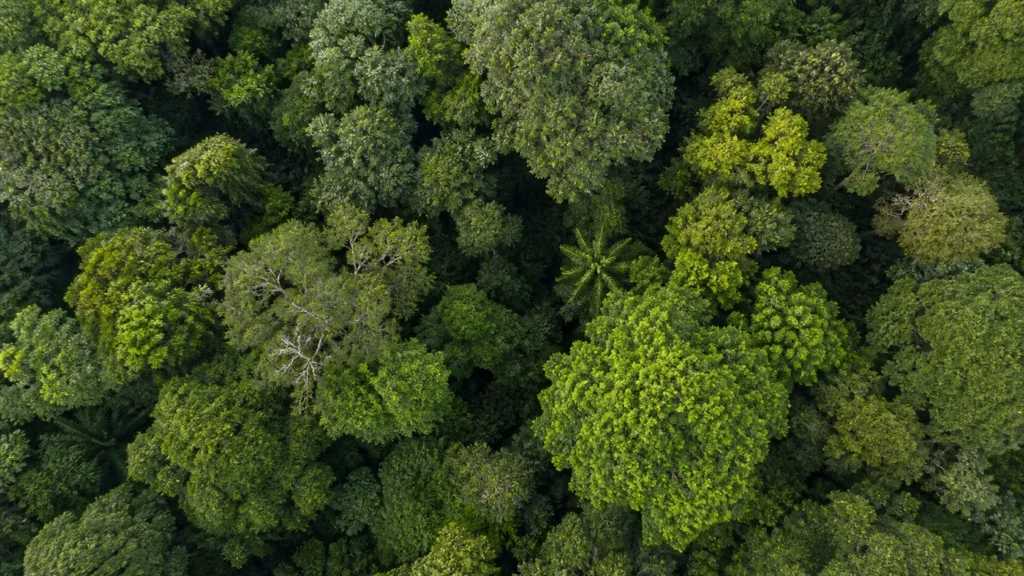
AI-generated editorial visualization of a top-down Andean Chocó canopy-layer mosaic without depicting the Dragonfly installation.

Canopy ecology

Cross forest layers on the Dragonfly when operating

Use Mashpi’s open-air canopy system with a specialist who can distinguish canopy structure, microclimate and observation from entertainment. Operation, mobility and wildlife remain conditional.

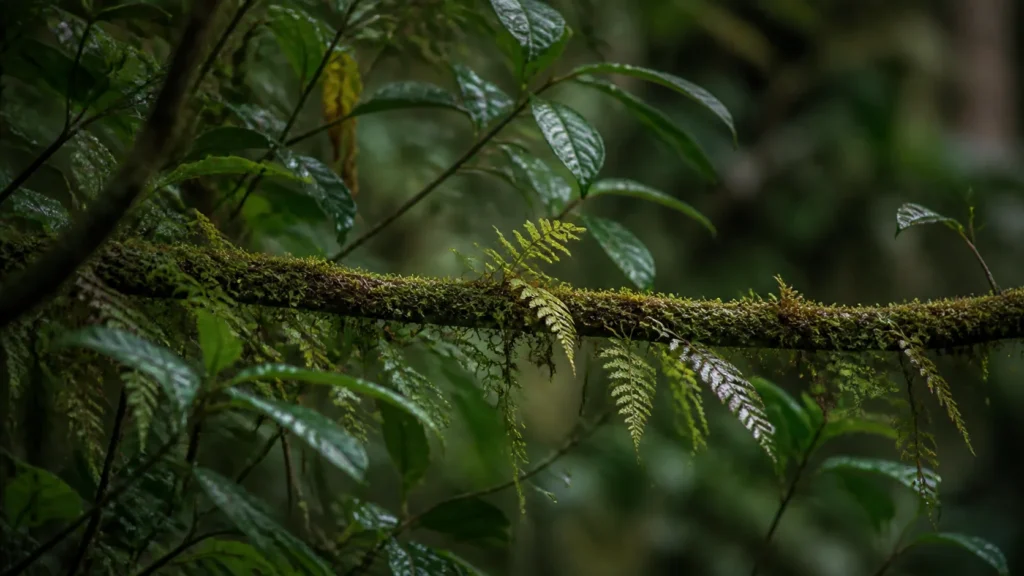
AI-generated editorial visualization of a close, wildlife-free mossy-branch habitat study for ethical observation near Mindo.

Birding

Build one Mindo field morning around habitat

Choose a qualified guide and exact reserve by elevation, habitat and traveler interest, then let the forest determine what appears.

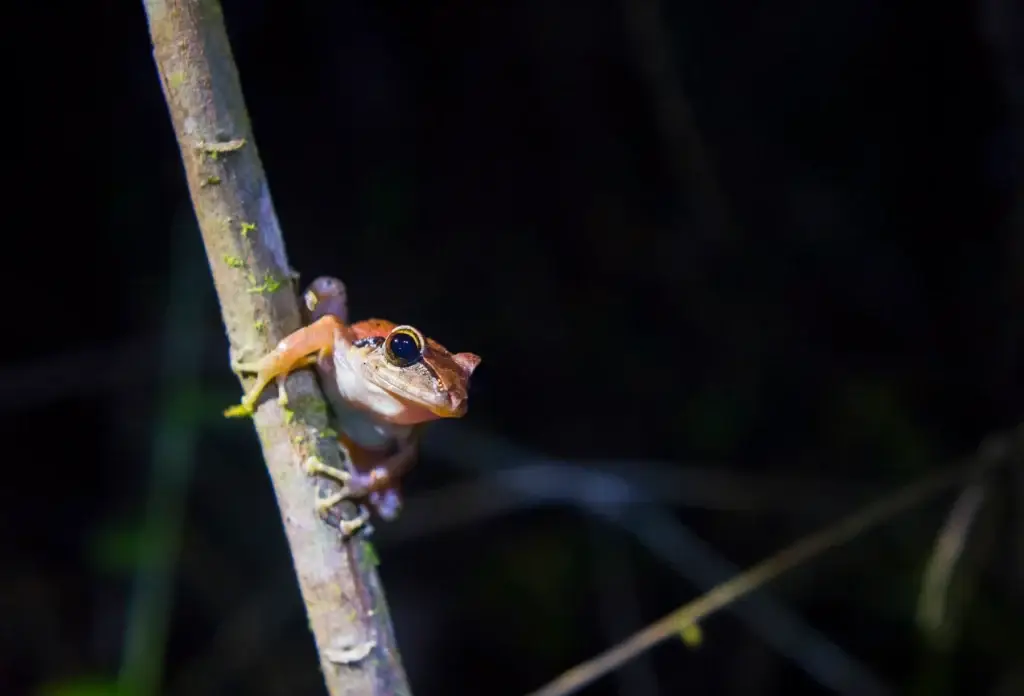
AI-generated editorial visualization of a wildlife-free, naturally coloured twilight-forest context in the Chocó Andino.

Nocturnal ecology

Listen to the forest after dark

Walk a short authorized route with a specialist who can interpret sound, insects, amphibians and safety without handling wildlife or using artificial cues irresponsibly.

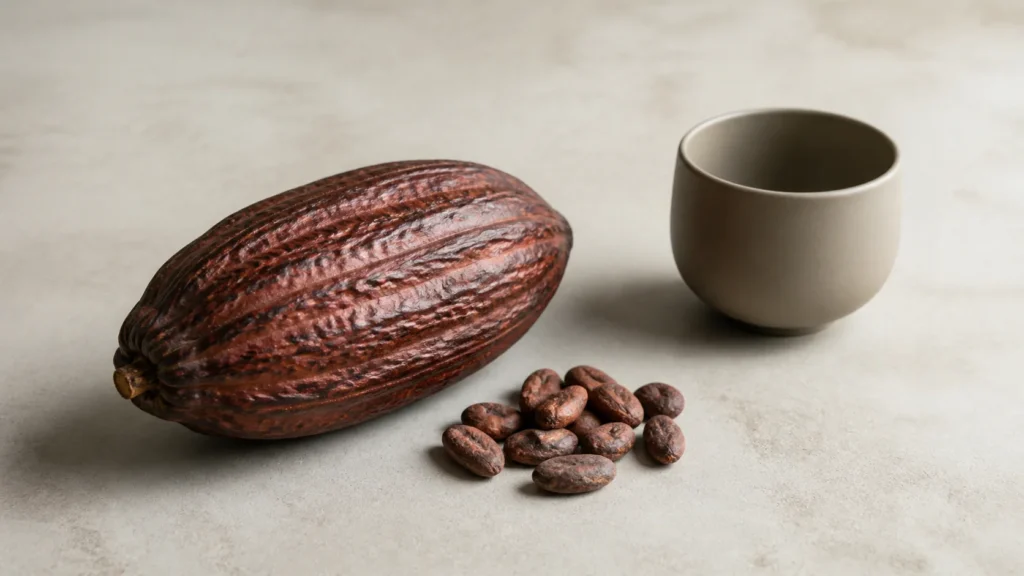
AI-generated editorial visualization of an anonymous raw-cacao ingredient study with no producer or community attribution.

Conservation foodways

Trace one forest ingredient through a named local partner

Meet a consenting grower, cook or conservation enterprise to understand cacao, fruit, fungi or another exact product within land-use and livelihood context. The host defines what is shared.

Travel restored

What makes Mashpi, Mindo and Ecuador’s Chocó Cloud Forest a wellness destination?

What makes Mashpi, Mindo and the Chocó cloud forest a wellness destination?

Rain, layered sound and patient observation slow attention in the Chocó. Expert-led nature contact, low-impact movement and a clear conservation purpose organize the stay. Research associations remain separate from personal medical outcomes.

Wellness role
A primary reason to travel
Best for
Travelers seeking lower stimulation, scientific curiosity, gentle forest movement and a conservation connection
Format
Resident naturalist or biologist, private habitat-led field sessions, canopy access where suitable and protected open time
Ideal commitment
Two hours or more of unhurried nature contact across the stay, adjusted for mobility and weather; this duration is not presented as a dose
Intensity
Gentle

For companions

Canopy, deck, short-trail and longer-field options let mixed-ability companions pursue one ecological question at different effort levels.

Seasonal lens

Possible year-round with rain-ready design. Route choice follows rain, drier intervals, temperature and visibility; there is no universal best month.

Practice patient observation under uncertain conditions

Cloud-forest attention

A naturalist-led interval focuses on rain, sound, leaf movement and habitat. One large observational study associated 120 weekly minutes in nature with self-reported health and wellbeing; it did not establish a destination treatment.

Duration
Two or more hours across the stay
Intensity
Gentle
Best for
Executives and urban travelers seeking lower stimulation
Consider

The evidence is associative and based outside Ecuador. No individual outcome, threshold or prescription is promised.

Turn curiosity into a repeatable way of seeing

Parabiologist inquiry

Follow one current research question with a named scientist or parabiologist, learning to separate observation, hypothesis and proof.

Duration
One field or lab interval
Intensity
Gentle
Best for
Science-minded adults, families and students
Consider

Research access, project status and confidentiality must be confirmed. Guests do not interfere with animals or data.

Match effort to forest layer

Canopy-to-stream movement

Combine a canopy system, deck, short trail or stream route so the traveler experiences vertical forest structure at an appropriate distance and effort.

Duration
60 to 150 minutes
Intensity
Gentle
Best for
Mixed-mobility groups and active couples
Consider

Confirm operation, wet surfaces, wearable safety equipment or seat requirements, insects, lightning and rescue plan.

Choose one credible next action

Carry one conservation practice home

Use a named local partner to understand land, food or restoration work, then record one behavior or contribution that can continue after travel.

Duration
One guided interval plus reflection
Intensity
Gentle
Best for
Travelers who want a practical stewardship connection
Consider

The host defines priorities and any contribution. Do not claim that a stay alone proves net-positive impact.

Apply the same patience to evidence, uncertainty and attention at home. Forest contact, research participation and spa services are not diagnosis, treatment, biomarkers or guaranteed wellbeing outcomes.

Timing the journey

When to go

The cloud forest is humid and rain remains possible throughout the year. Relatively drier or wetter patterns alter roads, waterfalls, visibility and wildlife activity, so the best window depends on purpose and must retain rain-ready alternatives.

Jan · Feb · Mar · Apr

Conditional

Rain-forward forest

Weather
Frequent rain can intensify streams and forest atmosphere while affecting roads, trails and visibility.
Crowds
Holiday periods can compress rooms and guides even when conditions are wet.
Best for
Immersive lodge stays, biology, short field sessions and rain-ready observation.

May · Jun

Best

Forest transition

Weather
Rain and cloud remain, with daily conditions determining road and trail choice.
Crowds
Demand can vary around Ecuador and international holiday patterns.
Best for
A balanced Mashpi or Mindo program with a strong field alternative.

Jul · Aug · Sep

Best

Relatively drier pattern

Weather
Relatively drier intervals can assist some roads and trails, but humidity, rain and cloud are integral to the ecosystem.
Crowds
School holidays can tighten family inventory and specialist guides.
Best for
Birding, canopy, longer field routes and a careful split stay.

Oct · Nov · Dec

Conditional

Changing-rain transition

Weather
Rainfall and visibility can change quickly, requiring daily route selection.
Crowds
Year-end demand may compress lodge inventory.
Best for
Flexible science, foodways and low-impact forest observation.

Rain, road conditions, landslides, lightning, trail closure, canopy operation, wildlife activity and research access change. Reconfirm every transport and field element.

Value, clearly framed

Understanding trip value

Custom quote based on exact dates, air cabin, accommodation, professional transfers, qualified guidance, admissions, confirmed experiences, accessibility and cancellation terms. No public package price is stated.

What shapes the guidance

4 to 6 nights for two travelers; UIO gateway, one or two northwest Pichincha cloud-forest bases, professional transfers, named naturalist or biology guidance and confirmed reserve access priced at proposal stage.

Journey logistics

Arrive well

UIO is the practical air gateway, but Mashpi and Mindo are separate destination transfers on changing mountain and forest roads. Protect daylight, driver hours and the first field program, especially after a long-haul arrival.

Primary gateway Quito Mariscal Sucre International Airport (UIO), followed by a reserved road transfer to the exact Chocó Andino base

Premium commercial air

Arrive through Quito

Confirmed domestic or international originQuito Mariscal Sucre International Airport (UIO)

Scheduled air followed by a reserved airport or destination transfer

Confirm flight, baggage, assistance, driver meeting point and whether the first night is at altitude near Quito or inside the cloud forest.

Final transfer

Continue to Mashpi with a managed transfer

UIO or a confirmed Quito-area hotelMashpi or another exact western Pichincha reserve

Reserved professional driver and suitable vehicle

Confirm daylight, rain, road works, landslide risk, demonstrations, communications and the exact lodge arrival protocol.

Final transfer

Reach Mindo as its own base

UIO, Quito area or another confirmed Chocó baseExact Mindo or Nanegalito property

Reserved professional driver

Confirm current roads, rain, stops, driver hours and reserve location. A Mindo address does not make every birding site nearby.

Access and mobility

Confirm airport assistance, vehicle step height, road duration, lodge gradients, wet steps, suspension bridges, trail surface, canopy systems, insects, humidity, restrooms and evacuation. A gondola or observation deck may expand access but does not make the full forest program accessible.

Before you go

Practical planning notes

Reservations

Habitat before species

Select reserve and elevation around an ecological question, then record sightings as observations with uncertain outcomes.

Reservations

Research access is conditional

A lodge science program does not imply access to every lab, researcher, dataset or monitoring site.

Etiquette

Night walks need restraint

Use a qualified guide, appropriate light and a no-handling protocol for sensitive wildlife.

Getting around

Do not cross into Esmeraldas casually

This guide remains in northwest Pichincha and excludes the Esmeraldas coast; current security and road advice must be checked.

The VH Luxe approach

How VH Luxe composes the journey

  1. Enter the forest with one question

    Choose birds, canopy, restoration, sound or another focus and let the first guide refine it.

  2. Move through a second forest layer

    Use a canopy, deck, stream or trail at the traveler’s true level, selecting a layer the first outing did not reach.

  3. Meet the people doing the work

    Spend time with a named biologist, parabiologist, grower or conservation partner on confirmed terms.

  4. Leave one interval unscripted

    Let rain or quiet shape the final chapter, then note one observation practice or stewardship choice to continue at home.

Paramjit Harika, VTA, CTA

Advisor-led planning

Your journey, personally considered

Paramjit Harika

Founder & Luxury Travel Advisor

I coordinate your hotel and room, premium air, transfers and key experiences as one considered journey, with one point of contact from planning through travel.

Good to know

Frequently asked questions

How many nights do you need in Ecuador’s cloud forest?

Allow 4 nights for Mashpi or a focused Mindo program, or 5 to 6 for a split that adds a genuinely different reserve and guiding model.

Should you choose Mashpi or Mindo?

Mashpi suits an immersive lodge-and-research stay. Mindo offers flexible specialist range across several reserves from a village base.

Can specific birds or mammals be guaranteed?

No. A guide can select likely habitat and season, but wildlife presence, visibility and behavior remain outside anyone’s control.

Is the cloud forest suitable for limited mobility?

It can be planned through decks, canopy systems and short routes, but vehicles, wet steps, bridges, seating and the complete daily path must be confirmed.

Is Mashpi part of the Amazon?

No. Mashpi and Mindo lie in the Chocó Andino of northwest Pichincha. The Ecuadorian Amazon is a separate guide and ecosystem.

Does a lodge stay guarantee a positive conservation impact?

No. Use current reporting, governance and project evidence to understand impact, and avoid converting broad sustainability claims into a personal guarantee.