The VH Luxe destination guide

Sucre and Potosí, Bolivia

Last updated 16 August 2026

Ascend gradually, read the archive honestly and let two cities complicate the national story.

Recommended stay

5–

7 nights

Best time

Drier months can support road and walking plans but bring strong sun, cold nights and marked temperature shifts. The wetter period can affect roads and outdoor access. Elevation is a year-round planning condition, and local events or civic activity may change opening and traffic.

Primary gateway

Alcantarí International Airport serving Sucre (SRE), subject to live operation

Journey context

Allow at least 5 nights, usually 3 in Sucre and 2 in Potosí, or 6 to 7 for gentler acclimatization, shorter walking intervals and greater road resilience.

Curator’s verdict

Sucre and Potosí need distinct frames. Sucre offers constitutional, religious and urban histories at a lower elevation; Potosí confronts the global consequences of silver, forced labor and ongoing conservation risk. Stage the ascent and interpret extraction without romance or voyeurism.

Choose well

How should Sucre and Potosí be sequenced?

Set the ascent, history and walking load first. Begin in Sucre and add Potosí only after reassessment.

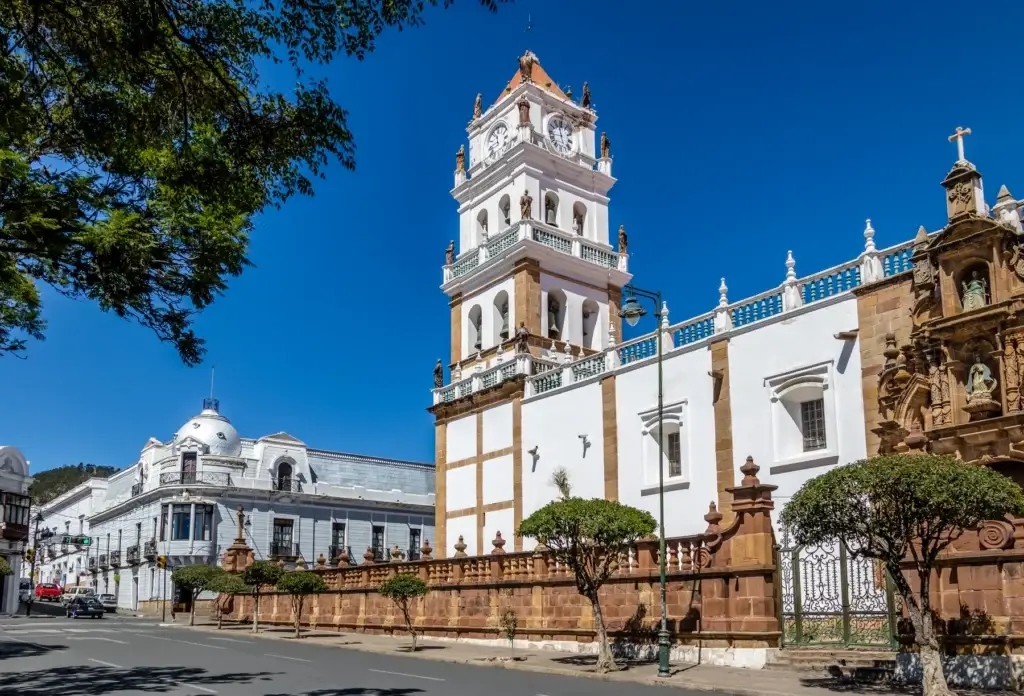
AI-generated editorial visualization of street-level historic-centre context in Sucre; it is not a real street or property.

First visits, cultural travelers and anyone prioritizing acclimatization

Begin with three nights in Sucre

Sucre provides a lower-elevation base for recovery, political history and shorter walking intervals before the higher road to Potosí.

Worth knowing

A beautiful hotel cannot remove altitude effects, and the first day should remain intentionally light.
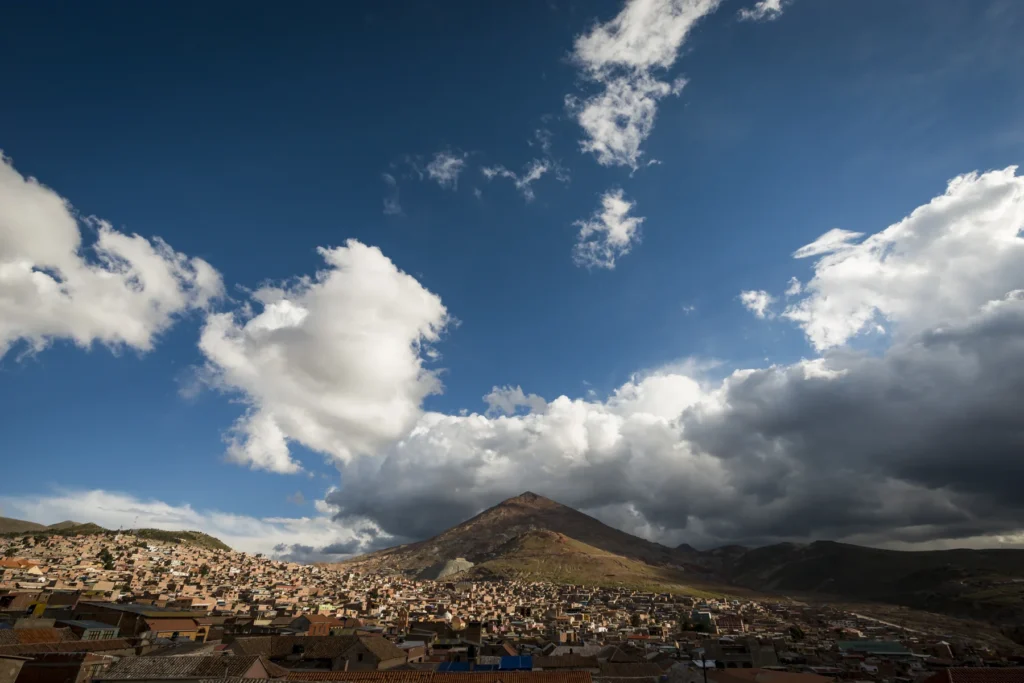
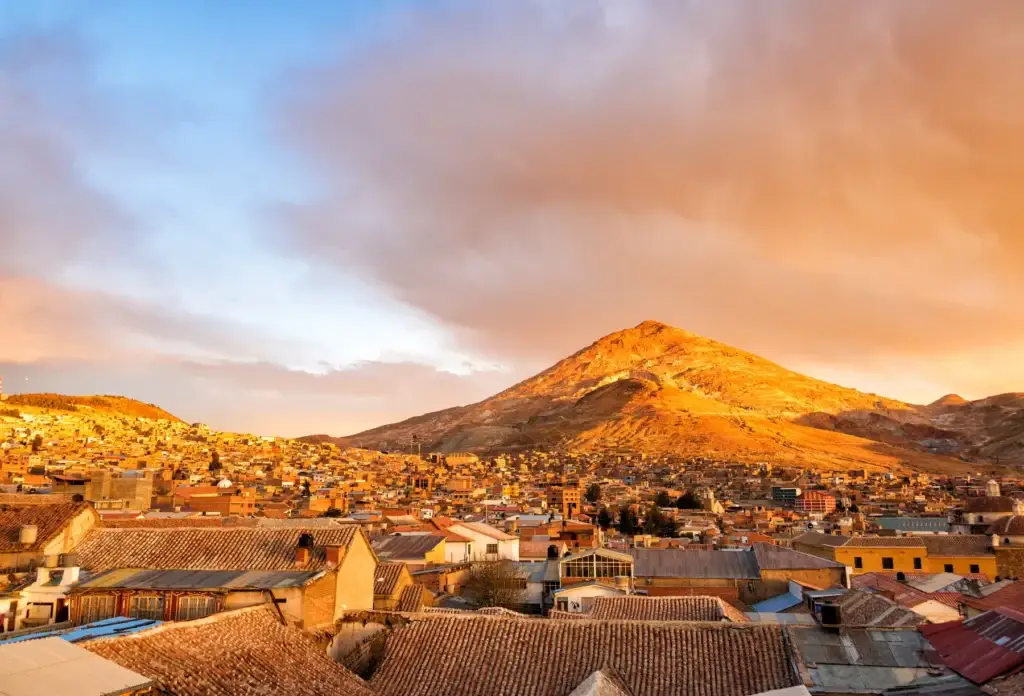
Documented Potosí cityscape with Cerro Rico or exact civic architecture

Travelers prepared for higher elevation and difficult history

Give Potosí two short, serious days

Two nights support shorter specialist-led visits and recovery without compressing the city into a single road stop.

Worth knowing

Higher elevation, cold, conservation issues and limited medical response may require shortening or cancelling the chapter.

Shorter stays, mixed-health groups and travelers needing stronger comfort control

Use Sucre as the only base when risk or time is tight

A Sucre-centered journey can still carry national history through archives, museums and expert conversations without forcing the ascent.

Worth knowing

A same-day Potosí stop is too compressed; this choice leaves it out.

Travelers seeking historically responsible interpretation

Keep active-mine tourism outside the core itinerary

Cerro Rico and extraction can be studied through historians, archives, lawful viewpoints and worker-led first-voice sources without entering an active workplace.

Worth knowing

Some travelers may ask for a mine visit, but risk, dignity, labor conditions and insurance require an exceptional separate review.

A considered introduction

Sucre is the more forgiving first base and a logical place to establish Bolivia's political and cultural chronology. Its UNESCO-listed urban ensemble deserves specialist interpretation beyond white facades. Potosí stands substantially higher and asks for shorter walking intervals, a stricter medical plan and a historian able to connect Cerro Rico, the mint, labor and global capital.

Five nights support three in Sucre and two in Potosí when road and health conditions are favorable. Six or seven improve acclimatization and allow a slower archive or landscape chapter. An active-mine visit is excluded from the core guide because risk, worker dignity and visitor gaze require a separate exceptional review.

Advisor note

Advisor perspective: I would begin in Sucre, keep the first walking day conservative and travel to Potosí only with a protected road plan and a clear health threshold. VH Luxe Travels can coordinate preferred-partner value and tailored arrangements where applicable, with historian, museum, transfer, accessibility and emergency details confirmed before travel.

What stays with you

Signature experiences

AI-generated editorial visualization of a scene inspired by source-described exterior features of Casa de la Libertad; it is not an exact architectural record.

Political history

Read Sucre from Casa de la Libertad outward

Use a qualified historian and confirmed institution access to place independence and constitutional history within the wider city.

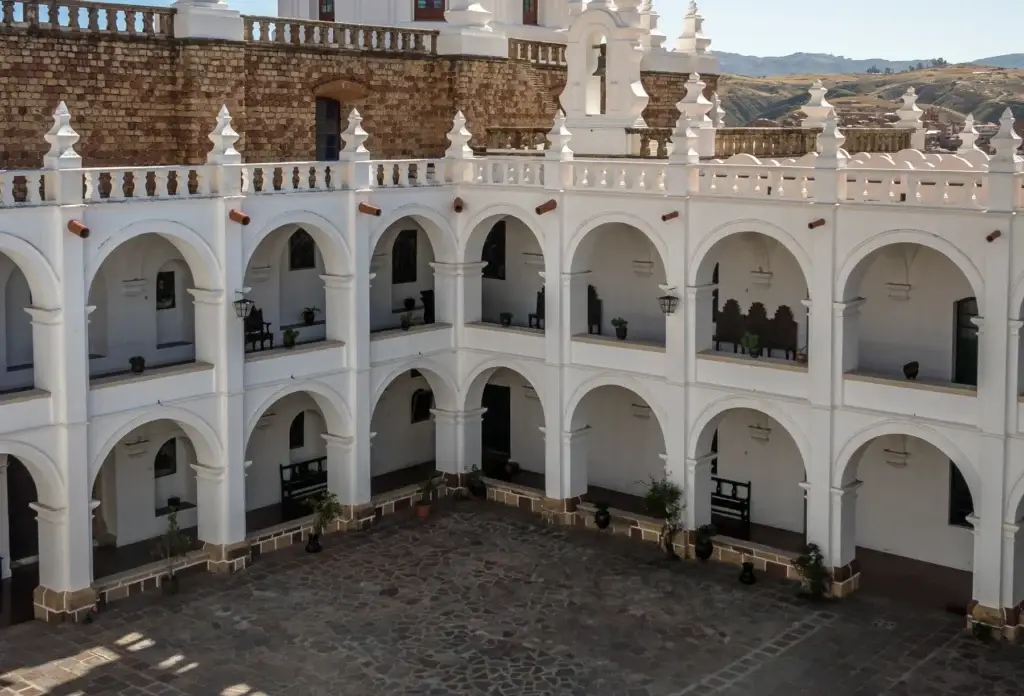
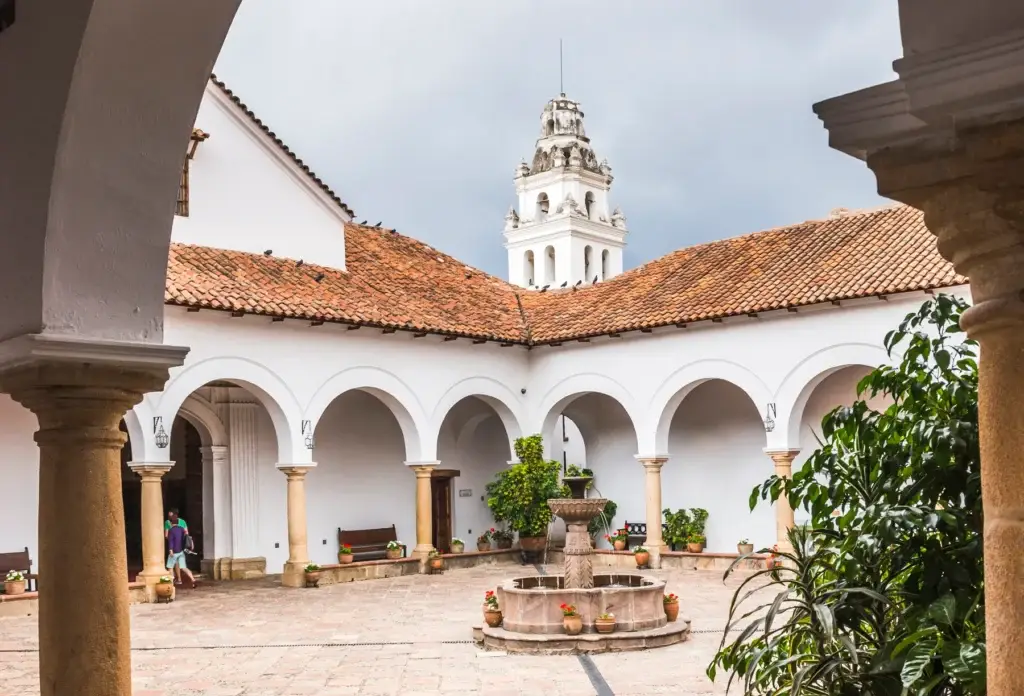
AI-generated editorial visualization of Sucre heritage materials and spatial context; it does not depict a real courtyard or property.

Urban conservation

Look beyond Sucre's white facades

Use a conservation or architectural specialist to read courtyards, churches and changing urban use, with current interior access and photography rules confirmed.

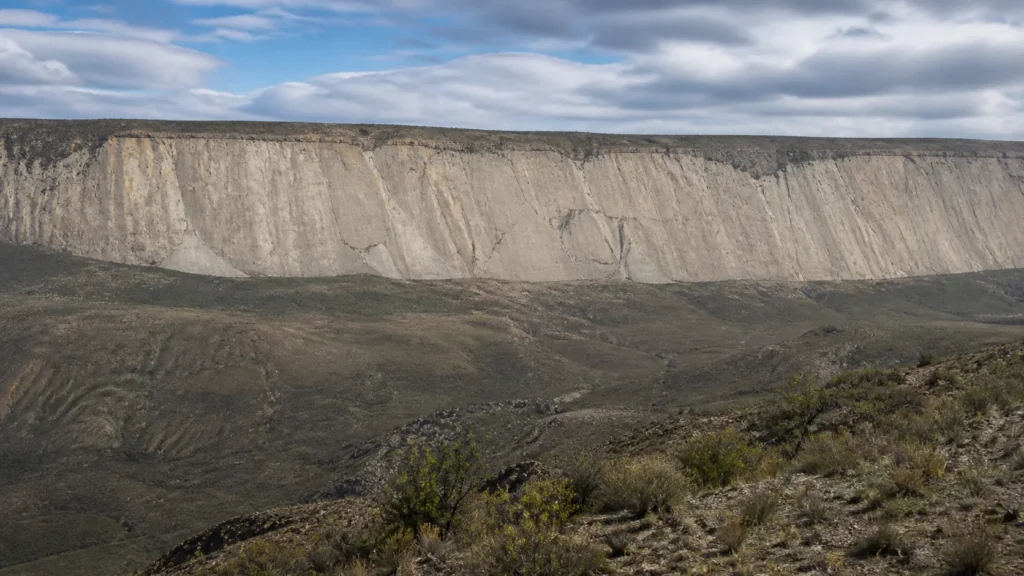
AI-generated editorial visualization of the Cal Orck'o track-wall context; it is not a scientific record or evidence of current access or condition.

Deep time

Approach Cal Orck'o only through current science and safety

If operations are current, use a qualified interpreter to understand the documented track site, viewing distance and conservation without promising access to any specific platform.

AI-generated editorial visualization of Casa Nacional de Moneda public-exterior context; it is not an exact facade or access record.

Global history

Read Potosí through mint, mountain and labor

Use a historian to connect Cerro Rico, currency, forced labor, Indigenous and African histories and global trade, avoiding triumphant wealth language.

AI-generated editorial visualization of an abstract listening context for first-voice interpretation in Potosi; it does not depict a person, testimony, institution or real event.

Contemporary perspective

Hold one first-voice conversation on heritage and work

Use a documented scholar, cultural institution or worker-authorized voice to discuss how Potosí's history is remembered today, with participation and photography controlled by them.

Travel restored

What makes Sucre and Potosí, Bolivia a wellness destination?

What makes Sucre and Potosí a wellness destination?

Staged ascent, quiet courtyards, measured walking and permission to stop shape this route. CDC high-altitude guidance supports gradual ascent and conservative early activity. That pace leaves room to examine privilege and historical perspective without forcing landmark completion.

Wellness role
A meaningful restorative layer
Best for
Cultural travelers who value reflective days and are willing to place altitude safety above landmark completion
Format
Staged ascent, short specialist walks, seated archive time and protected recovery after road and museum chapters
Ideal commitment
A conservative Sucre arrival, clinician-aligned altitude plan, one principal visit per half day and a firm no-push threshold in Potosí
Intensity
Varies

For companions

Mixed groups need the ability to remain in Sucre or shorten Potosí without feeling that the journey has failed.

Seasonal lens

Altitude remains year-round. Drier months may improve roads and walking, while cold, sun and daily temperature change still require conservative scheduling.

Use the arrival day for recovery

Sucre acclimatization day

Follow a clinician-aligned first day with light movement, a seated orientation and no high-elevation excursion before symptoms and energy are reassessed.

Duration
First 24 to 48 hours
Intensity
Gentle
Best for
Travelers approved for high-altitude travel
Consider

Altitude illness can be serious. Individual medical advice and the option to descend or seek care outrank the itinerary.

Alternate concentration with genuine pause

Courtyard and archive rhythm

Arrange a confirmed historian-led interior visit, then protect a quiet seated interval before the next monument.

Duration
60 to 90 minutes
Intensity
Gentle
Best for
Cultural travelers and executives seeking lower stimulation
Consider

Confirm opening, stairs, seating and photography. Quiet or exclusive access is never presumed.

Reduce exertion while preserving historical depth

Potosí walking in short chapters

Use a vehicle-supported route with a qualified historian, short walking segments and frequent reassessment throughout the climb.

Duration
Two 30 to 45 minute intervals
Intensity
Gentle
Best for
Travelers medically cleared for Potosí
Consider

High elevation changes the risk. Stop, descend or seek care according to the clinical and operator protocol.

Reflect on extraction and contemporary memory

First-voice perspective on heritage and work

Use a first-voice scholar or institution to discuss labor, extraction and contemporary heritage, followed by private time for notes or conversation.

Duration
60 minutes plus open time
Intensity
Gentle
Best for
Travelers prepared for sustained historical reflection
Consider

No community member or worker owes disclosure. This is reflection, not therapy or moral performance.

Keep the disciplined pace that protects safety and gives difficult history enough time. High-altitude travel carries medical risk; courtyards, history, food and reflection are not medical, mental-health or longevity treatments.

Timing the journey

When to go

Drier months can support road and walking plans but bring strong sun, cold nights and marked temperature shifts. The wetter period can affect roads and outdoor access. Elevation is a year-round planning condition, and local events or civic activity may change opening and traffic.

May · Jun · Jul · Aug

Best

Dry and colder period

Weather
Clearer days can support roads and walking, with strong sun, cold nights and sharp temperature shifts.
Crowds
Popular regional dates may tighten guides and rooms even when overall demand is moderate.
Best for
First visits, careful road sequencing and shorter specialist-led city chapters.

Sep · Oct · Nov

Conditional

Dry-to-wet transition

Weather
Wind, sun and increasing shower risk require flexible road and walking plans.
Crowds
Demand varies around events and school calendars.
Best for
Travelers who can preserve a weather recovery day and avoid compressed connections.

Dec · Jan · Feb · Mar

Conditional

Wetter period

Weather
Rain can affect roads, historic walking and outdoor viewing while altitude and cool nights remain.
Crowds
Holiday periods can compress transport and services.
Best for
Museum, archive and urban-history depth with substantial road flexibility.

Apr

Conditional

Transition month

Weather
Conditions can shift between wet-season effects and colder, drier nights.
Crowds
Demand and operations vary around the civic and religious calendar.
Best for
A compact, flexible two-city route with daily transport rechecks.

Altitude, roadblocks, protests, fuel, rain, cold, museum operation and conservation access change. Reconfirm official advice, transport and the health plan close to travel.

Value, clearly framed

Understanding trip value

Custom quote based on exact dates, air cabin, accommodation, professional transfers, qualified guidance, admissions, confirmed experiences, accessibility and cancellation terms. No public package price is stated.

What shapes the guidance

5 to 7 nights for two medically prepared travelers; SRE gateway, Sucre and conditionally Potosí, professional road transfers, qualified historians, confirmed museums and a documented health and emergency plan priced at proposal stage.

Journey logistics

Arrive well

Most travelers begin through Sucre's airport or a protected domestic connection and continue by reserved transfer. The road to Potosí must be confirmed for surface, protests, weather, fuel, driver hours and medical contingency. Do not continue directly to higher Potosí when the clinical plan calls for staged acclimatization.

Primary gateway Alcantarí International Airport serving Sucre (SRE), subject to live operation

Premium commercial air

Arrive through Sucre

Confirmed domestic air originAlcantarí International Airport serving Sucre (SRE)

Scheduled air followed by reserved road transfer

Confirm live flight, baggage, airport operation, driver meeting point, road time and the first-day altitude plan.

Final transfer

Move from Sucre to Potosí only after reassessment

Exact Sucre propertyExact Potosí property

Reserved professional driver and suitable vehicle

Confirm symptoms, roadblocks, weather, fuel, driver hours, communication and medical response before departure.

Final transfer

Return to a protected onward connection

PotosíSucre airport or separately confirmed next destination

Reserved professional driver with timing buffer

Do not place the road directly against a same-day flight. Confirm road, protest and fuel conditions and retain a recovery alternative.

Access and mobility

Confirm altitude tolerance with the traveler's clinician, then confirm historic-centre grades, cobbles, museum stairs and lifts, seating, washrooms, vehicle step height, road hours, heating and emergency response. Vehicle access near a building does not prove an accessible interior.

Before you go

Practical planning notes

Wellness

Start lower in Sucre

A staged sequence supports acclimatization but does not eliminate altitude risk.

Etiquette

Do not romanticize Cerro Rico

Describe Cerro Rico through labor, coercion, extraction and contemporary consequence.

Etiquette

Keep active mines outside the core

Treat an active mine as a workplace requiring exceptional safety, ethics, insurance and worker-authority review.

Getting around

Protect the road day

Potosí should not be placed against an unbuffered flight or remote onward circuit.

The VH Luxe approach

How VH Luxe composes the journey

  1. Arrive gently in Sucre

    Recover, follow the clinical altitude plan and begin with one seated orientation rather than a full walking circuit.

  2. Build the political and urban frame

    Use qualified historians and current institutions to establish chronology before traveling higher.

  3. Move to Potosí only after reassessment

    Confirm health, road and local conditions, then keep the first Potosí interval short.

  4. Leave space for difficult history

    Use one serious specialist chapter, then keep the following interval open for notes, conversation or rest.

Paramjit Harika, VTA, CTA

Advisor-led planning

Your journey, personally considered

Paramjit Harika

Founder & Luxury Travel Advisor

I coordinate your hotel and room, premium air, transfers and key experiences as one considered journey, with one point of contact from planning through travel.

Good to know

Frequently asked questions

How many nights do you need for Sucre and Potosí?

Allow at least 5 nights, usually 3 in Sucre and 2 in Potosí, or 6 to 7 for gentler acclimatization and stronger road resilience.

Which city should come first?

Begin in Sucre when the route allows. It is lower than Potosí and offers a more conservative place to start, though individual medical advice remains essential.

Is Potosí a day trip from Sucre?

The road connection exists, but a rushed return creates long vehicle hours and little recovery at higher elevation. Two nights are more responsible when Potosí is included.

Does the guide include an active-mine tour?

No. The core guide interprets extraction through historians, archives, museums and lawful viewpoints. Any mine request requires a separate exceptional review.

Why is Potosí on UNESCO's List of World Heritage in Danger?

UNESCO identifies continuing conservation concerns. The status should be checked again before publication and interpreted with a qualified specialist, not used as dramatic marketing.

How should travelers prepare for altitude?

Seek individualized medical advice, ascend gradually where possible, keep early activity conservative and follow a clear symptom, descent and emergency protocol.