The VH Luxe destination guide

Maipo and Colchagua Wine Country, Chile

Last updated 14 August 2026

Choose historic proximity or destination depth before choosing the wineries.

Recommended stay

4–

6 nights

Best time

The valleys operate year-round, with harvest activity generally concentrated from late summer into autumn and spring offering green vineyard movement. Heat, harvest work, producer calendars and event dates vary. Every appointment and outdoor plan requires current confirmation.

Primary gateway

Arturo Merino Benítez International Airport, Santiago (SCL)

Journey context

Allow 4 nights for a Santiago-linked Maipo chapter and a short Colchagua stay, or 5 to 6 for deeper rural pacing and alcohol-free alternatives.

Curator’s verdict

Maipo and Colchagua are not interchangeable tasting districts. Maipo's historic vineyards can work as a focused Santiago-linked chapter, while Colchagua is far enough away to earn its own stay. The best itinerary follows one question through vineyard, cellar, table and rural landscape instead of maximizing pours.

Choose well

Should Maipo be a Santiago-linked day, should Colchagua become the destination, or should both be combined?

Choose the valley role first, then select producers for a specific question about history, cultivation, method, food or landscape. Tasting volume is never the organizing principle.

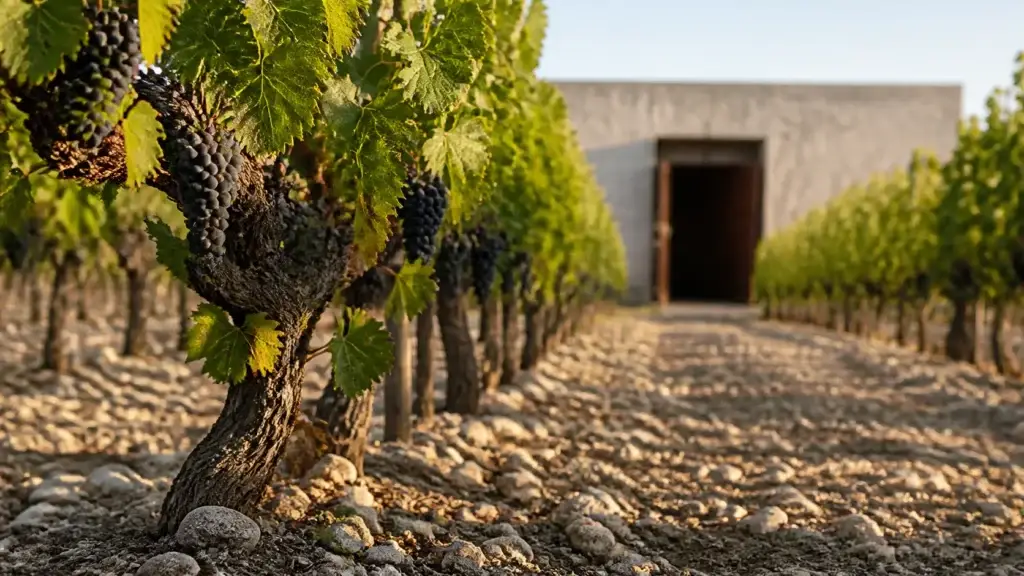
AI-generated editorial visualization of Use Maipo for historic proximity to Santiago.

First visits, shorter stays and travelers wanting one serious wine chapter without another hotel

Use Maipo for historic proximity to Santiago

Maipo's established vineyards and Cabernet identity can form a coherent day with a professional driver and one or two focused appointments.

Worth knowing

City traffic and appointment timing can still consume the day, and proximity encourages over-scheduling.
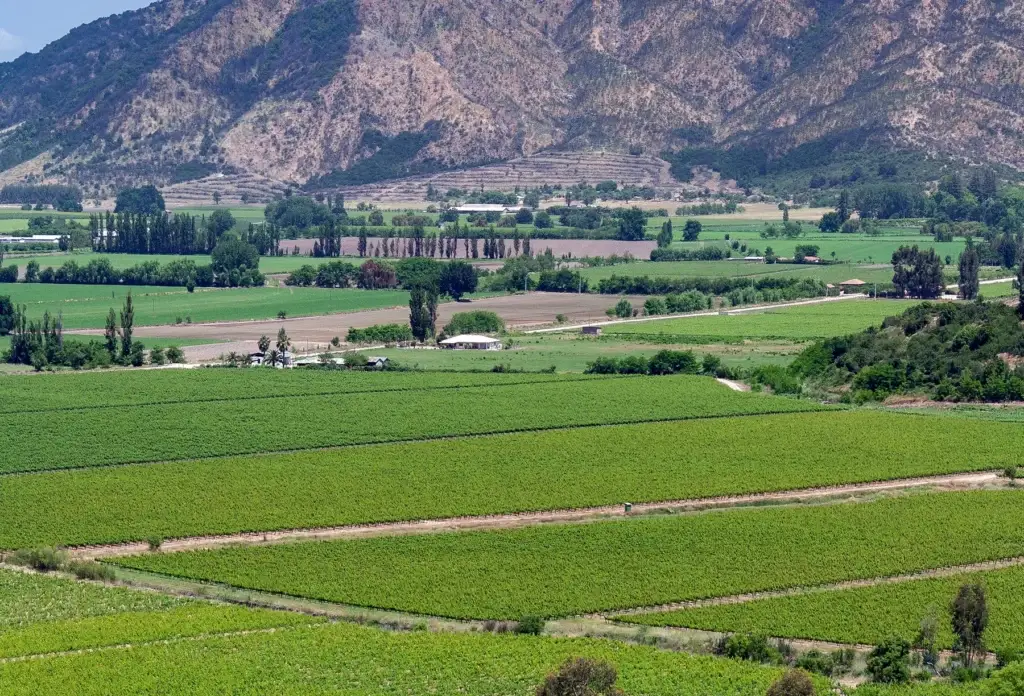
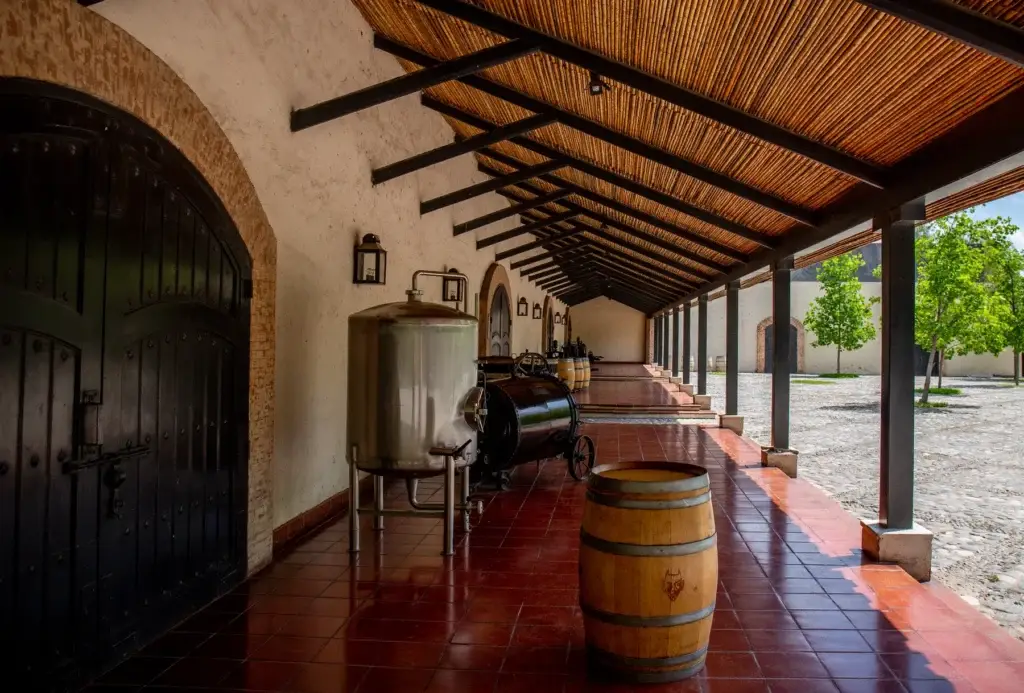
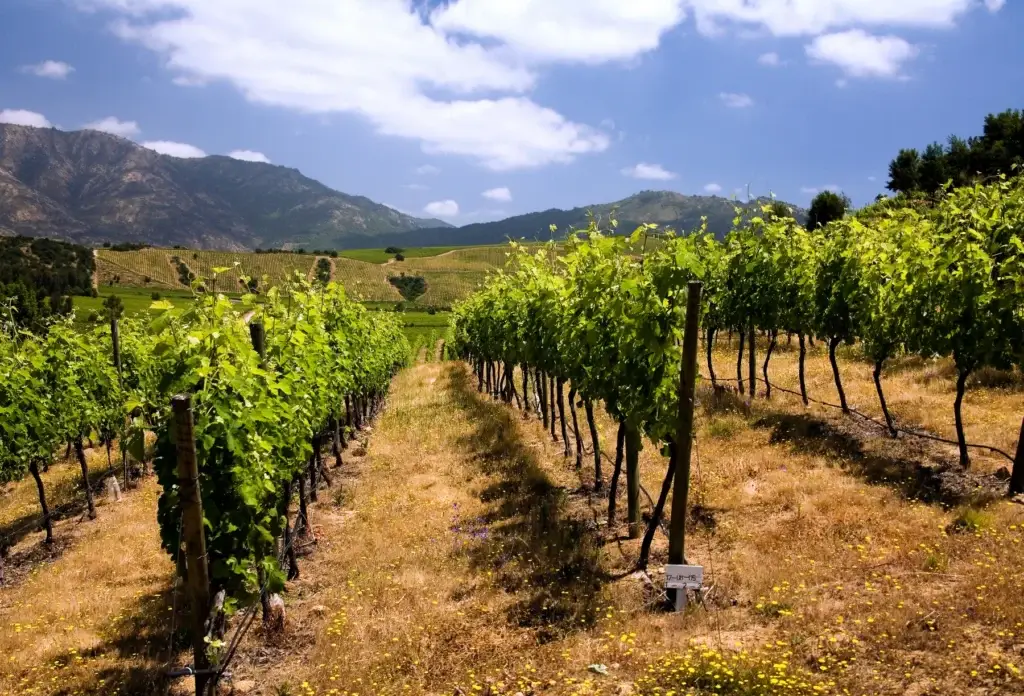
AI-generated editorial visualization of Stay in Colchagua for rural destination depth.

Couples, repeat visitors and travelers who value landscape, food and slower producer access

Stay in Colchagua for rural destination depth

A Colchagua base protects morning and evening rural time while reducing the pressure of a same-day Santiago return.

Worth knowing

It requires another check-in, and private tastings, museums, funiculars or observatory access remain venue-specific.

Wine learners with 5 to 6 nights and interest in historic Cabernet, Carménère or regional contrast

Combine both only through a clear comparison

Use one consistent question across Maipo and Colchagua, such as water, site, vine age or cellar method, so the second valley adds understanding.

Worth knowing

Without an editorial question, the journey becomes repetitive tasting and long road time.

Non-drinkers, mixed-interest groups and travelers protecting sleep or medications

Build a complete alcohol-free path

Use vineyard ecology, architecture, food, history and non-alcoholic pairings as full experiences rather than consolation options.

Worth knowing

Some venues may not yet offer a mature alcohol-free progression, so confirmation is essential.

A considered introduction

Maipo is the practical first choice for travelers who want a historic Cabernet-focused context near Santiago without changing hotels. Colchagua, roughly farther south around Santa Cruz and surrounding vineyards, offers stronger destination logic for a two- or three-night rural stay.

Four nights support one Santiago-linked Maipo day and two nights in Colchagua. Five or six allow slower agriculture, food, landscape and a complete alcohol-free sequence. Casablanca remains part of the existing Santiago, Valparaíso and Casablanca guide and is excluded here.

Advisor note

Advisor perspective: I would choose one learning question per valley, use a professional driver from the first tasting onward and reserve no more than one principal producer or meal per half day. VH Luxe Travels can coordinate preferred-partner value and tailored arrangements where applicable, with every producer, host, transfer, meal and private format confirmed before travel.

What stays with you

Signature experiences

SANTIAGO, CHILE - NOV 29, 2018: Concha y Toro Mansion and Vineyard

Wine history

Read one historic Maipo property from archive to vineyard

Use a historian, agronomist or winemaker to connect land, irrigation, architecture and production, with any archive or private access described only when confirmed.

AI-generated editorial visualization of Follow one Maipo vineyard question into the cellar.

Terroir and method

Follow one Maipo vineyard question into the cellar

Compare soil, water, exposure and cellar choices through one exact site rather than relying on reputation or a label tasting.

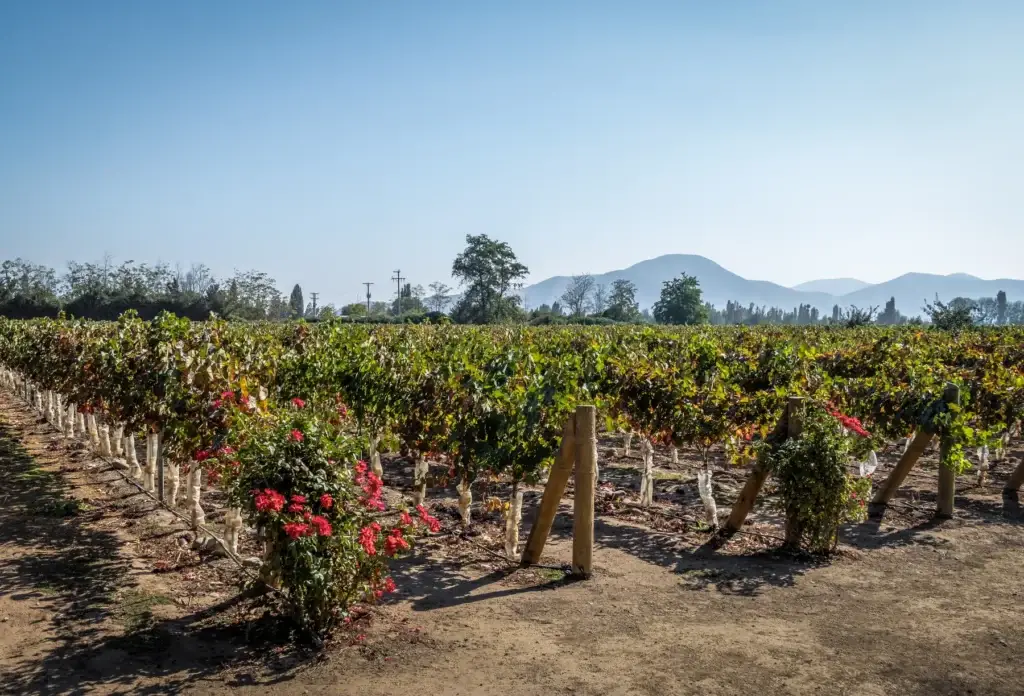
AI-generated editorial visualization of Give Colchagua time beyond the tasting room.

Rural landscape

Give Colchagua time beyond the tasting room

Use a named grower, naturalist or agricultural specialist to connect vineyards with the wider valley, seasonal work and rural communities.

AI-generated editorial visualization of Build one Colchagua meal around origin and appetite.

Seasonal table

Build one Colchagua meal around origin and appetite

Choose a chef or producer-led meal with regional ingredients, water and a complete alcohol-free progression, then leave the next interval open.

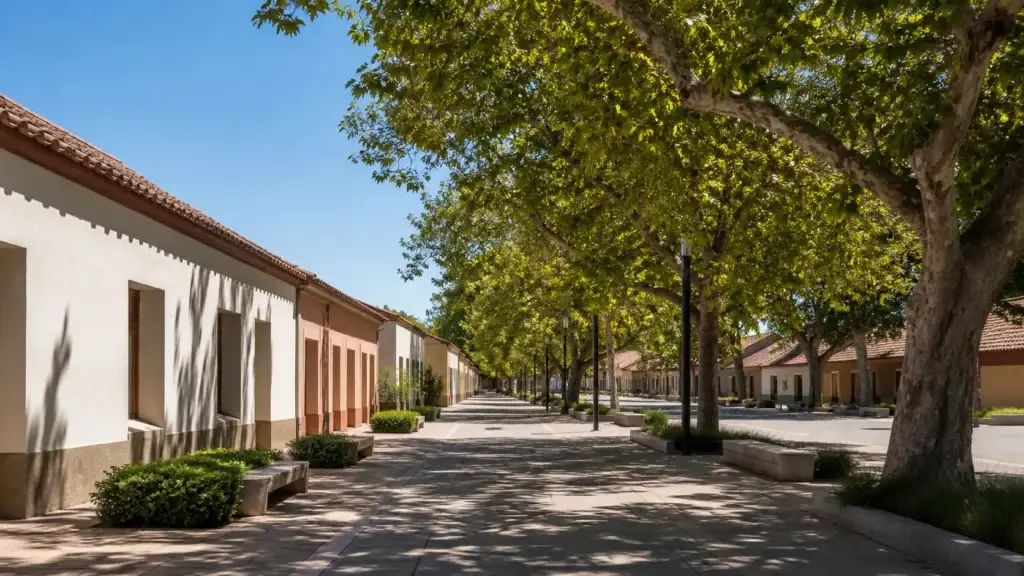
AI-generated editorial visualization of Use Santa Cruz cultural context selectively.

Culture and collection

Use Santa Cruz cultural context selectively

Choose a current museum, heritage or public cultural chapter that adds regional history, confirming opening and interpretation rather than bundling it automatically with wine.

Travel restored

What makes Maipo and Colchagua Wine Country, Chile a wellness destination?

What makes Maipo and Colchagua a wellness destination?

These valleys support restoration when vineyard movement, rural quiet, seasonal food and alcohol-free choice replace a tasting marathon. Wine itself is not a wellness or longevity intervention; the transformation comes from attention, moderation, professional transport and permission to abstain.

Wellness role
A meaningful restorative layer
Best for
Couples, executives, culinary travelers and mixed-interest groups who want wine-country meaning without tasting fatigue
Format
Vineyard movement, rural quiet, seasonal food, alcohol-free pairings and one meaningful appointment at a time
Ideal commitment
Professional transport, hydration, a complete alcohol-free route and protected recovery after each principal visit
Intensity
Gentle

For companions

Strong for non-drinkers and mixed groups when architecture, cultivation, food and landscape remain complete experiences without alcohol.

Seasonal lens

Spring and autumn generally support broader outdoor fit. Summer heat and harvest work require earlier movement, while winter favors cellar, history and food.

Understand cultivation before consumption

Vineyard ground walk

Walk a safe confirmed vineyard route with an agronomist who can explain water, soil, vine decisions and current field work.

Duration
45 to 75 minutes
Intensity
Gentle
Best for
Curious travelers and alcohol-free companions
Consider

Confirm heat, shade, gravel, slope and operations. This is agricultural learning, not treatment.

Protect time with no tasting or transfer

Rural quiet interval

Use a verified garden, terrace or lawful vineyard-edge setting for reading, rest or conversation.

Duration
60 to 120 minutes
Intensity
Gentle
Best for
Executives and travelers recovering from long meals
Consider

A private or silent setting requires confirmation. No sleep or stress result is promised.

Use appetite and origin instead of pairing volume

Seasonal table

Let a named chef or grower structure one measured meal with water and a complete non-alcoholic progression.

Duration
90 to 150 minutes
Intensity
Gentle
Best for
Culinary travelers and groups with different drinking preferences
Consider

Confirm dietary needs and non-alcoholic options. Alcohol is not a health intervention.

Preserve recall and next-day energy

One appointment rule

Anchor each half day with one focused specialist encounter, then leave enough room for food, water, movement and rest.

Duration
One edited day
Intensity
Gentle
Best for
Travelers who value learning over volume
Consider

Alcohol affects people differently and can interact with medical conditions or medications. Individual questions belong with a clinician.

The takeaway is to make fewer choices with greater attention and to make abstaining a complete way to experience wine country. Alcohol is not a wellness, sleep, biomarker or longevity intervention.

Timing the journey

When to go

The valleys operate year-round, with harvest activity generally concentrated from late summer into autumn and spring offering green vineyard movement. Heat, harvest work, producer calendars and event dates vary. Every appointment and outdoor plan requires current confirmation.

Feb · Mar · Apr

Best

Harvest and autumn transition

Weather
Warm days, active production and changing vineyard color require producer-specific timing and heat planning.
Crowds
Harvest work and events compress specialist availability and rooms.
Best for
Cultivation, current production and seasonal tables with measured pacing.

May · Jun · Jul · Aug

Conditional

Winter cellar season

Weather
Cooler, shorter days and dormant vines favor indoor method, history and food.
Crowds
Demand may ease outside holidays, while some outdoor or small-format operations narrow.
Best for
Cellar learning, architecture, museums and destination dining.

Sep · Oct · Nov · Dec · Jan

Best

Spring and summer growth

Weather
Increasing heat, strong sun and active field work favor early walks and protected afternoons.
Crowds
Holiday demand and event dates require early reservations.
Best for
Vineyard ecology, landscape, food and contrasting Maipo-Colchagua stays.

Harvest dates, winery operations, events, heat, roads, smoke and producer calendars change. Reconfirm every appointment, meal, transfer and outdoor route close to travel.

Value, clearly framed

Understanding trip value

Custom quote based on exact dates, air cabin, accommodation, professional transfers, qualified guidance, admissions, confirmed experiences, accessibility and cancellation terms. No public package price is stated.

What shapes the guidance

4 to 6 nights for two travelers; SCL gateway, Santiago and Colchagua bases as selected, professional transfers, qualified specialists and confirmed producer or dining appointments priced at proposal stage.

Journey logistics

Arrive well

SCL and Santiago are the natural gateway. Maipo can be reached as a reserved out-and-back day from the capital, while Colchagua should be treated as a destination transfer with its own property and return plan. Tasting and self-driving should never be combined.

Primary gateway Arturo Merino Benítez International Airport, Santiago (SCL)

Premium commercial air

Arrive through Santiago

Confirmed domestic or international originArturo Merino Benítez International Airport (SCL)

Scheduled air followed by reserved city or valley transfer

Confirm flight, baggage, assistance, driver meeting point and whether the first night is Santiago or wine country.

Final transfer

Use Maipo as a focused Santiago-linked day

Confirmed Santiago propertyExact Pirque, Buin or Alto Maipo producer

Professional chauffeured transfer

Reserve every appointment and meal. Traffic, producer access, harvest and exact addresses change the day. Do not self-drive after tasting.

Final transfer

Make Colchagua a destination stay

Santiago, SCL or MaipoExact Colchagua or Santa Cruz property

Reserved professional driver

Treat the journey as a destination transfer, not a casual late return. Confirm road, meal, driver hours and the exact rural address.

Access and mobility

Confirm vehicle step height, gravel, vineyard slopes, cellar stairs, ramps, accessible washrooms, shade, heat, tasting-room seating, dietary needs and emergency support with each property. A modern tasting room does not prove the vineyard or production route is accessible.

Before you go

Practical planning notes

Reservations

Keep Casablanca separate

Casablanca belongs in the existing Santiago-Valparaíso-Casablanca guide and is outside this route.

Reservations

Use a professional driver

Tasting and self-driving should never be combined.

Reservations

Choose a question, not a list

One agricultural or method question creates more value than repeated labels and pours.

Reservations

Make abstaining complete

Confirm alcohol-free drinks, food and interpretation before each appointment.

The VH Luxe approach

How VH Luxe composes the journey

  1. Begin with Santiago or SCL logistics

    Recover from arrival and confirm the first valley's driver, exact address and appointment purpose.

  2. Use one focused Maipo day

    Connect history, vineyard and cellar through one clear question without over-scheduling.

  3. Move to Colchagua as a destination

    Protect the rural transfer and settle before the principal valley program.

  4. Balance grower, table and open time

    Use one agricultural or cultural chapter and preserve an alcohol-free afternoon or evening.

Paramjit Harika, VTA, CTA

Advisor-led planning

Your journey, personally considered

Paramjit Harika

Founder & Luxury Travel Advisor

I coordinate your hotel and room, premium air, transfers and key experiences as one considered journey, with one point of contact from planning through travel.

Good to know

Frequently asked questions

How many nights do you need for Maipo and Colchagua?

Allow 4 nights for a Santiago-linked Maipo day and short Colchagua stay, or 5 to 6 for deeper rural pacing.

Can Maipo be visited from Santiago?

Yes. Maipo can work as a focused day with a professional driver, but traffic and exact vineyard addresses require generous timing.

Is Colchagua worth an overnight stay?

Yes when rural landscape, destination dining and slower producer context matter. A stay prevents the valley from becoming a long return drive.

Is Casablanca included in this guide?

No. Casablanca remains part of the existing Santiago, Valparaíso and Casablanca guide to avoid overlap.

Can non-drinkers enjoy the route?

Yes when vineyard ecology, architecture, food, history and non-alcoholic pairings are confirmed as complete experiences.

Is wine a wellness or longevity experience?

No. Alcohol is not a health intervention. Wellness here means professional transport, moderation or abstention, movement, food and protected recovery.