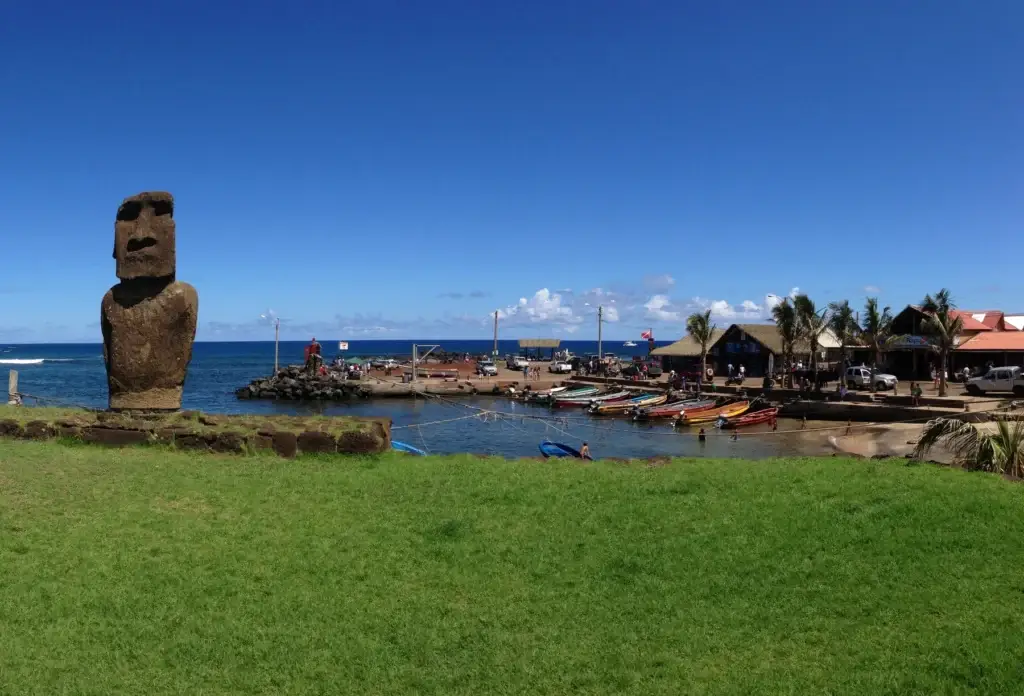
The VH Luxe destination guide

Rapa Nui, Chile

Last updated 14 August 2026

Let Rapa Nui authority, island time and respectful guidance shape the journey before the sites.

Recommended stay

5–

7 nights

Best time

Rapa Nui is year-round, but seasonal rain, wind, heat, daylight and event demand affect site timing and recovery. The park currently publishes different summer and winter hours. Current site access and local schedules always override generic season advice.

Primary gateway

Mataveri International Airport (IPC)

Journey context

Allow 5 nights for a responsible first visit, or 6 to 7 for weather resilience, community-led context and unprogrammed island time.

Curator’s verdict

Rapa Nui is a living Polynesian homeland, not an archaeological theme park. Ma'u Henua requires a park ticket and accredited guide for park entry, while Chile applies additional arrival documentation. The strongest visit gives those rules, local interpretation and island recovery the same importance as any monument.

Choose well

How should park interpretation, living culture and recovery be balanced on Rapa Nui?

Begin with Ma'u Henua rules and an accredited guide. Then choose a site sequence, community-led chapter and open island interval that respect current authority and the traveler's energy.

AI-generated editorial visualization of Use Hanga Roa as the single practical base.

First visits, families and travelers who value simple logistics

Use Hanga Roa as the single practical base

One base protects arrival documents, park departures, dining and recovery without turning the island into a hotel-hopping route.

Worth knowing

Daily drives still require careful sequence, and no property location grants special archaeological access.
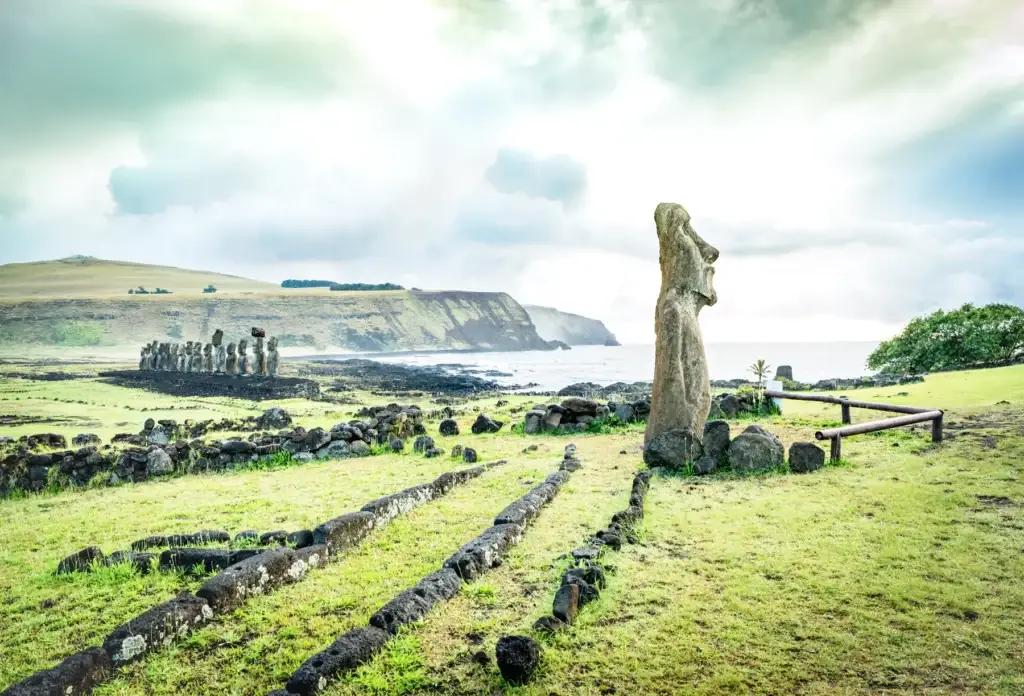

AI-generated editorial visualization of Let the accredited guide design the park sequence.

Cultural travelers who want history and landscape interpreted together

Let the accredited guide design the park sequence

A Ma'u Henua-accredited guide can structure currently open sites around meaning, distance and local rules rather than a photo checklist.

Worth knowing

A private vehicle or early start does not override park hours, paths, ticket controls or repeat-entry rules.

Travelers interested in language, making, food or contemporary island life

Include living culture only through named hosts

A community-led program can place heritage in the present when hosts define the activity, language, consent and photography.

Worth knowing

A performance, ceremony, workshop or private home is never assumed, and visual appearance is not proof of cultural role.

Long-haul travelers, executives and anyone sensitive to heat or stimulation

Keep one unprogrammed island interval

A free half day in Hanga Roa or another lawful public setting helps the island feel inhabited rather than consumed.

Worth knowing

Open time is not permission to enter park sites, archaeological areas or private land without the required authority.

A considered introduction

Hanga Roa is the single practical base, but park days should be sequenced by an accredited Ma'u Henua guide and current site rules. Rano Raraku, Ahu Toŋariki and 'Ōroŋo are not interchangeable scenic stops, and the guide must decide the order and depth.

Five nights create a responsible first visit; six or seven add weather resilience, community-led activity and a genuine open interval. Tickets, guide requirements, site openings, commercial photography restrictions and mainland entry documents must be refreshed before travel.

Advisor note

Advisor perspective: I would engage an accredited Rapa Nui guide before building the site sequence, protect time in Hanga Roa and use only community-confirmed cultural experiences. VH Luxe Travels can coordinate preferred-partner value and tailored arrangements where applicable, with every ticket, guide, site, photography term, transfer and private format confirmed before travel.

What stays with you

Signature experiences

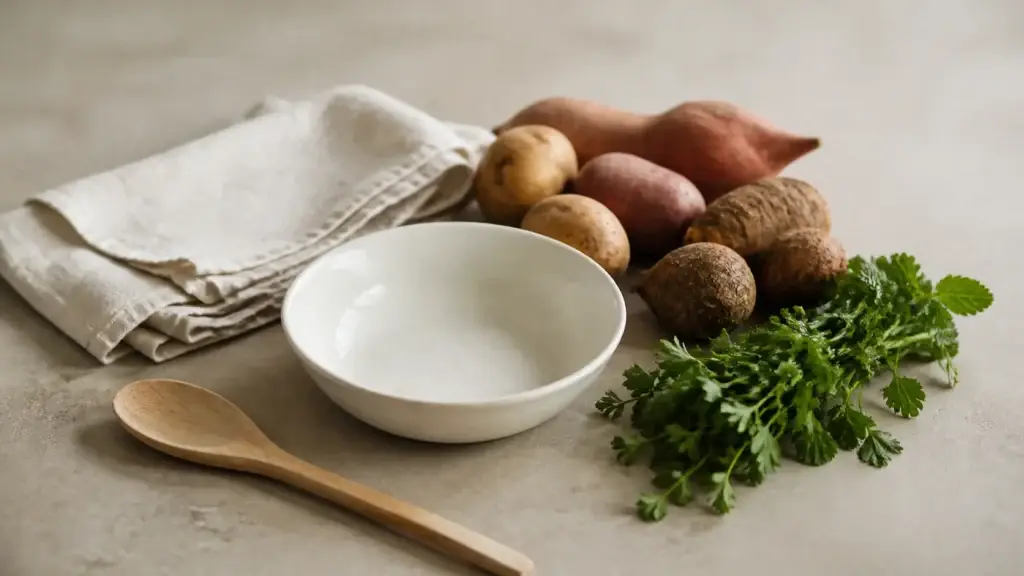
AI-generated editorial visualization of an anonymous off-site travel-orientation still life; it does not depict Ma'u Henua, a guide, park orientation, community authority, a real program, or current access.

Community authority

Begin with Ma'u Henua-guided park orientation

Let an accredited Rapa Nui guide explain current rules, site sequence and the community's role in protecting the park before the itinerary turns to individual places.

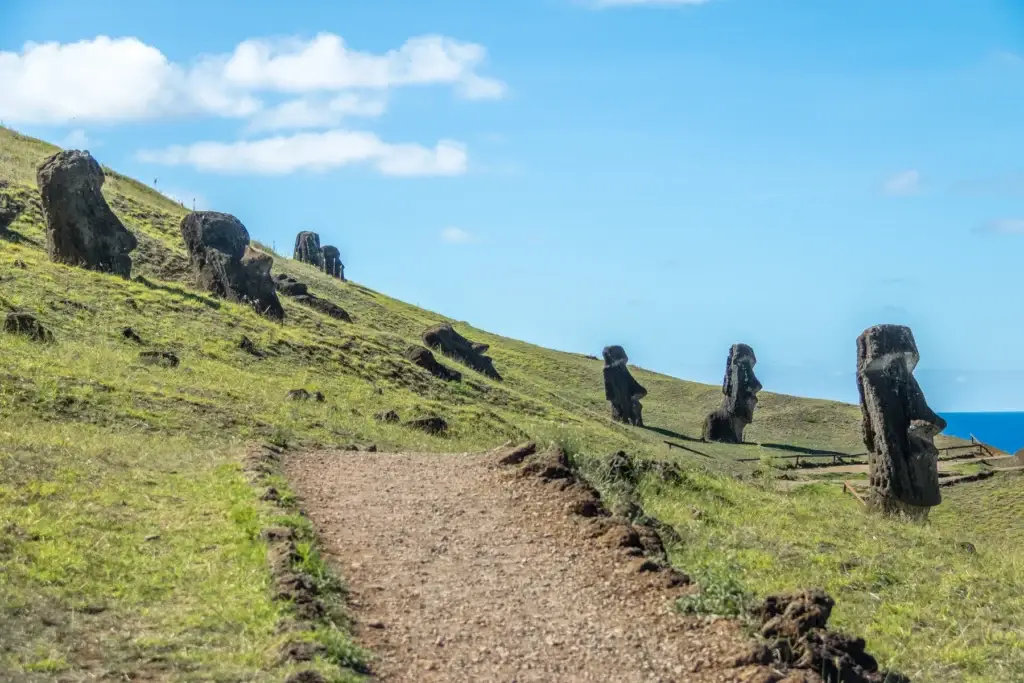
Exact rights-ready Rano Raraku or Ahu Toŋariki documentary landscape

Archaeological landscape

Read Rano Raraku and Ahu Toŋariki as related places

When open, use the accredited guide's sequence to connect quarry, transport, ahu and conservation without touching, climbing or inventing certainty beyond supported interpretation.

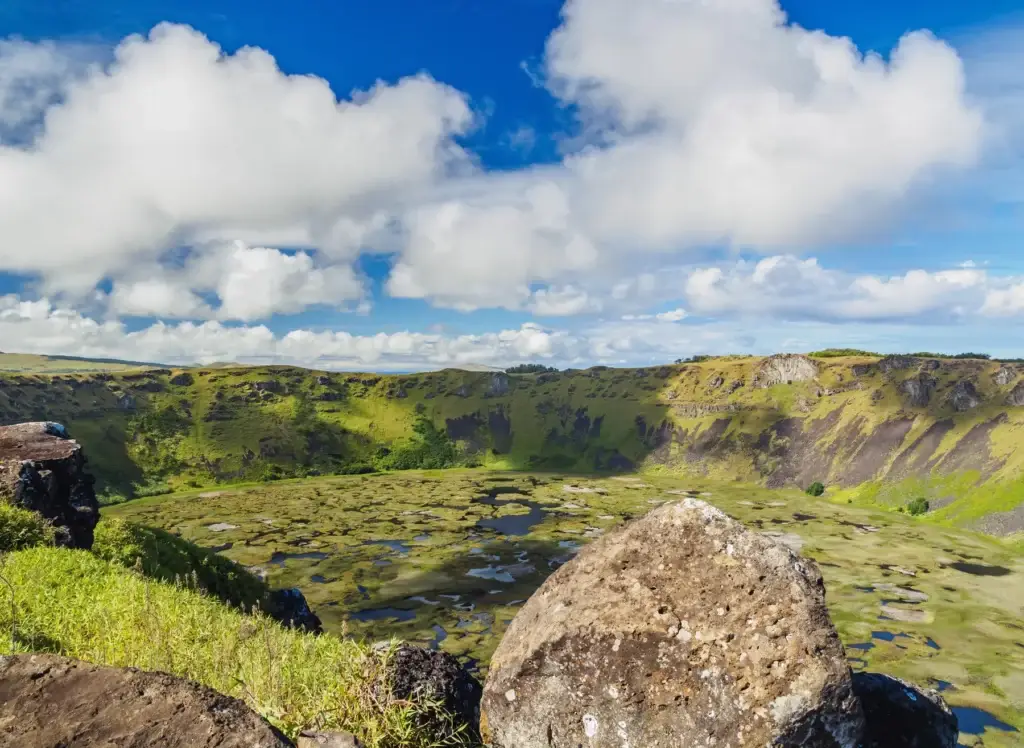
Exact rights-ready Rano Kau or 'Ōroŋo public documentary view

Ceremonial landscape

Approach Rano Kau and 'Ōroŋo through current rules

When lawfully open, let a qualified Rapa Nui guide connect landscape and history while staying on paths and respecting restrictions on access and photography.

AI-generated editorial visualization of Choose one named community-led language, food or making chapter.

Living Rapa Nui

Choose one named community-led language, food or making chapter

Arrange only a current host-defined program, with consent, preferred terminology, authorship, photography and any private format confirmed directly.

AI-generated editorial visualization of Use MAPSE or its current community programs only when operating.

Museum and memory

Use MAPSE or its current community programs only when operating

The museum's official page reports a closure, so confirm any reopening or off-site program before including it and treat the institution's own account as the source.

Travel restored

What makes Rapa Nui, Chile a wellness destination?

What makes Rapa Nui a wellness destination?

Rapa Nui supports transformation by replacing speed with guided attention, ocean scale and responsibility to a living cultural landscape. The lasting shift is learning that restraint, permission and listening can make an experience deeper than access.

Wellness role
A meaningful restorative layer
Best for
Cultural travelers, couples and executives who value meaning, quiet and a guided relationship to place
Format
Accredited interpretation, ocean-horizon pauses, heat-aware pacing and community-led context
Ideal commitment
One principal park sequence per day, one open interval and full compliance with Ma'u Henua authority
Intensity
Gentle

For companions

Strong for mixed-interest travelers because history, landscape and quiet can share one base while movement is adjusted site by site.

Seasonal lens

Year-round with heat, rain, wind and daylight considered daily. Current park hours and local events determine actual access.

Let local authority slow the pace

Guided attention

Begin each park day with the accredited guide's explanation of why the route, boundaries and rules matter.

Duration
Across one site sequence
Intensity
Gentle
Best for
Cultural travelers and first visits
Consider

Interpretation belongs to the guide and responsible sources. Do not turn oral history into universal fact without permission.

Use island scale without adding a site

Ocean-horizon interval

Choose a lawful public coastal or Hanga Roa setting for quiet observation, reading or conversation.

Duration
30 to 90 minutes
Intensity
Gentle
Best for
Long-haul travelers and overstimulated guests
Consider

Confirm public access, weather and safe boundaries. This is not a clinical stress or sleep intervention.

Protect energy and attention

Heat-aware site rhythm

Schedule shade, water and seated recovery between currently open sites rather than forcing a full-day monument circuit.

Duration
Across one park day
Intensity
Gentle
Best for
Families, older travelers and heat-sensitive guests
Consider

Sun, wind, rain and volcanic ground can be demanding. Medical concerns belong with a qualified clinician.

Carry home a practice of consent and listening

Host-defined cultural chapter

Join one named food, language or making program only when the Rapa Nui host defines the format and what may be photographed or repeated.

Duration
60 to 150 minutes
Intensity
Gentle
Best for
Travelers seeking contemporary context
Consider

No ceremony, regalia, sacred knowledge, private home or cultural role is assumed. Participation and documentation require consent.

The takeaway is to ask permission, listen longer and recognize that limits protect meaning. No ocean, food, plant, ceremony, spa, site or cultural practice is presented as a medical or longevity intervention.

Timing the journey

When to go

Rapa Nui is year-round, but seasonal rain, wind, heat, daylight and event demand affect site timing and recovery. The park currently publishes different summer and winter hours. Current site access and local schedules always override generic season advice.

Dec · Jan · Feb · Mar

Conditional

Summer operating hours and warmer days

Weather
Longer park hours can coincide with stronger heat, sun, rain and event demand.
Crowds
Peak travel and local events can compress flights, guides and rooms.
Best for
First visits with early starts, recovery and confirmed site sequence.

Apr · May · Jun · Jul · Aug · Sep · Oct · Nov

Best

Winter-hours period

Weather
Shorter official park hours combine with variable rain, wind and cooler periods.
Crowds
Demand varies, while limited flight and guide inventory still requires planning.
Best for
Cultural depth, lower daily site count and a weather-resilient stay.

Flights, entry controls, park hours, site openings, guide availability, weather, events and photography rules change. Reconfirm through Chile and Ma'u Henua immediately before travel.

Value, clearly framed

Understanding trip value

Custom quote based on exact dates, air cabin, accommodation, professional transfers, qualified guidance, admissions, confirmed experiences, accessibility and cancellation terms. No public package price is stated.

What shapes the guidance

5 to 7 nights for two travelers; IPC gateway, one Hanga Roa base, current entry documents, park tickets, Ma'u Henua-accredited guidance and confirmed host-led programs priced at proposal stage.

Journey logistics

Arrive well

Flights operate through mainland Chile, and Rapa Nui has additional entry controls. Current official guidance requires the Single Entry Form within the stated window, a qualifying return ticket and registered accommodation or an authorized invitation. Reconfirm every document before departure.

Primary gateway Mataveri International Airport (IPC)

Premium commercial air

Fly from mainland Chile to Rapa Nui

Santiago or another currently authorized originMataveri International Airport (IPC)

Scheduled air followed by a reserved Hanga Roa transfer

Confirm live flight, baggage, return date, entry form, qualifying accommodation and all current Law 21.070 requirements.

Final transfer

Enter the park with Ma'u Henua requirements

Hanga RoaCurrently open Rapa Nui National Park sites

Reserved vehicle with an accredited Ma'u Henua guide and valid park ticket

Ticket, accredited guide, opening, route, repeat-entry rules, photography and local authority instructions must all be current.

Final transfer

Keep non-park time in Hanga Roa and lawful public areas

Confirmed Hanga Roa propertyExact community, coast or cultural venue

Reserved local vehicle or lawful walking route

Confirm venue, host, public access, consent, photography and operating hours. Do not enter archaeological areas without required guidance.

Access and mobility

Confirm aircraft assistance, vehicle step height, uneven volcanic ground, sun, wind, rain, path boundaries, site restrooms, seating and the exact guide route. The park notes restrooms at only selected sites, and protected archaeological terrain cannot be modified for an assumed private route.

Before you go

Practical planning notes

Reservations

Complete the additional entry controls

Rapa Nui requires current documents beyond a standard mainland Chile arrival.

Reservations

Ticket plus accredited guide

Ma'u Henua states that both are mandatory for entry to the national park.

Reservations

Respect paths and image rules

Do not touch or climb moai, leave paths, use drones or conduct commercial photography without permission.

Reservations

Use first voice

Rapa Nui people, language, history and cultural practice require community authority rather than outside invention.

The VH Luxe approach

How VH Luxe composes the journey

  1. Arrive and orient in Hanga Roa

    Recover from the flight, reconfirm documents, meet the accredited guide and review current park rules.

  2. Follow the guide's principal site sequence

    Use the relationship among sites rather than collecting isolated monument images.

  3. Add one host-defined living-culture chapter

    Confirm consent, terms and preferred language directly with the named Rapa Nui host.

  4. Protect an open island interval

    Leave time for Hanga Roa, coast and reflection without unauthorized entry into protected or private areas.

Paramjit Harika, VTA, CTA

Advisor-led planning

Your journey, personally considered

Paramjit Harika

Founder & Luxury Travel Advisor

I coordinate your hotel and room, premium air, transfers and key experiences as one considered journey, with one point of contact from planning through travel.

Good to know

Frequently asked questions

How many nights do you need on Rapa Nui?

Allow 5 nights for a responsible first visit, or 6 to 7 for weather resilience, community-led context and unprogrammed time.

Is a guide mandatory in Rapa Nui National Park?

Ma'u Henua states that a park ticket and an accredited guide are mandatory for entry. Reconfirm current site and repeat-entry rules.

What documents are required to enter Rapa Nui?

Current Chile guidance requires identification, a Single Entry Form within the stated window, a qualifying return ticket and registered accommodation or an authorized invitation. Refresh the list before travel.

Can visitors touch moai or use drones?

No. Park rules prohibit touching or climbing moai and prohibit drones. Commercial photography or filming requires permission.

Is the Rapa Nui museum open?

The official MAPSE page reports that its facilities have been closed since July 2024. Confirm any reopening or current off-site program directly before including it.

How should living Rapa Nui culture be included?

Use a named community-led food, language or making program whose host defines the format, terminology, authorship and photography. No ceremony, home or cultural role is assumed from appearance.