The VH Luxe destination guide

The Pantanal, Brazil

Last updated 14 August 2026

Choose the wetland, the season and the field ethic before choosing the lodge.

Recommended stay

4–

8 nights

Best time

Choose by region, hydrological phase and traveler tolerance rather than a universal best month. Recheck flood, drought, fire, smoke, heat, road, river and operator conditions close to travel.

Primary gateway

Cuiabá for many northern routes; Campo Grande or Corumbá for many southern routes

Journey context

Four nights can support one region. Six to eight allow weather and wildlife flexibility without forcing northern and southern Pantanal into one trip.

Curator’s verdict

The Pantanal is most rewarding when the plan follows water and habitat, not a promised list of animals.

Choose well

Which Pantanal operating region fits?

Choose north or south, then assess the road, river, climate and field ethic of the exact lodge and operator.

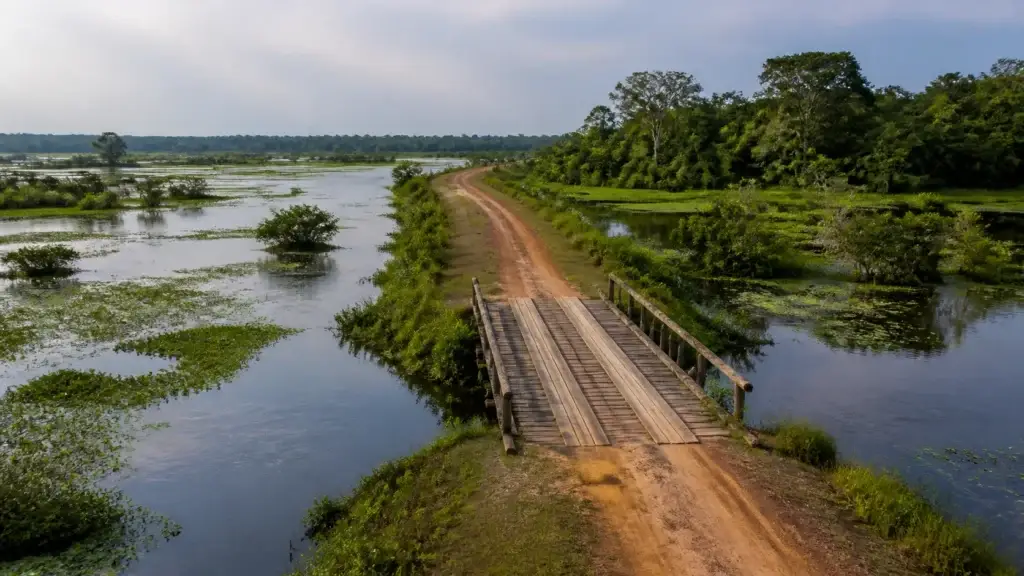
AI-generated editorial visualization of Northern Pantanal, Mato Grosso.

Wildlife-focused travelers comfortable with long road and boat days

Northern Pantanal and Porto Jofre corridor

Use the Transpantaneira and a responsibly operated river or lodge base to interpret habitat across changing water conditions.

Worth knowing

Jaguar and other sightings are never guaranteed, and river crowding or unethical observation must be rejected.
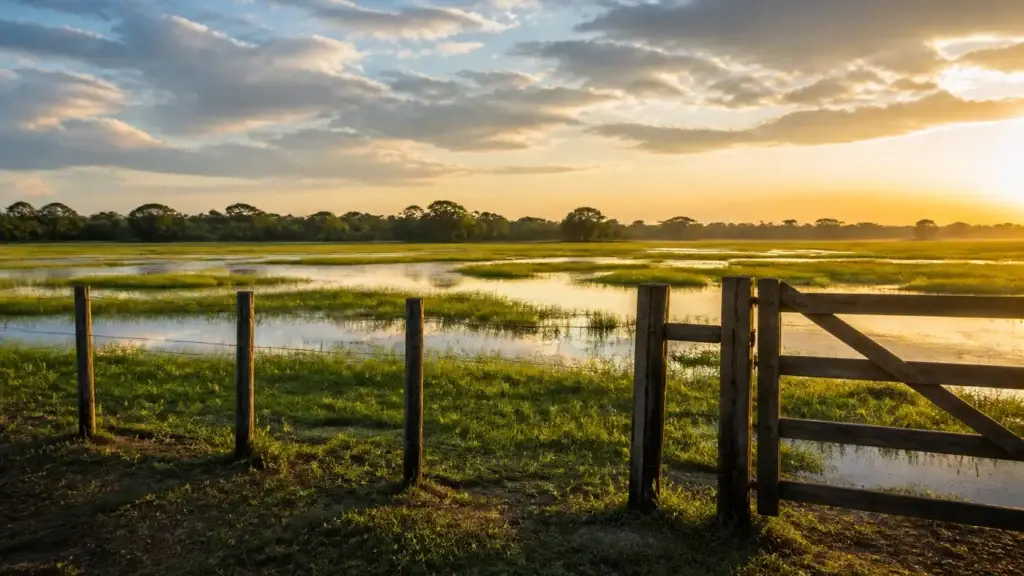
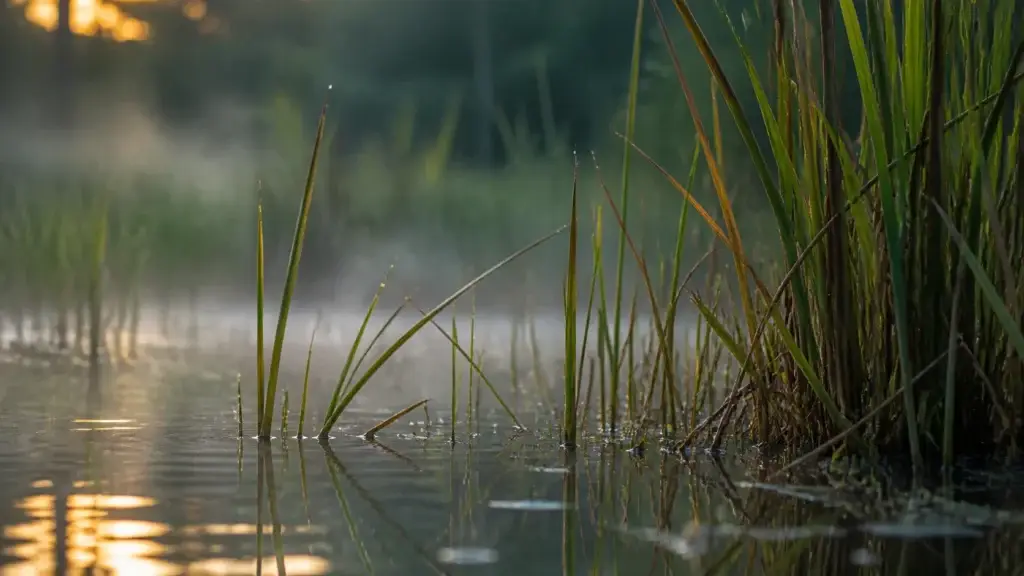
AI-generated editorial visualization of Southern Pantanal, Mato Grosso do Sul.

Travelers seeking a broader mix of wetland ecology, ranch history and varied access

Southern Pantanal working-landscape circuit

Choose one appropriate southern base and let local conditions shape drives, walks, horse routes and water time.

Worth knowing

Distances and product standards vary, and cultural interpretation needs accountable local hosts.

Families, multigenerational groups and travelers prioritizing recovery

Short, conservative single-lodge stay

Select one lodge with strong naturalist and safety standards, then use short dawn and late-day outings.

Worth knowing

A gentler pace may reduce geographic range, and no lodge can remove environmental uncertainty.

Experienced naturalists and photographers who accept uncertainty

Specialist field journey

Use a conservation-minded guide, ethical distance and flexible hours to study habitat and behavior rather than collect sightings.

Worth knowing

Heat, boats, roads, limited infrastructure and long quiet waits can be demanding.

A considered introduction

The Pantanal is a seasonal wetland system, not one lodge corridor. Northern and southern routes use different gateways, roads, rivers and operating patterns, and they should not be combined casually. Flood, drought, heat, smoke and fire can alter access. A high-quality guide interprets habitat and behavior while rejecting baiting, calling, chasing, crowding and guaranteed sightings, including jaguar promises.

Advisor note

VH Luxe Travels can coordinate qualified naturalists, compliant transport and tailored arrangements where applicable, with wildlife ethics, current access and emergency planning reconfirmed before travel.

What stays with you

Signature experiences

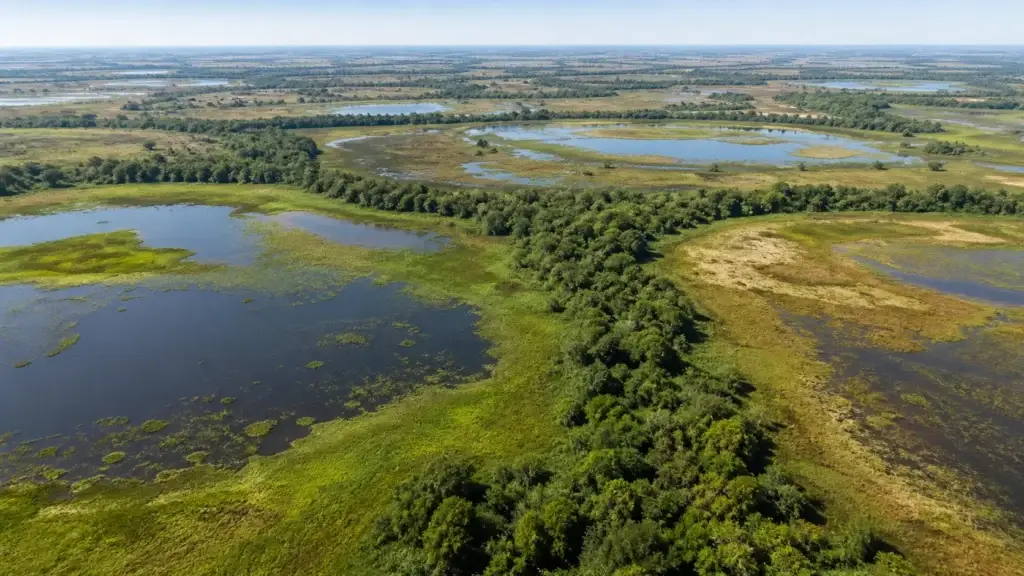
AI-generated editorial visualization of Pantanal, Brazil.

Wildlife and habitat

Begin with a dawn habitat reading

Use a qualified naturalist to interpret water, grassland, gallery forest and tracks before looking for any named animal. No sighting is promised.

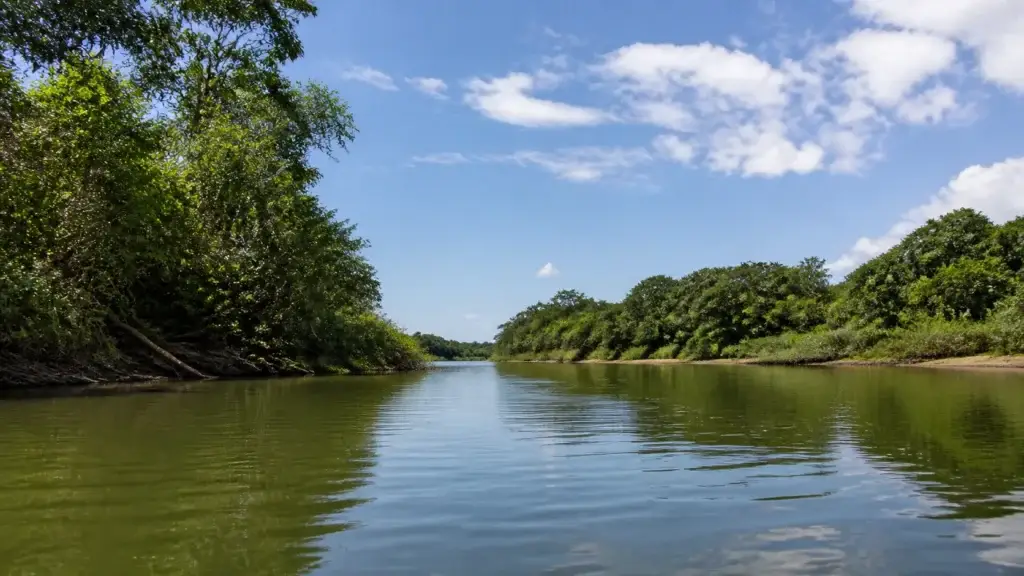
AI-generated editorial visualization of Pantanal river, Brazil.

River

Navigate at wildlife-safe speed

Use a compliant boat and guide who keeps distance, limits crowding and rejects baiting, calling or pursuit. Route and water conditions remain conditional.

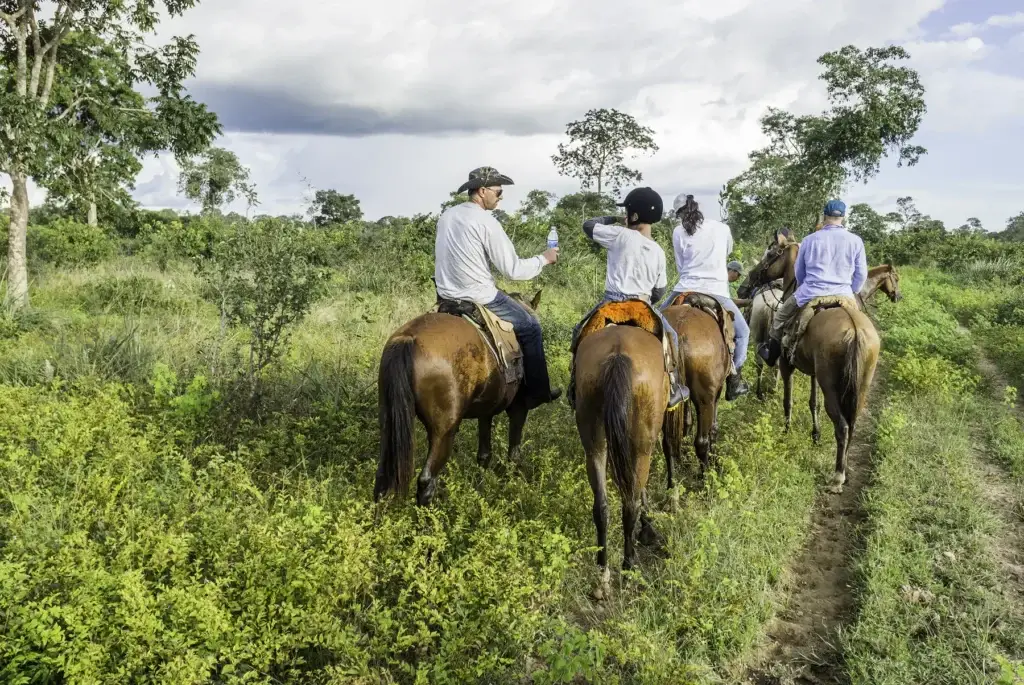
Mato Grosso, Brazil - Circa March 2014 - Tourists Ride Horses In The Pantanal. The Pantanal Is The

Working landscape

Understand one pantaneiro horse tradition

If currently offered by an accountable local host, choose an ability-matched horseback interval that explains wetland movement and working culture without staging people or unsafe riding.

AI-generated editorial visualization of Pantanal, Brazil.

Science

Read the pulso das águas

Arrange a hydrology or conservation briefing that explains how seasonal water, drought and fire shape habitat and livelihoods. Keep claims tied to current local evidence.

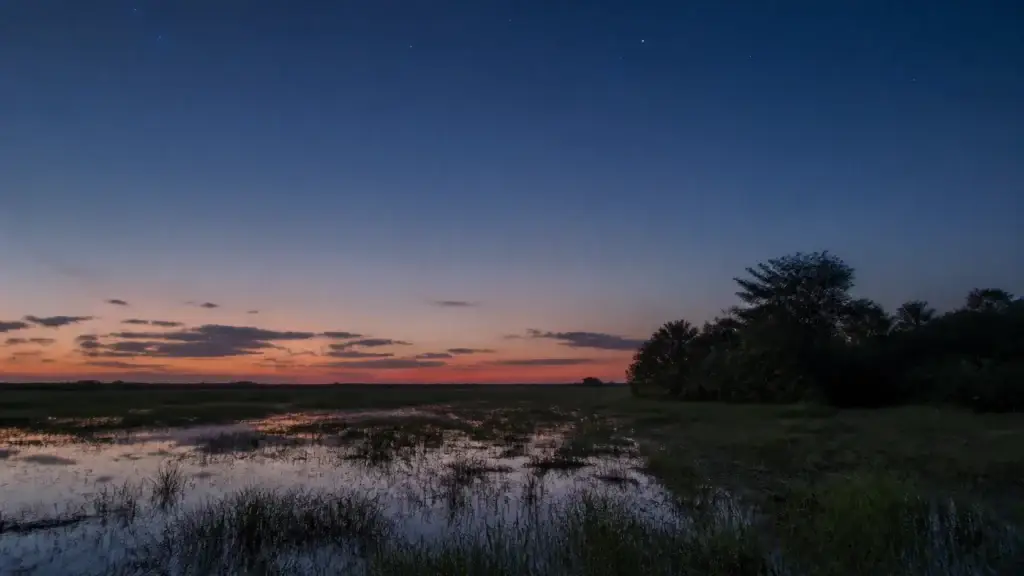
AI-generated editorial visualization of Pantanal, Brazil.

Sound and sky

Let night remain mostly unseen

Use a safe lodge platform or short guided interval for sound and dark-sky attention. Do not use playback, chase nocturnal animals or fabricate a wildlife encounter.

Travel restored

What makes The Pantanal, Brazil a wellness destination?

What makes the Pantanal a wellness destination?

The Pantanal turns patience into practice: the pulso das águas sets the route, ethical waiting replaces a wildlife checklist and a tereré pause protects conversation. No sighting or medical outcome is promised; the durable shift is learning to read habitat before demanding spectacle.

Wellness role
A meaningful restorative layer
Best for
Travelers who value patient observation, lower digital stimulation and conservation meaning
Format
Four concise, expert-led pathways grounded in local place and practice
Ideal commitment
Two short field windows most days, with protected midday recovery
Intensity
Moderate

For companions

Qualified naturalist, accountable pantaneiro host or conservation specialist

Seasonal lens

Hydrology-specific and region-specific

Accept environmental timing

Pulso das águas

Learn how the wetland's seasonal water pulse changes routes, vegetation and livelihoods, then let current conditions decide the day's field plan.

Duration
One briefing plus daily observation
Intensity
Gentle
Best for
Travelers who want meaning behind the landscape
Consider

Hydrology varies by place and year; no single calendar guarantees conditions.

Practice patient attention

Silêncio de espera

Sit with a naturalist at an ethical distance, reading habitat and sound without calling, playback or pressure to produce a sighting.

Duration
30 to 75 minutes
Intensity
Gentle
Best for
Travelers seeking a repeatable attention practice
Consider

Wildlife may not appear; shade, hydration and safe positioning are required.

Understand movement through a working wetland

Comitiva cadence

If offered by a named accountable host, use a short ability-matched horse or ranch interval to learn how local expertise navigates water and land.

Duration
60 to 120 minutes
Intensity
Moderate
Best for
Travelers interested in living working-landscape knowledge
Consider

No staged labor or unsafe riding; welfare, helmets, heat and ability must be checked.

Carry home a social reset

Tereré pause

Tereré, a cold infusion of yerba mate widely shared in Mato Grosso do Sul and the region, can mark a quiet conversational pause with a local host.

Duration
15 to 30 minutes
Intensity
Gentle
Best for
Travelers who value small social rituals
Consider

Caffeine, shared-vessel hygiene and dietary guidance require personal judgment.

These pathways support attention and routine but do not diagnose, treat or prevent illness. Heat, smoke, bites, remote access, caffeine, horses and boats require individual review.

Timing the journey

When to go

Choose by region, hydrological phase and traveler tolerance rather than a universal best month. Recheck flood, drought, fire, smoke, heat, road, river and operator conditions close to travel.

May · Jun · Jul · Aug · Sep

Good

Drier and increasingly concentrated waters

Weather
Road access may improve in some sectors while heat, dust, drought, fire and smoke can rise.
Crowds
Wildlife-focused demand can be high in established corridors.
Best for
Travelers prioritizing field time who accept heat and ethical sighting uncertainty.

Oct · Nov

Conditional

Heat and transition

Weather
High heat and unstable fire or storm conditions require close monitoring.
Crowds
Lodge patterns vary by region.
Best for
Highly flexible travelers with strong health and contingency planning.

Dec · Jan · Feb · Mar · Apr

Good

Wetter and flood-responsive context

Weather
Rain and flooding reshape roads, boats and habitat differently across the wetland.
Crowds
Access constraints can reduce capacity.
Best for
Travelers interested in wetland hydrology and water-led landscapes.

Season labels are planning guidance, not a weather or access guarantee. Recheck current forecasts, protected-area rules, local events and operating conditions before travel.

Value, clearly framed

Understanding trip value

Custom quote based on exact dates, air cabin, accommodation, transfers, guides, current access and confirmed experiences. No public package price is stated.

What shapes the guidance

Editorial planning guidance only. Fares, fees, operating schedules, access, road conditions and arrangements must be quoted and reconfirmed for the exact travel dates.

Journey logistics

Arrive well

The gateway does not define the final travel time. Long roads, bridges, river transfers, daylight, rain, dust and fire conditions must be matched to the exact lodge and region.

Primary gateway Cuiabá for many northern routes; Campo Grande or Corumbá for many southern routes

Premium commercial air

Northern Pantanal

CuiabáTranspantaneira and the chosen northern lodge or Porto Jofre sector

air and road, with river transfer if applicable · 3h–10h

Road, bridge, dust, rain, daylight, fire and lodge location materially affect duration.

Premium commercial air

Southern Pantanal

Campo Grande or CorumbáChosen Miranda, Aquidauana or Corumbá operating area

air and road, rail or boat where currently appropriate · 2h–10h

Exact lodge, road, river and seasonal conditions must be reconfirmed.

Boat, ferry or yacht

Pantanal Matogrossense National Park

Porto Jofre or CorumbáPantanal Matogrossense National Park

fluvial access with prior authorization · 4h–12h

Official guidance describes visitation as exceptional and subject to prior authorization; there is no visitor-support infrastructure.

Access and mobility

Long vehicle days, boat boarding, heat, dust, smoke, uneven surfaces and limited remote medical support are material. Lodges vary in step-free access and vehicles. Review transfers, flotation, toilets, shade, rest intervals, communications and evacuation with the exact operator.

Before you go

Practical planning notes

Reservations

No animal is guaranteed

Jaguar, otter, macaw, tapir and every other species remain conditional.

Reservations

Reject intrusive field practice

No baiting, calling, playback, chasing, crowding, feeding or off-route pressure.

Reservations

Check water, fire and smoke

Current hydrology, heat, fire, smoke, road and river conditions can change the safe itinerary.

Reservations

National-park access is exceptional

Do not describe Pantanal Matogrossense National Park as a routine visitor stop; prior authorization and fluvial logistics apply.

The VH Luxe approach

How VH Luxe composes the journey

  1. Choose north or south

    Match gateway, transfer tolerance, habitat interest and lodge operating model before booking.

  2. Arrive with daylight and margin

    Keep the first transfer conservative and responsive to road, river, smoke, heat and weather conditions.

  3. Alternate field time and recovery

    Use dawn and late-day windows, protect midday rest and adjust the plan to guest stamina.

  4. Leave a flexible final field window

    Treat a final outing as habitat observation, not a last attempt to force a particular sighting.

Paramjit Harika, VTA, CTA

Advisor-led planning

Your journey, personally considered

Paramjit Harika

Founder & Luxury Travel Advisor

I coordinate your hotel and room, premium air, transfers and key experiences as one considered journey, with one point of contact from planning through travel.

Good to know

Frequently asked questions

Should a first trip use the northern or southern Pantanal?

Choose one based on gateway, transfer tolerance, habitat interest and the exact lodge's field ethics. Combining both can add long logistics without improving the journey.

Can jaguar sightings be guaranteed?

No. Jaguar and all wildlife sightings are conditional. Ethical operators do not bait, call, chase, crowd or pressure animals.

How many nights are needed?

Four nights can support one focused base. Six to eight add weather flexibility and a slower field rhythm without forcing two distant regions into one trip.

Is Pantanal Matogrossense National Park a normal day trip?

No. Official guidance describes visitation as exceptional, subject to prior authorization and fluvial access, with no visitor-support infrastructure.

When is the best time for the Pantanal?

There is no universal best month. Hydrology, heat, roads, fire, smoke and wildlife behavior vary by region and year, so the choice should follow the traveler's purpose and current conditions.

Is the Pantanal suitable for multigenerational travel?

It can be when one accessible lodge, shorter outings, shaded recovery and conservative transfers are selected. Boat steps, heat, smoke, uneven surfaces and remote medical support still require exact review.