The VH Luxe destination guide

Arequipa and Colca Canyon, Peru

Last updated 13 August 2026

Begin with Arequipa, sleep in the valley and let altitude set the pace.

Recommended stay

4–

6 nights

Best time

May through October is generally drier and supports clearer road and viewpoint planning, with cold high-altitude mornings and strong sun. November through April brings a wetter pattern, greener terraces and greater need for road, landslide and weather contingencies.

Primary gateway

Alfredo Rodríguez Ballón International Airport in Arequipa

Journey context

Allow 4 nights for two in Arequipa and two in Colca, or 5 to 6 for a quieter valley day and meaningful road or altitude buffer.

Curator’s verdict

Arequipa and Colca belong in one slow southern-Andes sequence, not a rushed canyon day trip. Sillar architecture, regional food, high-pass puna, living valley culture and canyon ecology become coherent when ascent, road uncertainty and recovery are designed into the journey.

Choose well

How should travelers divide time between Arequipa and Colca without turning the canyon into a punishing day trip?

Use the city to establish context and a gentler arrival, then give the valley enough time to absorb road, altitude and wildlife uncertainty without turning every hour into a target.

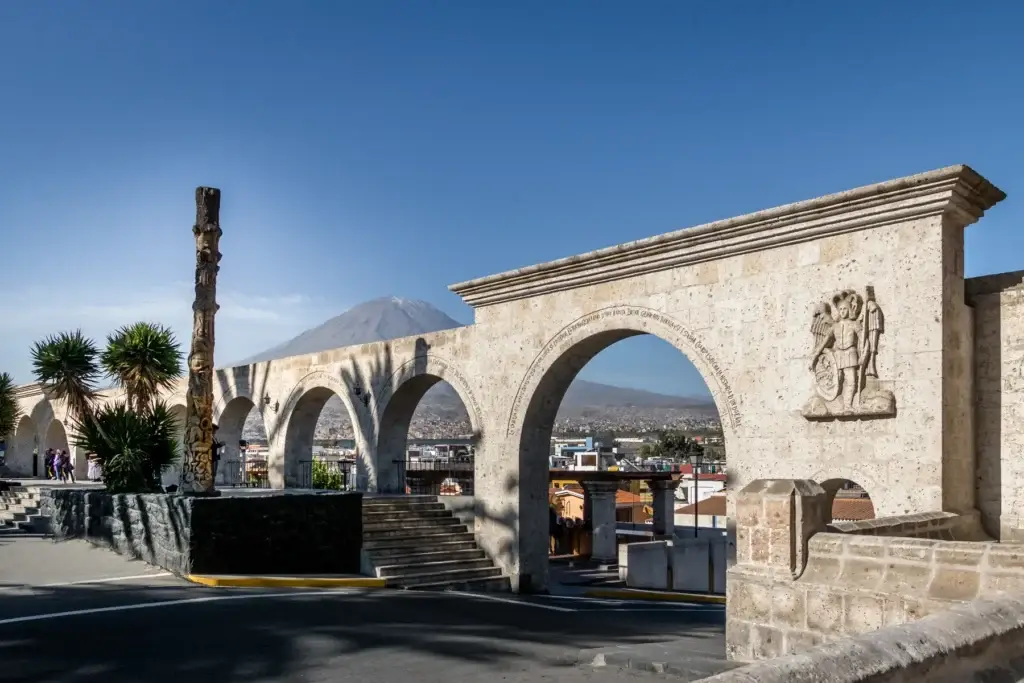
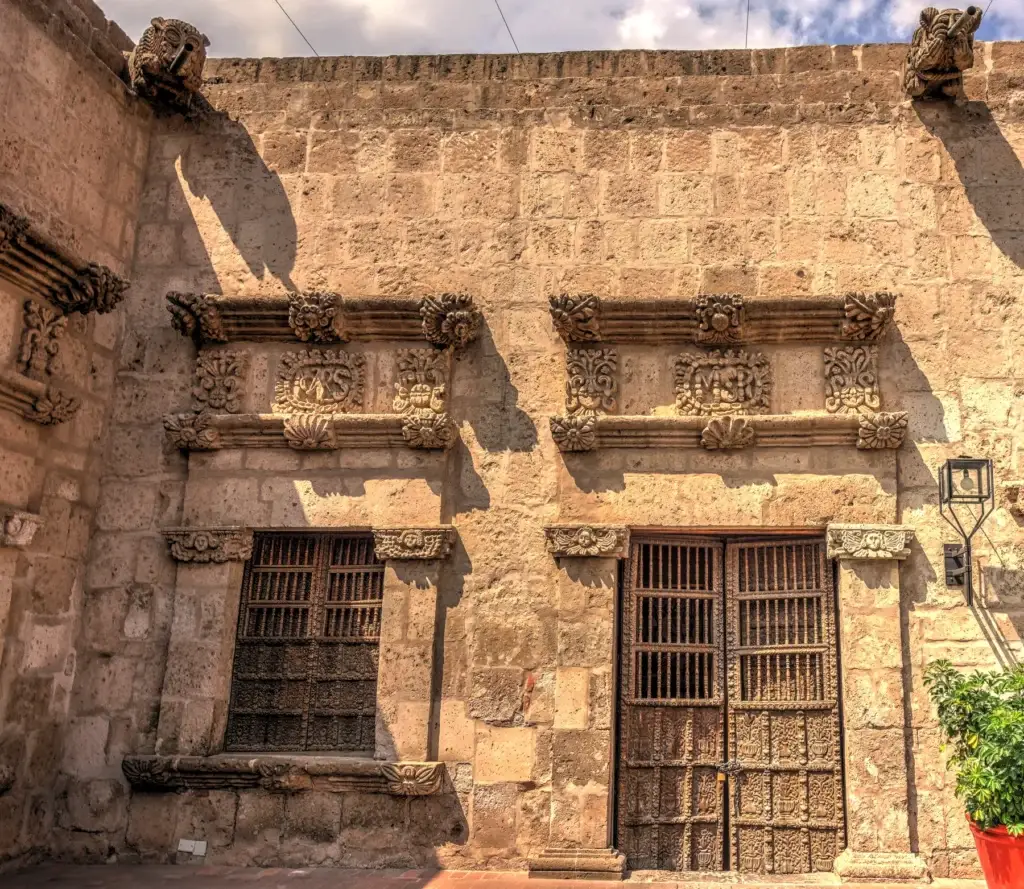
Exact Arequipa historic-centre sillar streetscape, courtyard or architectural ensemble

Architecture, regional foodways, a lower-exertion opening and travelers arriving from near sea level

Begin with two nights in Arequipa

Two nights create time to read volcanic-stone architecture and the regional table while avoiding an immediate push across higher terrain.

Worth knowing

Arequipa is still at elevation, and time in the city does not guarantee acclimatization or prevent illness.
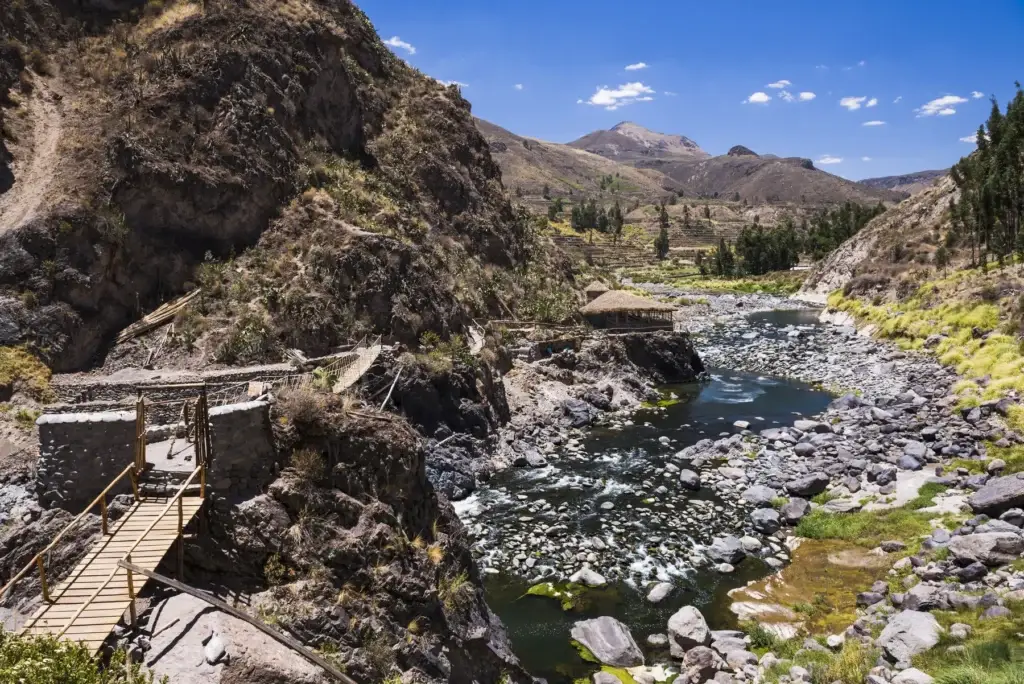
Hot springs, Colca Canyon, Peru, South America

Valley light, community context, flexible viewpoint timing and recovery between road days

Sleep in Colca for at least two nights

A valley stay turns the canyon from a long transfer into an inhabited landscape with room for weather, a gentle afternoon and one considered morning.

Worth knowing

The ascent and high passes remain demanding, and services or medical support can be more limited than in Arequipa.

Practical routing, market-town context, thermal access and travelers who value nearby services

Use Chivay for services and movement

Chivay is the valley's principal service hub and a useful base when flexibility matters more than seclusion.

Worth knowing

Its activity can feel less restorative than a quieter village setting, and exact property location still shapes road time.

Slower village rhythm, terraces, cultural encounters and travelers comfortable with fewer immediate choices

Choose Yanque for a quieter relationship

Yanque can support a more settled relationship to the valley when the property and daily route are chosen carefully.

Worth knowing

Private cultural access, thermal facilities and transport must be confirmed, and quiet should not be confused with isolation from community life.

A considered introduction

Arequipa provides an architectural and culinary opening at a lower elevation than the Colca high passes. From there, a confirmed private transfer crosses Salinas y Aguada Blanca before descending into the inhabited valley around Chivay, Yanque and the principal viewpoints.

Four nights support two in Arequipa and two in Colca. Five or six allow a quieter valley day and a real buffer for altitude, roads or weather. Condors remain free-ranging, thermal bathing remains optional and community culture must be encountered through credited local practitioners.

Advisor note

Advisor perspective: I would avoid a same-day canyon return, keep the first Colca afternoon gentle and confirm road, viewpoint and thermal conditions close to travel. VH Luxe Travels can coordinate preferred-partner value and tailored arrangements where applicable, with each guide, transfer, cultural encounter and private format confirmed before travel.

What stays with you

Signature experiences

Arequipa, Southern Peru

Architecture

Read sillar with a preservation specialist

Trace how volcanic stone, native craft, European design and earthquake response shaped Arequipa's historic centre with a qualified architectural historian.

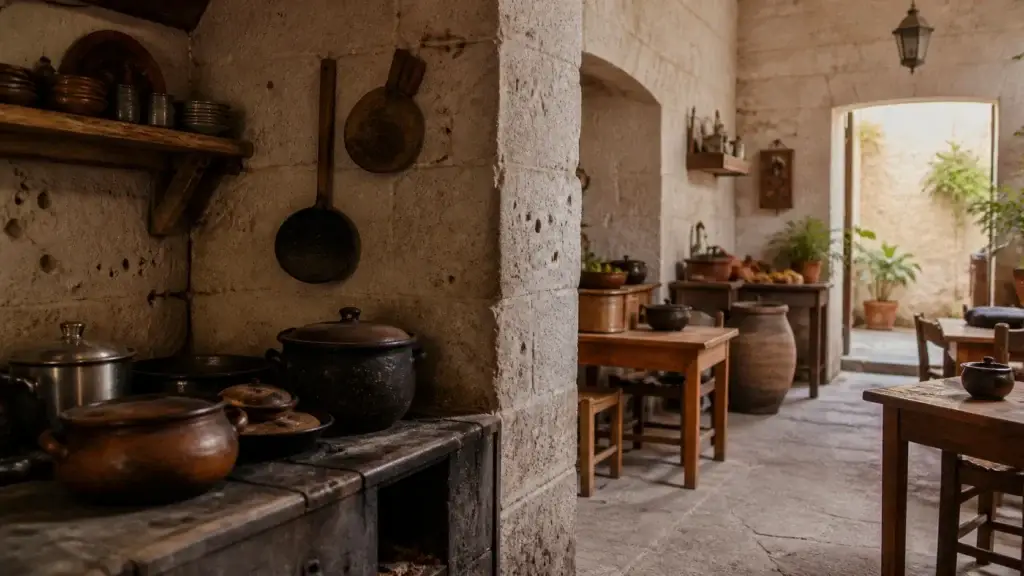
Exact Arequipa picantería kitchen, cook or regional dish in place

Culinary culture

Use one picantería to understand the regional table

Learn a focused Arequipa food tradition through a working cook or accountable local historian, with kitchen access and conversation confirmed rather than assumed.

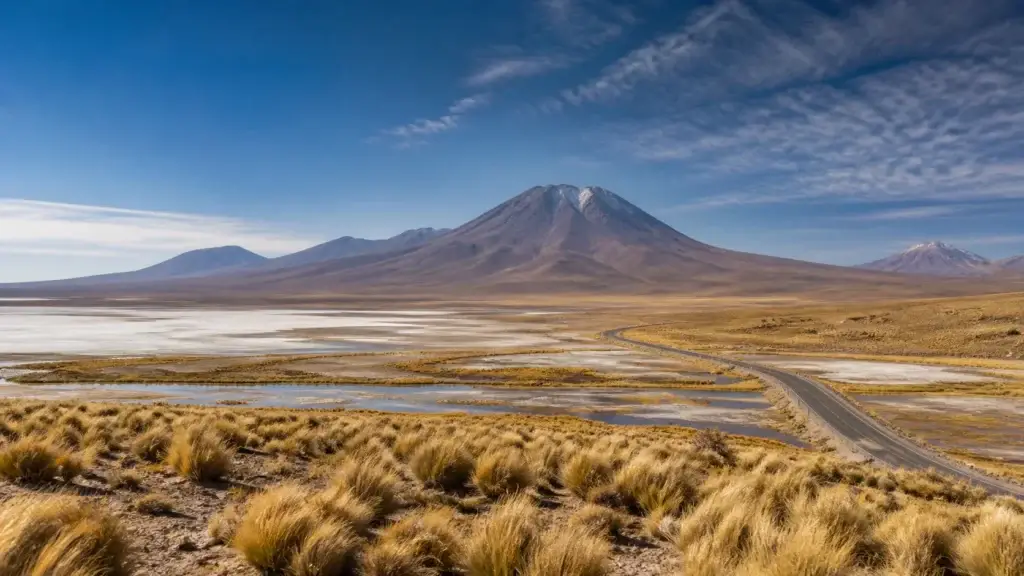
Exact Salinas y Aguada Blanca reserve puna, wetland or vicuña habitat

High-Andes ecology

Cross Salinas y Aguada Blanca as a living puna

Let a naturalist explain wetlands, camelid habitat, pastoral use and high-pass exposure from authorized stops without treating the reserve as scenery between destinations.

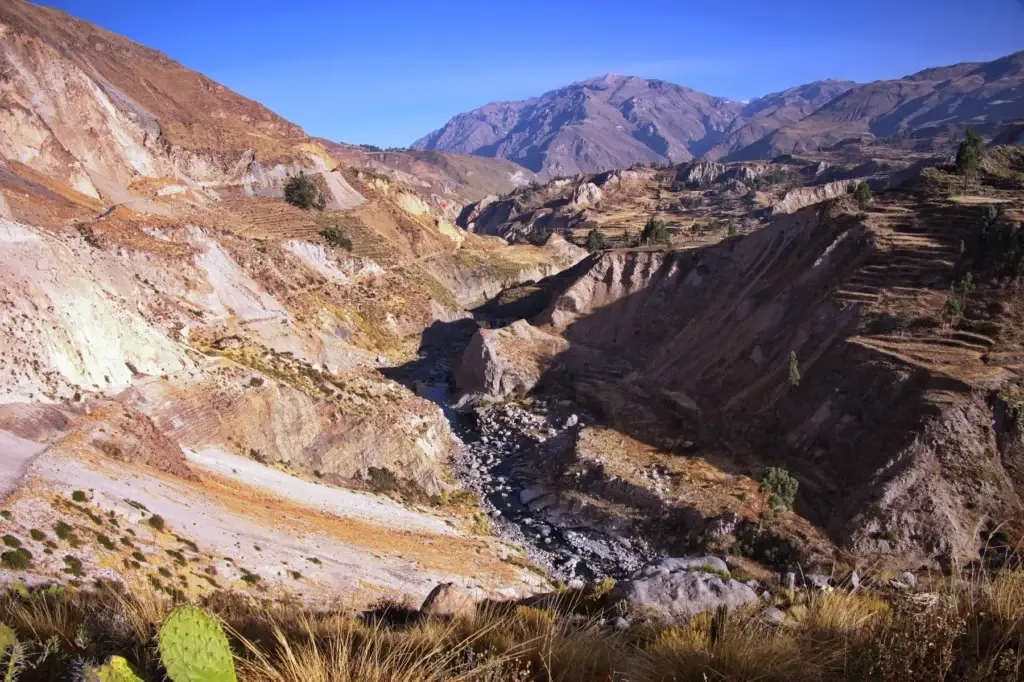
Beautiful landscape of Colca canyon in Peru

Canyon ecology

Interpret the condor without promising the flight

Use a qualified local naturalist to read canyon thermals, geology and Andean condor ecology from an authorized viewpoint. A sighting is never guaranteed.

Documented Colca textile maker, embroidery process, tools or workshop

Living craft

Meet Colca embroidery through a credited maker

Arrange a paid, consent-based encounter with a verified Collagua or Cabana practitioner who can explain their own materials, motifs and changing practice without turning identity into costume.

Travel restored

What makes Arequipa and Colca Canyon, Peru a wellness destination?

What makes Arequipa and Colca a wellness destination?

The journey teaches measured ascent: begin more gently, sleep before adding effort and let symptoms change the plan. Verified thermal bathing can provide warmth and ritual, but it is not a treatment; the durable shift is learning that restraint protects both performance and meaning.

Wellness role
A primary reason to travel
Best for
Couples, executives, active older travelers and multigenerational families who value altitude-aware pacing, culture and restorative warmth
Format
Slow ascent, low-exertion arrival, guided breath and symptom awareness, verified thermal bathing and protected sleep
Ideal commitment
Two city nights after a low-elevation arrival, gentle first valley hours, hydration, no forced ascent and a credible descent plan
Intensity
Varies

For companions

Strong for mixed-interest groups when architecture, food and craft remain as meaningful as the canyon viewpoints.

Seasonal lens

Dry months can simplify outdoor timing but bring cold mornings and strong sun. Wet months require stronger road and weather alternatives.

Protect acclimatization before adding exertion

Measured ascent

Begin with gentle city intervals, then cross higher terrain with planned stops and a guide who recognizes symptoms.

Duration
First 48 to 72 hours
Intensity
Gentle
Best for
Travelers arriving from near sea level
Consider

Fitness does not prevent altitude illness. Never ascend with worsening symptoms and seek qualified medical advice.

Match walking to elevation and current energy

Terrace-paced movement

Use a short authorized terrace or village walk with frequent pauses instead of proving readiness through distance.

Duration
30 to 75 minutes
Intensity
Moderate
Best for
Mixed-ability couples and families
Consider

Confirm grade, sun, wind, surfaces and evacuation access. Stop when symptoms or conditions warrant.

Use warmth and stillness without medical framing

Verified thermal interval

Choose a confirmed facility with known pool conditions, safe entry and a quiet interval after the road day.

Duration
30 to 60 minutes
Intensity
Gentle
Best for
Travelers who tolerate heat and want a low-stimulation evening
Consider

Confirm temperature, water management, supervision and individual suitability. Thermal water is not a treatment.

Replace wildlife expectation with patient observation

Canyon attention practice

Spend one bounded interval reading light, wind, rock and bird movement with a naturalist whether or not a condor appears.

Duration
45 to 90 minutes
Intensity
Gentle
Best for
Travelers seeking quieter attention and less checklist pressure
Consider

Wildlife is free-ranging. Stay behind barriers and follow guide and site rules.

The takeaway is to ascend with patience and to treat a changed plan as good judgment. No thermal, altitude, sleep, stress, biomarker, performance or longevity result is promised.

Timing the journey

When to go

May through October is generally drier and supports clearer road and viewpoint planning, with cold high-altitude mornings and strong sun. November through April brings a wetter pattern, greener terraces and greater need for road, landslide and weather contingencies.

May · Jun · Jul

Best

Early dry season

Weather
Drier conditions, cold high-altitude mornings and strong sun require layers and sun protection.
Crowds
Demand builds around holidays and popular viewpoint hours.
Best for
Architecture, valley landscapes, community visits and road-based naturalist days.

Aug · Sep · Oct

Best

Late dry season

Weather
Dry air, broad daily temperature range and high ultraviolet exposure remain important.
Crowds
Popular routes and viewpoints can remain busy.
Best for
Clearer routing, terraces, architecture and measured valley exploration.

Nov · Dec · Jan

Conditional

Rain transition

Weather
Rain, cloud and road variability increase while terraces begin to green.
Crowds
Holiday demand and weather disruption can coexist.
Best for
Green landscape and cultural depth with credible road alternatives.

Feb · Mar · Apr

Conditional

Wet season and transition

Weather
Rain can affect roads, slopes, viewpoints and long transfers, followed by a gradual drying transition.
Crowds
Demand varies around festivals and holidays while access may remain the stronger constraint.
Best for
Arequipa culture and a flexible Colca stay with live road checks.

Rain, landslides, road works, earthquakes, altitude, wind, viewpoint access, wildlife and community schedules change. Refresh official conditions and every operator close to travel.

Value, clearly framed

Understanding trip value

Custom quote based on exact dates, air cabin, accommodation, professional transfers, qualified guiding, tickets and confirmed private formats. No public package price is stated.

What shapes the guidance

4 to 6 nights for two travelers, with air, accommodation, professional transfers, qualified guidance and confirmed experiences priced separately at proposal stage.

Journey logistics

Arrive well

Arequipa is the air and road gateway. Begin with a confirmed city transfer, then use a private vehicle and driver for Colca. The route crosses high terrain through or near Salinas y Aguada Blanca, so vehicle, weather, road status, rest stops and symptom response matter more than a fixed drive-time promise.

Primary gateway Alfredo Rodríguez Ballón International Airport in Arequipa

Premium commercial air

Arrive in Arequipa

Confirmed domestic or international air gatewayAlfredo Rodríguez Ballón International Airport

Scheduled air followed by a confirmed private transfer

Confirm the live flight, baggage, driver meeting point, city access and a low-exertion first day.

Final transfer

Ascend from Arequipa to Colca

Confirmed Arequipa propertyExact Chivay, Yanque or valley property

Reserved private vehicle with professional driver

The route crosses high terrain. Confirm road status, weather, stops, vehicle, oxygen and emergency protocols without promising that equipment prevents altitude illness.

Final transfer

Travel within the Colca Valley

Confirmed valley propertyExact community, viewpoint or thermal facility

Private vehicle and qualified local guide

AR-109 and local roads have experienced works and landslides. Refresh restrictions and never force a viewpoint day through an unsafe road condition.

Access and mobility

Confirm cobbles, steps, historic thresholds, transfer duration, altitude, viewpoint railings, washrooms, thermal-pool entry, changing facilities and emergency access. A road-accessible viewpoint can still involve uneven surfaces, wind and limited seating.

Before you go

Practical planning notes

Wellness

Do not make Colca a day trip

At least two valley nights protect altitude, community context and road flexibility.

Getting around

Refresh AR-109

The valley road has experienced landslides, works and vehicle restrictions. Confirm live transitability.

Wellness

Treat symptoms as decisions

Do not ascend with worsening altitude symptoms. Confirm a descent and medical plan.

Etiquette

Keep condors free-ranging

Interpret habitat and thermals without promising a sighting or approaching wildlife.

Etiquette

Credit the maker

Cultural encounters should be consent-based, paid and led by a verified practitioner.

The VH Luxe approach

How VH Luxe composes the journey

  1. Begin in Arequipa

    Use architecture and foodways for a measured opening before the higher road.

  2. Sleep in the valley

    Choose Chivay for flexibility or Yanque for a quieter relationship, based on the exact property.

  3. Protect one unhurried Colca day

    Combine one viewpoint or naturalist chapter with community culture and recovery.

  4. Refresh live conditions

    Recheck roads, tickets, altitude plan, thermal access, weather and guide appointments.

Paramjit Harika, VTA, CTA

Advisor-led planning

Your journey, personally considered

Paramjit Harika

Founder & Luxury Travel Advisor

I coordinate your hotel and room, premium air, transfers and key experiences as one considered journey, with one point of contact from planning through travel.

Good to know

Frequently asked questions

How many nights do you need for Arequipa and Colca Canyon?

Allow 4 nights for two in Arequipa and two in Colca, or 5 to 6 for a quieter valley day and meaningful road or altitude buffer.

Can Colca Canyon be visited as a day trip from Arequipa?

It can be sold that way, but the long high-altitude road day weakens cultural depth, recovery and resilience. VH Luxe recommends at least two valley nights.

Should you stay in Chivay or Yanque?

Choose Chivay for services and routing flexibility. Choose Yanque for a quieter village relationship, subject to the exact property, transport and access.

Are condors guaranteed at Cruz del Cóndor?

No. The viewpoint is important habitat-observation context, but condors are free-ranging and no sighting can be promised.

How should travelers prepare for Colca altitude?

Ascend gradually where possible, keep early exertion mild and never continue higher with worsening symptoms. Travelers with health concerns should consult a clinician familiar with altitude medicine.

Are Colca thermal baths a wellness treatment?

No. A verified thermal facility may offer warmth and a restorative ritual, but it is not medical treatment. Confirm temperature, water management, safe entry and individual suitability.