The VH Luxe destination guide

San Pedro de Atacama, Chile

Last updated 13 August 2026

Begin low, climb slowly, and let altitude, distance and temperature choose the Atacama day.

Recommended stay

5–

7 nights

Best time

The driest periods often support broad desert access, but freezing dawns, strong ultraviolet exposure and large temperature swings remain possible. Summer can bring high-altitude cloud, rain and route disruption. Every season requires live checks for storms, wind, fire, road and protected-sector closures.

Primary gateway

El Loa Airport in Calama (CJC), followed by a prearranged road transfer to San Pedro de Atacama

Journey context

Allow 5 to 7 nights, with a quiet arrival, two lower-elevation days and enough separation between astronomy and an early El Tatio departure.

Curator’s verdict

San Pedro de Atacama rewards precision more than accumulation. The strongest journey begins with the oasis and lower desert, gives community-managed heritage its own attention, then reaches higher lagoons and El Tatio only after the traveler has demonstrated how they respond to altitude, cold and long road days.

Choose well

How should altitude, distance and temperature shape the order of an Atacama stay?

Begin with the least physiologically demanding days, then choose one high route at a time. Protect sleep, follow the current community and protected-area rules, and let symptoms or weather make the final decision.

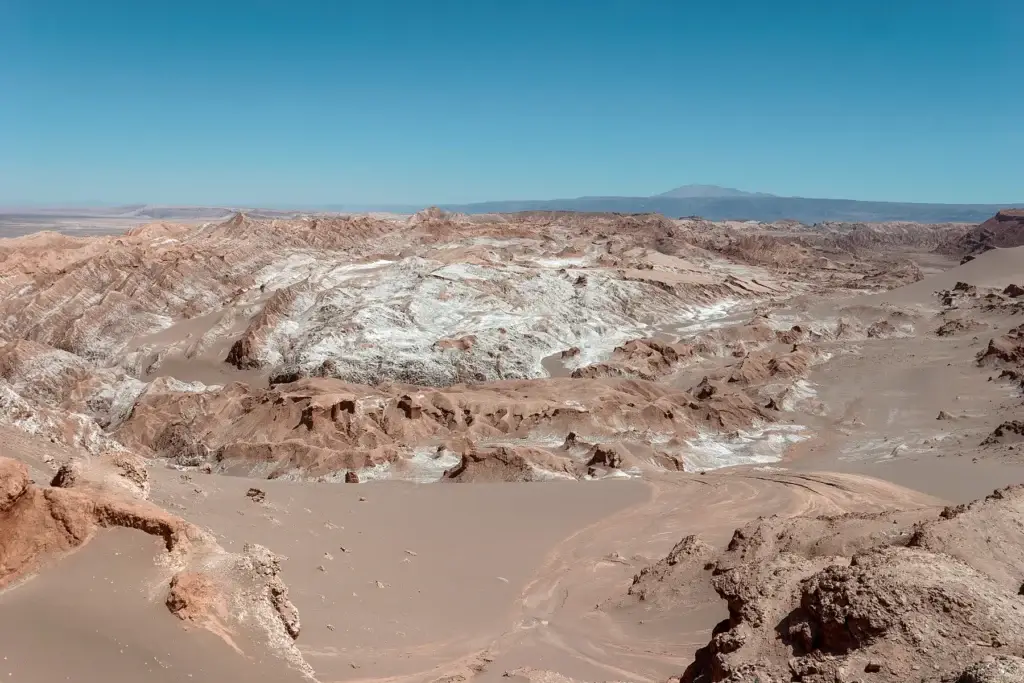
Panoramic view of the moon valley in the atacama desert, chile

First visits arriving from low elevation

Move from the oasis to higher ground

Use the arrival day and Valle de la Luna to establish rest, movement and temperature response before adding high lagoons or El Tatio.

Worth knowing

Fitness does not prevent altitude illness, and a full first-day schedule removes the evidence needed for a safer sequence.
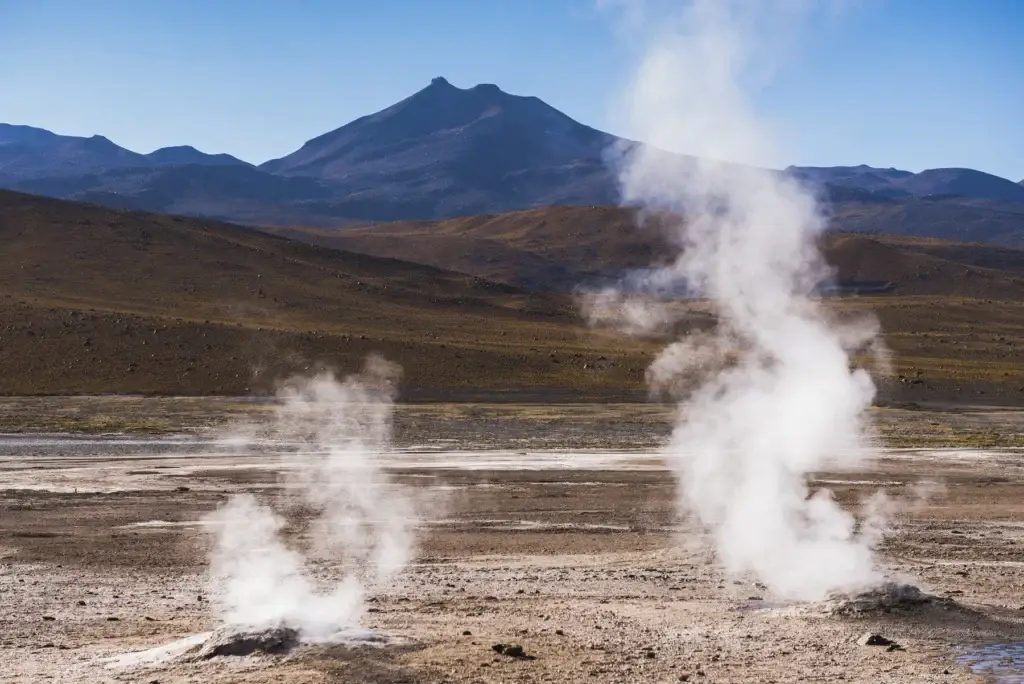
Documented El Tatio geothermal field at dawn from the authorized route

Travelers who want both El Tatio and expert-led stargazing

Separate a cold dawn from a late astronomy night

Give each experience its own sleep window and use the forecast and moon phase to place the astronomy night.

Worth knowing

Stacking both can weaken sleep, thermal recovery and judgment on the higher road day.

Travelers comparing lower salar context with higher lagoon scenery

Choose one wetland system with care

Let altitude response, current sector access and ecological sensitivity choose Chaxa or Miscanti and Miñiques rather than forcing both.

Worth knowing

A longer checklist adds road exposure and cannot guarantee flamingos, open sectors or calm weather.

Travelers seeking archaeological and Lickanantay context

Let authorized access define the cultural day

Use the current community reservation, local guide and institutional interpretation at Valle de la Luna or Aldea de Tulor.

Worth knowing

Private payment does not authorize closed areas, ceremony, sacred knowledge or after-hours access.

A considered introduction

San Pedro is the base for a high-desert sequence that can include Valle de la Luna, an authorized archaeological visit, protected lagoons, El Tatio, a thermal interval and astronomy. These are not interchangeable half-day excursions. Their elevation, departure time, road exposure and access rules should determine the order.

Allow five to seven nights. Keep the first day low and light, choose one wetland system rather than collecting distant lagoons, and never place a late astronomy program immediately before an early cold departure. Clear skies, wildlife and every protected-area sector remain conditional.

Advisor note

Advisor perspective: I would protect the first two nights before adding El Tatio or a high-lagoon day. A private vehicle and qualified guide improve pacing and interpretation, but do not bypass community reservations, CONAF rules, road closures, altitude response or weather. VH Luxe Travels can coordinate tailored arrangements where applicable, with every access element confirmed for the exact dates.

What stays with you

Signature experiences

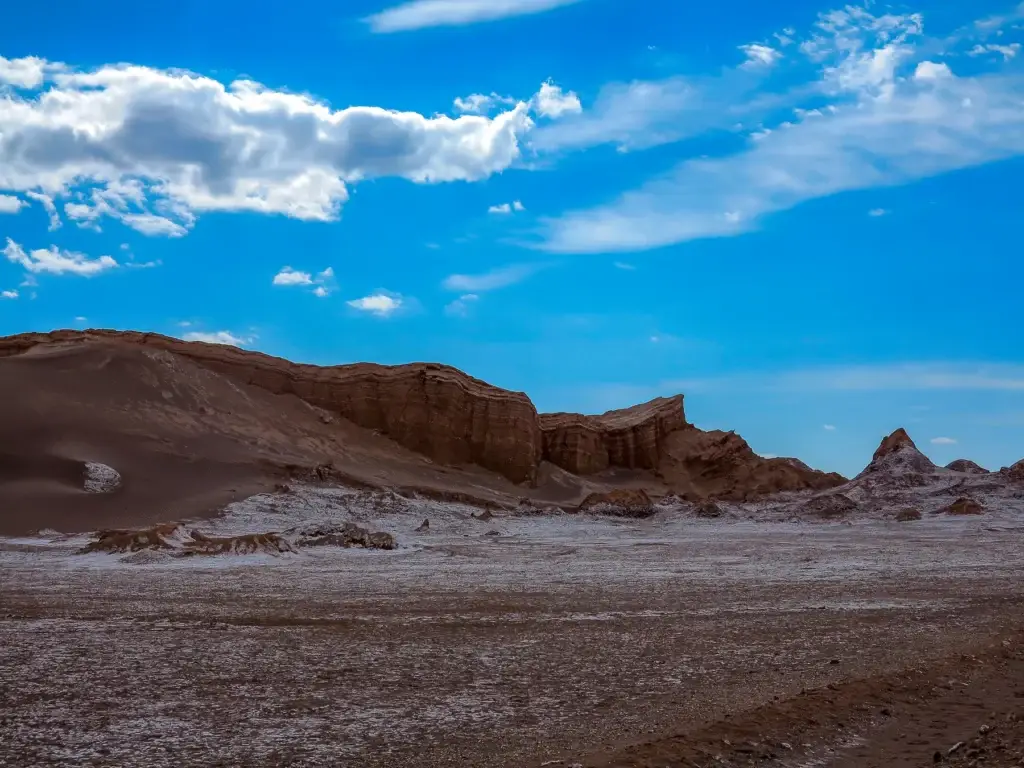
Valle De La Luna (Moon Valley), A Rocky Formation At Atacama Desert On Chile

Community-managed landscape

Follow Valle de la Luna at the community-set pace

Walk only the current marked route with the local visitor agreements in mind, reading salt, wind and erosion without treating the landscape as an unrestricted playground.

Documented public visitor context at Aldea de Tulor

Archaeology

Use one authorized archaeological orientation

Visit Aldea de Tulor only through the current community and institutional access, with interpretation that distinguishes protected evidence from imagined desert mythology.

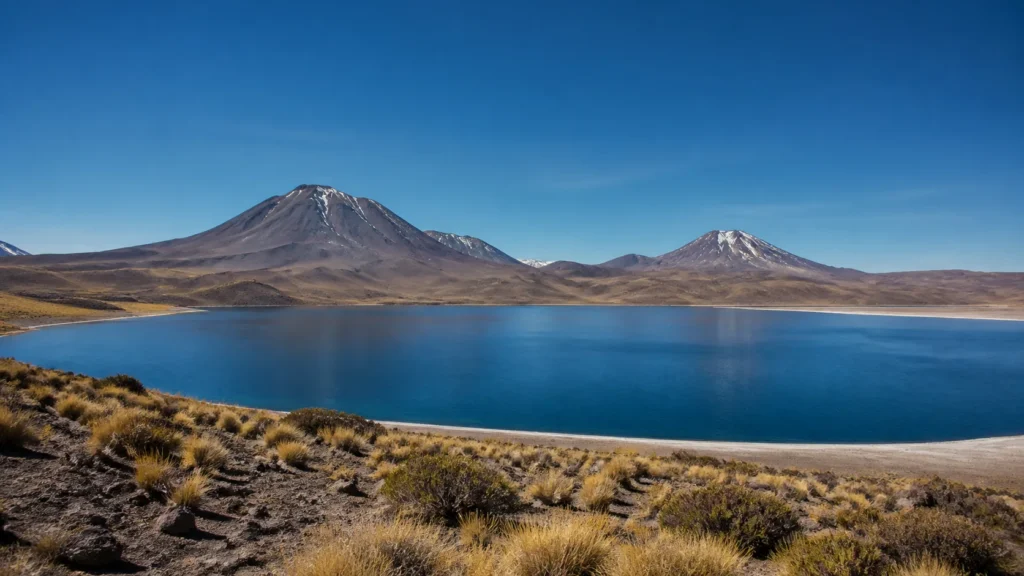
Exact Chaxa or Miscanti and Miñiques lagoon landscape

Wetland ecology

Choose one lagoon system, not a checklist

Select Chaxa or the higher Miscanti and Miñiques sector from altitude response, access and weather, keeping distance from wildlife and accepting that sightings are conditional.

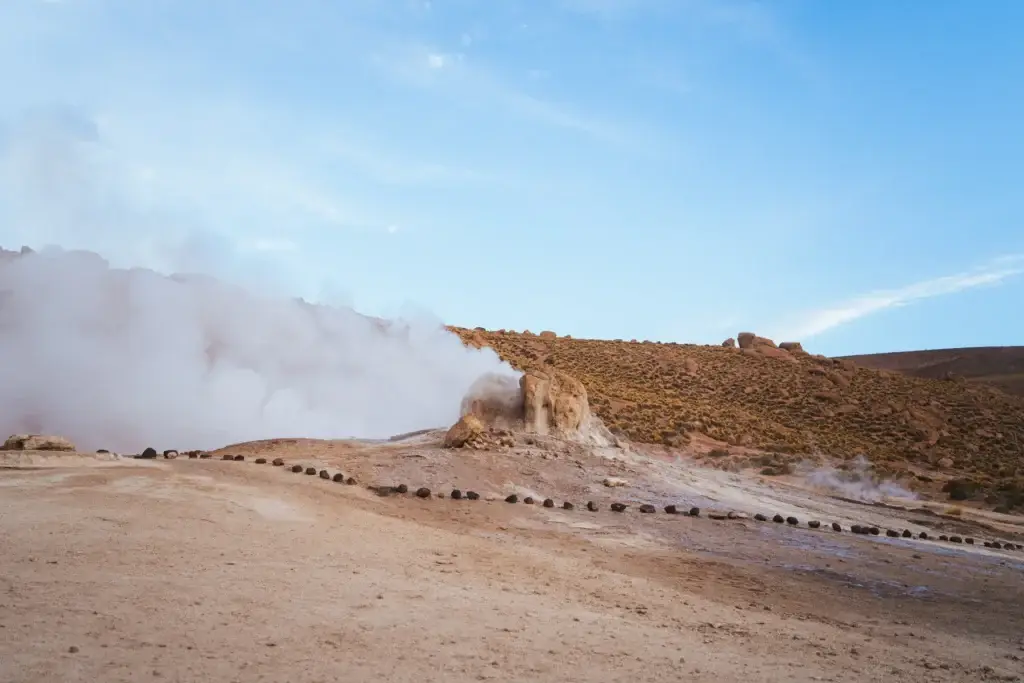
Tatio geysers in the Atacama desert, Chile

Geothermal landscape

Meet El Tatio only when the altitude plan permits

Use the community-administered route with an early cold-weather plan, stay on the marked path and understand steam and geothermal activity without approaching hazardous features.

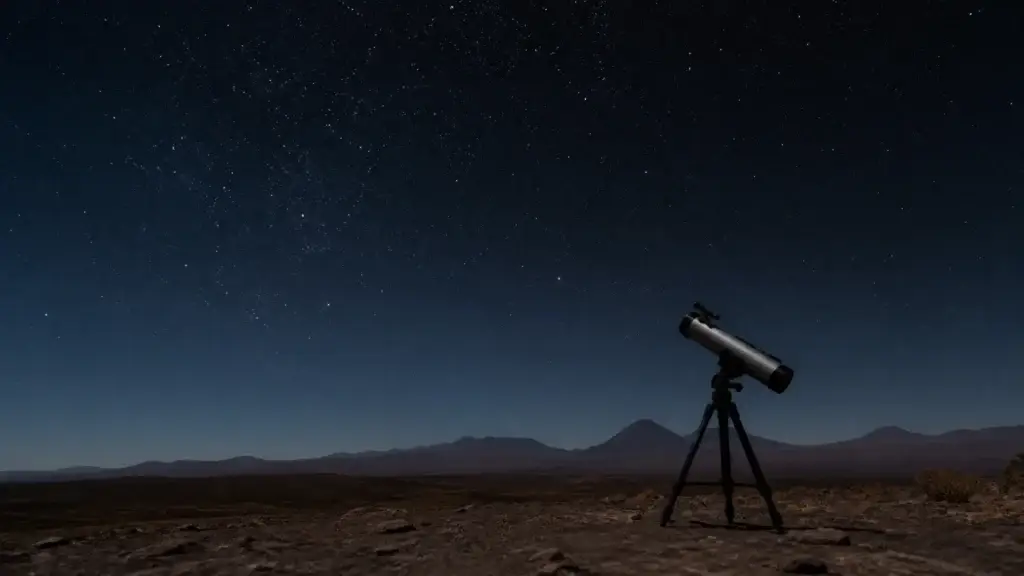
Documented night sky in San Pedro de Atacama with lawful small telescope context

Astronomy

Read the sky with a scientific interpreter

Arrange a confirmed one-to-one astronomy guide to connect naked-eye observation and telescope viewing to the desert's dry atmosphere, with moon, cloud and wind checked before departure and no implied ALMA access.

Travel restored

What makes San Pedro de Atacama, Chile a wellness destination?

What makes San Pedro de Atacama a wellness destination?

Its transformation is disciplined attention: ascend gradually, protect sleep, move gently at first and let a community-managed landscape reset the urge to collect experiences. Medical guidance supports acclimatization and symptom-led restraint, not altitude hacks; the takeaway is a more precise relationship with effort.

Wellness role
A primary reason to travel
Best for
Travelers seeking lower stimulation, expert pacing, high-desert perspective and a more sustainable relationship with ambition
Format
Altitude-aware sequencing, community-set attention, thermal pause and circadian protection
Ideal commitment
One quiet arrival, two moderate days, one protected high-altitude day, one unhurried rest interval and no late-night-to-dawn stack
Intensity
Varies

For companions

Strong for couples and private small parties when altitude history, mobility, vehicle, path surface, temperature, sleep and emergency needs are matched individually.

Seasonal lens

Year-round with a conditions-led plan; summer storms and winter cold change the safest high-altitude sequence.

Give the body time before the most elevated route

Low-to-high sequencing

Begin with quiet movement near the base, then use the traveler's response to decide whether a higher day belongs.

Duration
The first two days and every ascent decision
Intensity
Gentle
Best for
Travelers arriving from low elevation
Consider

Hydration and fitness do not prevent altitude illness; symptoms override the plan.

Replace ownership with respectful attention

Patta Hoiri visitor practice

At Valle de la Luna, follow the Indigenous association's visitor agreements, local guide and delimited paths, allowing its own first-voice framing to lead.

Duration
One unhurried lower-desert interval
Intensity
Gentle
Best for
Travelers seeking meaning without staged spirituality
Consider

This is not a treatment, ceremony or permission to generalize Lickanantay belief.

Use warmth and quiet as recovery, not as a cure

Thermal pause, precisely framed

Place a current, authorized Puritama bathing interval after travel or cold exposure, with privacy and practitioner language used only when verified.

Duration
One slow bathing interval
Intensity
Gentle
Best for
Travelers who value warmth and lower stimulation
Consider

Do not claim mineral treatment or use geothermal field features for bathing; confirm medical and site suitability.

Preserve sleep while experiencing darkness and dawn

Desert circadian protection

Use one expert-led astronomy night and keep the next morning slow, rather than combining it with El Tatio's early cold departure.

Duration
One night plus a protected morning
Intensity
Gentle
Best for
Travelers seeking awe without sleep debt
Consider

Cloud, wind, moonlight and altitude affect the experience; no sleep outcome is promised.

Wellness descriptions do not promise prevention or treatment of altitude illness, biomarker change, improved sleep, mineral therapy or longevity. Symptoms require conservative action and medical advice; worsening altitude symptoms require descent.

Timing the journey

When to go

The driest periods often support broad desert access, but freezing dawns, strong ultraviolet exposure and large temperature swings remain possible. Summer can bring high-altitude cloud, rain and route disruption. Every season requires live checks for storms, wind, fire, road and protected-sector closures.

Apr · May · Sep · Oct · Nov

Best

Broad desert planning window

Weather
Dry conditions may support broad access, with cold dawns, strong sun and large temperature shifts still possible.
Crowds
Holiday and event dates compress rooms, guides and timed access.
Best for
First visits with a flexible low-to-high sequence.

Dec · Jan · Feb · Mar

Conditional

High-altitude weather watch

Weather
Summer convection can bring cloud, rain, storms and road or sector disruption at elevation.
Crowds
Festive dates and regional travel can tighten availability.
Best for
Flexible stays that can exchange high routes for lower desert and cultural days.

Jun · Jul · Aug

Conditional

Cold-dawn specialist window

Weather
Very cold mornings at higher sites and broad day-to-night temperature shifts require careful layering and vehicle planning.
Crowds
School-holiday demand can coincide with narrow early departures.
Best for
Clear desert scale and astronomy with strong thermal and sleep discipline.

Flights, transfers, roads, community reservations, CONAF hours, tickets, protected sectors, archaeology access, high-altitude storms, wind, fire, cold, ultraviolet exposure, wildlife, moonlight, cloud, thermal operations and emergency arrangements change. Confirm every element for the exact week.

Value, clearly framed

Understanding trip value

Custom quote based on season, flight, vehicle, guide credentials, protected-area tickets, community reservations, thermal or astronomy program, accessibility and cancellation terms. No public package price is stated.

What shapes the guidance

5 to 7 nights for two travelers; CJC gateway, San Pedro base, private road transfers, qualified guiding, current community and protected-area reservations, and astronomy or thermal access priced at proposal stage.

Journey logistics

Arrive well

Use Calama as the usual scheduled-air gateway and prearrange the road transfer to San Pedro. Do not add a high-altitude excursion on arrival day. Confirm the operating flight, vehicle, driver, road, luggage, mobility support and after-hours arrival plan for the exact date.

Primary gateway El Loa Airport in Calama (CJC), followed by a prearranged road transfer to San Pedro de Atacama

Premium commercial air

Arrive through Calama

Confirmed Chilean air gatewayEl Loa Airport (CJC)

Scheduled air followed by a prearranged road transfer

Confirm schedule, baggage, mobility assistance, driver and road conditions. Keep arrival day gentle.

Final transfer

Use San Pedro as the operating base

San Pedro de AtacamaAuthorized desert and reserve sectors

Private vehicle with a qualified guide where appropriate

Distance, altitude, road surface, reservation and sector hours differ. Private transport does not create private access.

Final transfer

Reach El Tatio only after acclimatization

San Pedro de AtacamaGeysers del Tatio

Prearranged community-compliant guided road excursion

Confirm current community operation, road and weather. High altitude, cold and geothermal hazards require conservative judgment.

Access and mobility

Confirm aircraft and vehicle assistance, transfer steps, wheelchair storage, road surface, rest stops, toilets, path grade, sand, stone, altitude, cold, ultraviolet exposure and emergency access for each site. CONAF has documented site-specific inclusive-visit work, but this does not establish universal or independent access across Valle de la Luna, Tulor, Chaxa or the high lagoons.

Before you go

Practical planning notes

Wellness

Ascend conservatively

Do not ascend higher with altitude-illness symptoms; worsening symptoms require descent and medical help.

Reservations

Follow sector rules

Tickets, reservations, opening times and routes differ across community and CONAF-managed sites.

Packing

Prepare for temperature shifts

Carry layers, sun protection, water and appropriate footwear even when the base feels warm.

Etiquette

Keep wildlife observational

Maintain distance, keep noise low and never promise flamingos or any other sighting.

The VH Luxe approach

How VH Luxe composes the journey

  1. Arrive and settle low

    Protect sleep, gentle movement and a simple meal rather than beginning with a remote excursion.

  2. Read the lower desert

    Use Valle de la Luna and one authorized cultural context before moving higher.

  3. Choose one high route

    Select the lagoon system or El Tatio from the traveler's response and live conditions.

  4. Protect darkness and recovery

    Place astronomy away from the earliest departure and keep a flexible final interval.

Paramjit Harika, VTA, CTA

Advisor-led planning

Your journey, personally considered

Paramjit Harika

Founder & Luxury Travel Advisor

I coordinate your hotel and room, premium air, transfers and key experiences as one considered journey, with one point of contact from planning through travel.

Good to know

Frequently asked questions

How many nights do you need in San Pedro de Atacama?

Allow 5 to 7 nights so the itinerary can begin low, separate late astronomy from early cold departures and keep one route flexible for altitude or weather.

What should you do first in San Pedro de Atacama?

Keep arrival gentle, then use San Pedro and Valle de la Luna before considering higher lagoons or El Tatio.

Is altitude a concern in San Pedro de Atacama?

Yes. Excursions reach substantially higher ground. Fitness does not prevent altitude illness, and symptoms should stop further ascent. Travelers with relevant conditions should seek clinician advice.

Can you visit ALMA from San Pedro?

Not through a regular public tour at present. ALMA's official visits page says the general public program is suspended; its limited institutional program does not create leisure-traveler access. Recheck ALMA directly before travel.

Are flamingos guaranteed at the salt flats?

No. Wildlife, water conditions and sector access change. Choose the wetland for its protected ecology and follow distance and noise rules.

Can a private guide arrange exclusive archaeological or community access?

Only when the responsible community or institution explicitly authorizes it. Private payment does not create after-hours access, ceremony or entry to closed areas.