
The VH Luxe destination guide

Cape Breton Island, Nova Scotia

Last updated 12 August 2026

Let two thoughtful bases, living culture and current conditions slow the island into focus.

Recommended stay

6–

8 nights

Best time

Late June through early October supports the broadest park, cultural and golf operations. July and August bring strong demand. September and early October can pair cooler walking with changing colour, while storms, fog and reduced schedules remain possible. Winter is a separate road and snow journey requiring current 511 and Parks Canada guidance.

Primary gateway

Sydney/J.A. Douglas McCurdy Airport (YQY) or Halifax Stanfield International Airport (YHZ), then confirmed island road.

Journey context

Allow 6 to 8 nights, usually across Baddeck and a western or northern base, with fewer moves when golf, mobility or deep park time is the priority.

Curator’s verdict

Cape Breton becomes richer when the Cabot Trail stops being a mileage challenge. Baddeck, Inverness, Chéticamp and the highlands deserve distinct roles, while Mi'kmaw, Acadian and Gaelic voices give the landscape cultural depth that no scenic loop can supply.

Choose well

Which Cape Breton rhythm fits?

Choose the bases and anchor first. Then let roads, weather, park notices and operating schedules edit the reach of each day.

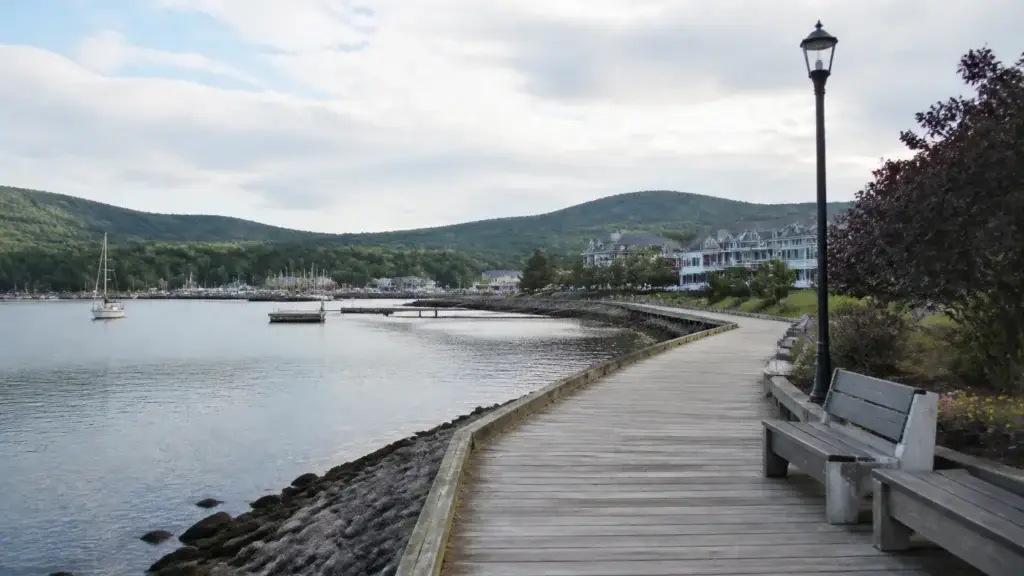
Documented Baddeck waterfront or Inverness coast with clear place identity

First visits, cultural travelers and guests balancing Baddeck, Inverness and the highlands

Use two bases instead of chasing the loop

Pair Baddeck with a western or northern base so the Cabot Trail becomes a sequence of meaningful days rather than one long circuit.

Worth knowing

A second base adds packing, but reduces repeated roads and protects time for culture, golf or park walking.
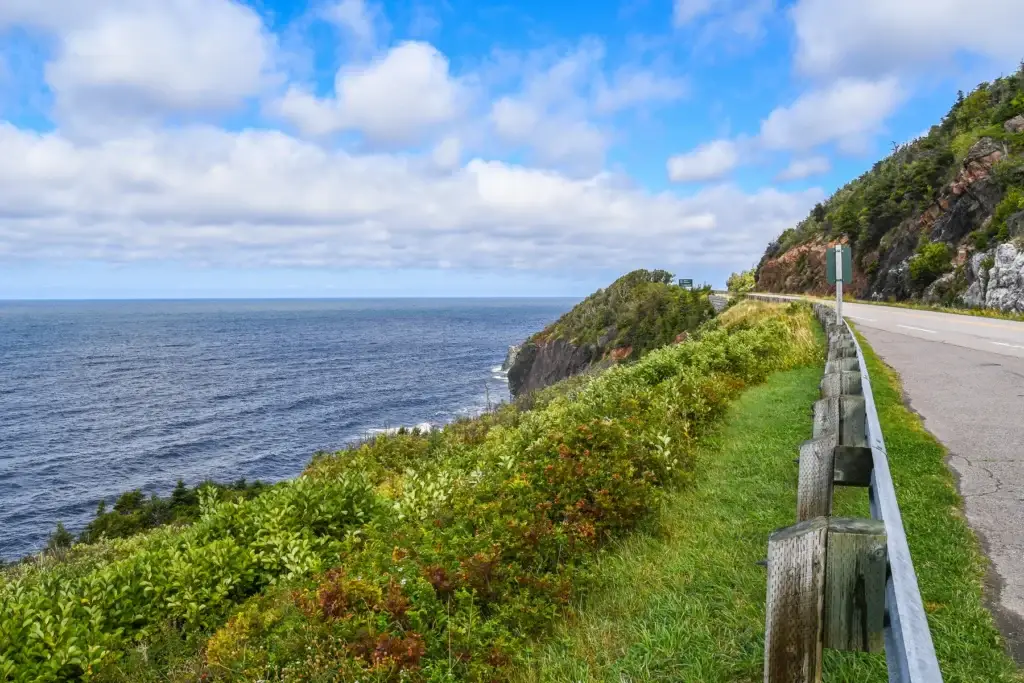
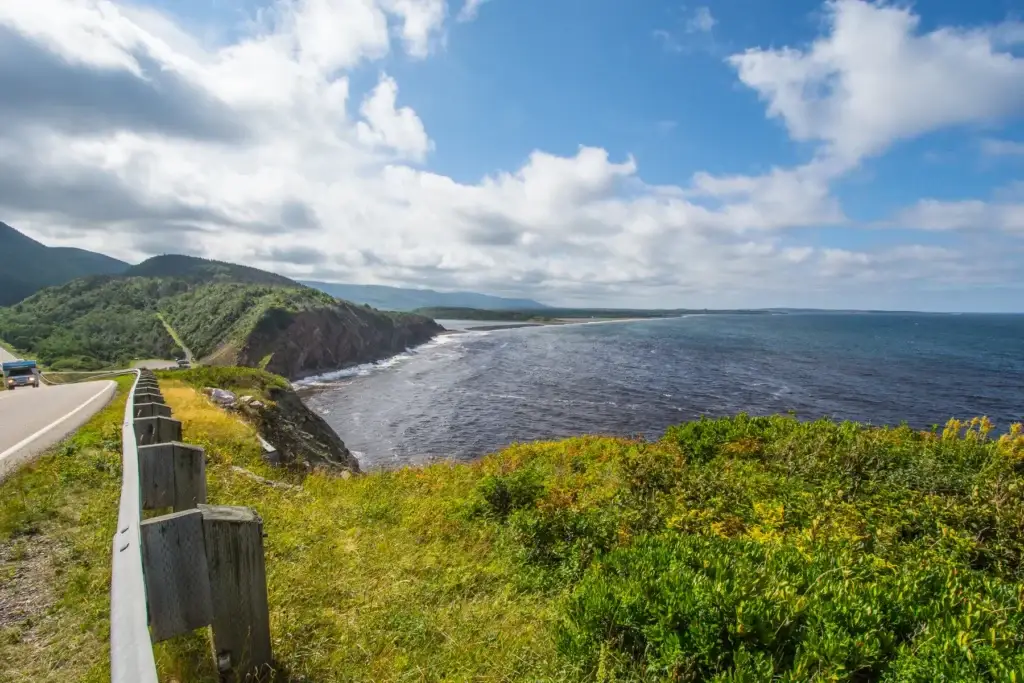
Documented Cabot Trail public roadway with safe sight lines and highlands context

Travelers who value the best available weather, light and safe stopping pattern over clockwise folklore

Let conditions choose the Cabot Trail direction

Review 511, Parks Canada notices, fog, wind and road work each morning, then choose the safer and more coherent direction.

Worth knowing

A fixed photography or dining plan may need to move when higher-elevation conditions differ from the coast.

Families, multigenerational groups and hikers choosing among look-offs, easy walks and longer trails

Match the park day to ability and access

Use current trail ratings, Skyline parking requirements, weather and wildlife guidance instead of treating one famous trail as compulsory.

Worth knowing

The gentler route may give up a headline viewpoint while protecting energy and the rest of the journey.

Golf-led travelers and companions who need a balanced day rather than parallel over-scheduling

Choose golf or culture as the fixed anchor

Confirm Inverness golf first if it is essential, or make a current Mi'kmaw, Acadian or Gaelic public program the fixed point and keep the rest flexible.

Worth knowing

Golf is seasonal, weather-exposed and often walking-led; cultural programs also follow real public schedules and cannot be summoned privately.

A considered introduction

Cape Breton Island, or Unama'ki within Mi'kma'ki, combines highland roads, protected coast, working communities and living cultural traditions. Baddeck is a gentle arrival and public-history base. Inverness supports western-coast and golf priorities. Chéticamp and the national park bring Acadian context, first-voice interpretation and condition-led access to the northern highlands.

Allow six to eight nights and use two bases when the north and west both matter. Confirm roads, Parks Canada notices, golf, public programs and accessibility for the exact dates. Halifax and mainland Nova Scotia are gateways only in this guide.

Advisor note

Advisor perspective: I would protect one Baddeck interval, one western or northern base and no more than one principal Cabot Trail objective per day. VH Luxe Travels can coordinate tailored arrangements where applicable, with drivers, park programs, golf and public cultural experiences confirmed for the exact season.

What stays with you

Signature experiences

Documented Cape Breton Highlands public viewpoint or Parks Canada interpreter in authorized context

Landscape interpretation

Read the Cabot Trail with a park specialist

Use a current Parks Canada guide or qualified specialist to connect highland ecology, public viewpoints and conservative road pacing without implying hidden access.

Mi'kmaw public culture

Enter Unama'ki through first-voice park interpretation

Join a current Mi'kmaw-led or co-developed public program such as Pjila'si Unama'kik, subject to the published schedule and authorization.

Acadian craft

Follow Chéticamp through hooked-rug craft

Let Les Trois Pignons and named makers explain how Acadian home life, material and design meet in a living public craft tradition.

Gaelic language and music

Hear Gaelic as a living island language

Use a current Gaelic College or named public program to hear language, story, music, weaving or step dance in context rather than as decorative Celtic styling.

Innovation history

Use Baddeck as an innovation pause

Visit Alexander Graham Bell National Historic Site as a thoughtful public interval around the highlands, with any special program separately reserved and confirmed.

Travel restored

What makes Cape Breton Island, Nova Scotia a wellness destination?

What makes Cape Breton Island a wellness destination?

The island can replace coverage with weather-led movement, handwork, listening and stewardship learned through public first-voice culture. Nature exposure is associated with some short-term stress-related measures, but evidence varies and this journey is not treatment; the lasting practice is to choose fewer anchors and give each one full attention.

Wellness role
A primary reason to travel
Best for
Travelers seeking lower stimulation, cultural meaning, moderate outdoor movement and a durable slower-travel practice
Format
Weather-led headland movement, Mi'kmaw first-voice stewardship, Acadian handwork and Gaelic listening
Ideal commitment
Two bases, one primary anchor per day, current road and trail checks, public cultural authorization and protected recovery after golf or.
Intensity
Varies

For companions

Strong for couples and multigenerational travelers when road duration, trail surface, coastal exposure, golf walking and cultural seating are matched individually.

Seasonal lens

Late June through early October supports the broadest public programs and outdoor movement; winter requires a separate condition-led plan.

Learn relationship to place without appropriating a Mi'kmaw teaching

Unama'ki stewardship pause

Join a current Mi'kmaw-led or co-developed public program, listen to the named presenter and carry forward the habit of asking whose knowledge guides a landscape.

Duration
One public program
Intensity
Gentle
Best for
Travelers seeking ethical cultural context
Consider

Etuaptmumk and Netukulimk are not visitor-owned techniques; program and presenter must be current and authorized.

Use close observation of making to lower the pace

Chéticamp handwork attention

Study material, repetition and named authorship at Les Trois Pignons or a confirmed public demonstration before buying or trying the craft.

Duration
One museum interval
Intensity
Gentle
Best for
Travelers drawn to tactile focus and design
Consider

A demonstration or hands-on activity is not guaranteed and makers' time must be respected.

Experience language and music as living social memory

Gaelic listening interval

Attend a named public story, song or demonstration and listen without turning the culture into background entertainment.

Duration
One scheduled public program
Intensity
Gentle
Best for
Travelers who recover through sound and shared attention
Consider

Schedules, performers and format change; no private ceilidh or lesson is implied.

Let wind, visibility and ability determine movement

Headland pacing

Choose one condition-matched Parks Canada trail or public look-off, set a conservative turnaround point and allow the view to replace another stop.

Duration
One short or moderate outdoor interval
Intensity
Varies
Best for
Travelers seeking coastal movement without performance pressure
Consider

Weather, wildlife, closures and trail conditions can require a shorter route or cancellation.

Wellness descriptions do not promise diagnosis, treatment, detoxification, biomarker change, improved sleep or longevity. Driving, hiking, coast and golf require current safety, accessibility and individual medical judgment.

Timing the journey

When to go

Late June through early October supports the broadest park, cultural and golf operations. July and August bring strong demand. September and early October can pair cooler walking with changing colour, while storms, fog and reduced schedules remain possible. Winter is a separate road and snow journey requiring current 511 and Parks Canada guidance.

Jul · Aug

Best

Full summer operation

Weather
Long days with coastal fog, wind, rain, insects and rapidly changing highland conditions.
Crowds
Strong demand affects roads, Skyline parking, golf, rooms and public programs.
Best for
First visits, broad cultural schedules, park interpretation, golf and coastal walking.

Sep · Oct

Best

Cooler roads and changing colour

Weather
Cooler days, stronger storm exposure, shorter light and variable fall colour.
Crowds
Autumn colour and golf still create peaks while some cultural schedules narrow.
Best for
Road pacing, walking, golf where open and public culture confirmed for exact dates.

May · Jun

Good

Early operating season

Weather
Cool coast, rain, wind, insects and lingering highland variability.
Crowds
Quieter roads can coincide with reduced cultural, park, golf and dining schedules.
Best for
Flexible repeat visits with exact operations confirmed.

Nov · Dec · Jan · Feb · Mar · Apr

Usually avoid

Winter and deep shoulder

Weather
Snow, ice, wind, short light and major elevation differences can close or constrain roads.
Crowds
Low visitation comes with sharply reduced visitor services.
Best for
A specialist winter road or snow journey, not a substitute for the full summer island guide.

Roads, fog, wind, rain, storms, wildfire or smoke, trails, Skyline parking, park passes, golf, ferries, wildlife, cultural programs, museums and restaurants change. Confirm the exact travel week and each day's live notices.

Value, clearly framed

Understanding trip value

Custom quote based on season, confirmed accommodation, transfers, vehicle, guides, public programs, park access and golf. No public package price is stated.

What shapes the guidance

6 to 8 island nights for two travelers; gateway transfer, suitable vehicle or licensed driver, park pass, public guides, admissions, golf and equipment priced at proposal stage.

Journey logistics

Arrive well

Sydney is the closer commercial-air gateway for Baddeck and the island. Halifax offers broader air choice but adds a long road transfer. Confirm vehicle, driver, weather and stops, and keep the arrival day away from a full Cabot Trail circuit.

Primary gateway Sydney/J.A. Douglas McCurdy Airport (YQY) or Halifax Stanfield International Airport (YHZ), then confirmed island road.

Premium commercial air

Arrive through Sydney

Confirmed origin citySydney/J.A. Douglas McCurdy Airport (YQY)

Scheduled air and confirmed island road transfer

Flight schedules, baggage, vehicle supply and weather require live confirmation.

Premium commercial air

Use Halifax only as a gateway

Confirmed origin cityHalifax Stanfield International Airport (YHZ)

Scheduled air and long confirmed road transfer to Cape Breton Island

Traffic, weather, stops and driver-hours determine the useful transfer. Halifax is not destination content here.

Final transfer

Enter the island and pause in Baddeck

Sydney Airport or the Canso CausewayBaddeck or confirmed first island base

Licensed driver or suitable rental vehicle

Do not force the northern loop on arrival day. Check 511 and vehicle suitability.

Final transfer

Move between island bases through current conditions

Baddeck, Inverness or confirmed island baseChéticamp, Ingonish or next confirmed base

Condition-led road transfer with planned stops

Fog, wind, rain, wildlife, construction and closures can alter direction and timing. Never bypass a closure.

Access and mobility

Confirm airport and road transfer, vehicle step height, rest stops, washrooms, trail grade and surface, Skyline parking, museum ramps, seating, hearing access, golf walking requirements, caddie or cart policy and coastal exposure individually. Accessible does not mean every park trail, cultural room or golf course fits every traveler.

Before you go

Practical planning notes

Getting around

Check 511 and Parks Canada

Review roads, bulletins, trail access and high-elevation weather before every Cabot Trail day.

Etiquette

Drive below the view

Use posted pull-offs, low gear on descents and conservative speed around fog, rain, wind, darkness and wildlife.

Packing

Treat golf as weather-exposed

Confirm course, tee time, walking requirements, caddie or cart policy, equipment and cancellation terms directly.

Etiquette

Let culture speak for itself

Use named public programs and presenters; do not request ceremony, an Elder, a private ceilidh or an anonymous artisan on demand.

The VH Luxe approach

How VH Luxe composes the journey

  1. Land gently in Baddeck

    Use the village and public historic site to absorb the transfer before the highlands.

  2. Set the western or northern anchor

    Choose Inverness, Chéticamp or another confirmed base according to golf, culture and park priorities.

  3. Give the Cabot Trail a full operating day

    Let current road, weather and park conditions determine direction and stops.

  4. Protect one living-cultural interval

    Reserve a current public Mi'kmaw, Acadian or Gaelic program without inventing private access.

Paramjit Harika, VTA, CTA

Advisor-led planning

Your journey, personally considered

Paramjit Harika

Founder & Luxury Travel Advisor

I coordinate your hotel and room, premium air, transfers and key experiences as one considered journey, with one point of contact from planning through travel.

Good to know

Frequently asked questions

How many nights do you need on Cape Breton Island?

Allow 6 to 8 nights, usually across Baddeck and a western or northern base. Add time rather than compressing golf, culture and the highlands into one loop.

Should you drive the Cabot Trail clockwise or counterclockwise?

Neither direction is universally best. Review 511, Parks Canada notices, weather, road work, light and planned stops, then choose the safer coherent direction for that day.

Is Skyline Trail access guaranteed?

No. Parking reservations are required during the published 2026 peak period, and weather, wildlife or closures can still affect access.

Can non-golfers enjoy an Inverness stay?

Yes. Inverness can support coast, community and western-island access, but golf times, walking requirements and companion plans should be confirmed before fixing the base.

How should travelers experience Mi'kmaw, Acadian and Gaelic culture?

Choose current public programs led or authorized by named communities, institutions and presenters. Do not request invented ceremony, private community access or anonymous cultural performance.

What makes Cape Breton Island a wellness destination?

Weather-led movement, close attention to handwork, living language and first-voice stewardship can teach a slower and more relational way to travel. It is not treatment and does not promise sleep, biomarker or longevity outcomes.