The VH Luxe destination guide

Churchill, Manitoba

Last updated 12 August 2026

Choose one northern season, then let wildlife rules, weather and distance shape the journey.

Recommended stay

5–

7 nights

Best time

Choose July and August for belugas, October and November for peak polar-bear planning, or February and March for a dedicated aurora journey. These are distinct trips. Weather, ice, cloud, wildlife movement and operator schedules remain variable within every season.

Primary gateway

Winnipeg Richardson International Airport (YWG), then confirmed scheduled air or VIA Rail

Journey context

Allow 5 to 7 nights in Churchill after arrival, with additional Winnipeg or rail nights treated as transport margin rather than Churchill touring days.

Curator’s verdict

Churchill is most compelling when the traveler stops trying to collect every icon at once. Belugas, polar bears and aurora belong to different seasonal rhythms. The luxury is a well-protected primary objective, a qualified operator and enough margin to let northern conditions change the plan.

Choose well

Which Churchill season and access plan fit?

Choose the primary phenomenon first. Then match transport, operator, clothing, viewing platform and recovery time to that season.

Exact Churchill seasonal subject: belugas, polar bear under controlled viewing, or aurora over Churchill

Travelers who value a strong primary purpose over an overpromised wildlife checklist

Choose belugas, polar bears or aurora first

Use July and August for belugas, October and November for peak polar-bear planning, or February and March for a dedicated aurora journey.

Worth knowing

Another phenomenon may occur in an overlap period, but wildlife, cloud and visibility never become guaranteed inclusions.
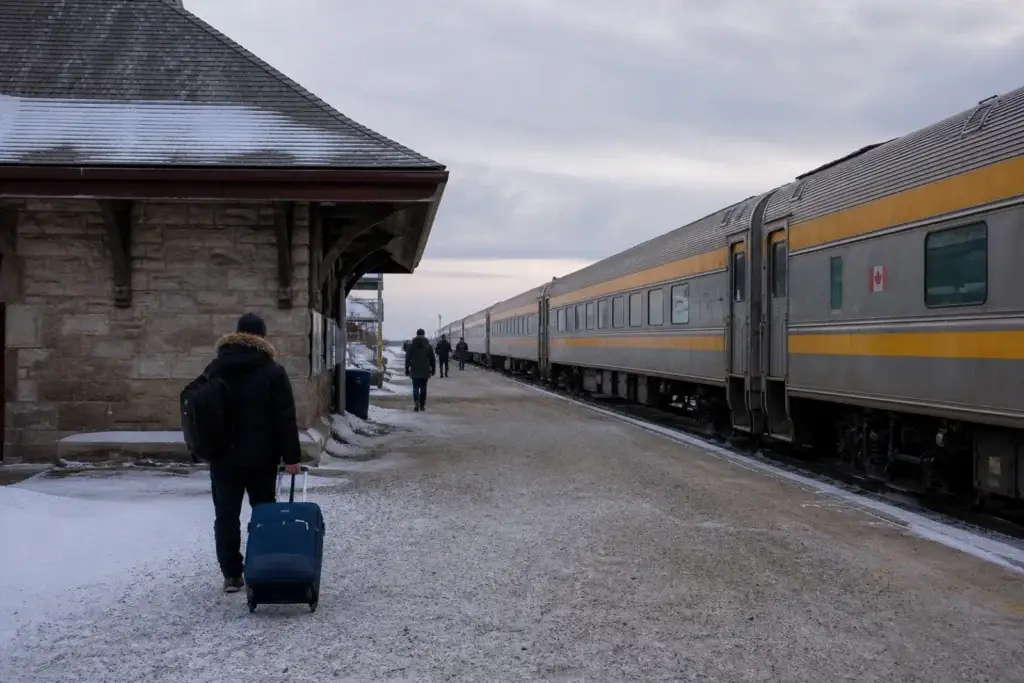
Documented Churchill airport arrival or VIA Rail train/station in Churchill

Time-sensitive travelers versus guests who want the long northern transition to be part of the experience

Choose air efficiency or the rail journey

Scheduled air protects more time in Churchill. VIA Rail makes distance visible and requires a much longer operating window.

Worth knowing

Both modes face schedules and disruption; rail adds time while air concentrates connection risk.

Photographers, families and mobility-conscious travelers choosing among boat, tundra vehicle, building and observation dome

Match the platform to the phenomenon

Select lawful marine viewing for belugas, controlled operator access for polar bears and a warm, dark-sky base for aurora.

Worth knowing

The most dramatic platform is not automatically the safest, quietest or most accessible.

Travelers who want the journey to remain meaningful when animals, cloud, wind or transport change

Protect a weather and wildlife fallback

Keep a Parks Canada, museum or research-led interval ready and leave one day lightly committed.

Worth knowing

A flexible day can feel less efficient on paper, but it protects the journey from forcing unsafe or disappointing conditions.

A considered introduction

Churchill sits where boreal forest, tundra, the Churchill River and Hudson Bay meet. Summer brings belugas into the estuary. Autumn concentrates polar-bear planning around the return of sea ice. Deep winter offers long dark nights for aurora, with severe cold and visibility still controlling the experience.

Allow five to seven nights after arrival. Choose one primary phenomenon, use the required or appropriate licensed operator, obey wildlife rules and protect a buffer around air or rail. No animal, clear sky, public-site operation or transport connection is guaranteed.

Advisor note

Advisor perspective: I would select the wildlife or aurora season first, confirm lawful operator access and transport next, then reserve one public cultural or science-led alternative for weather days. VH Luxe Travels can coordinate tailored arrangements where applicable, with every transfer, guide, viewing platform and accessibility detail confirmed for the exact dates.

What stays with you

Signature experiences

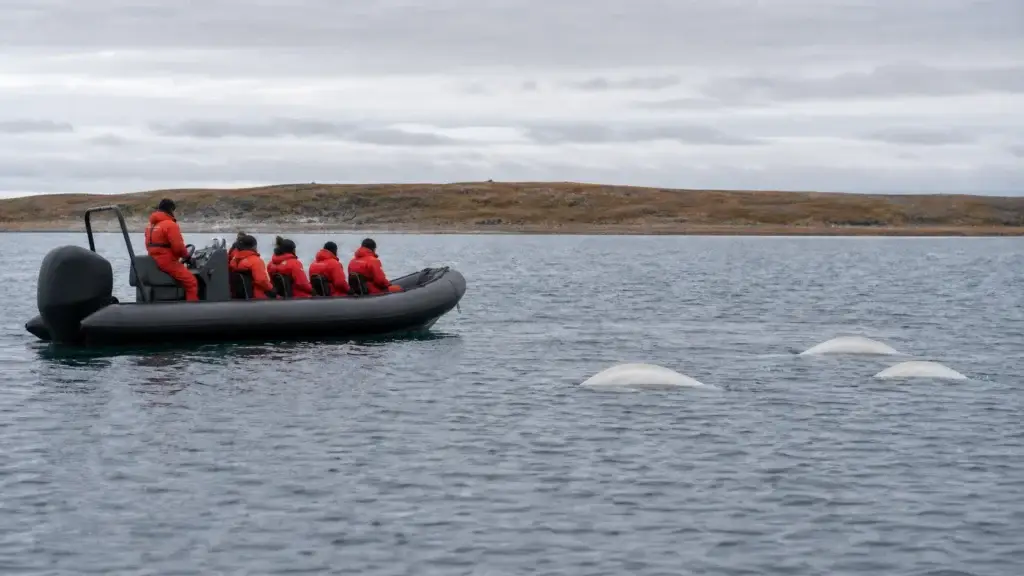
Documented Churchill River estuary beluga viewing with compliant vessel practice

Marine wildlife

Listen for belugas without directing them

Use a compliant operator and, where offered, a hydrophone to hear the estuary while current marine-mammal rules and animal-led behavior control distance.

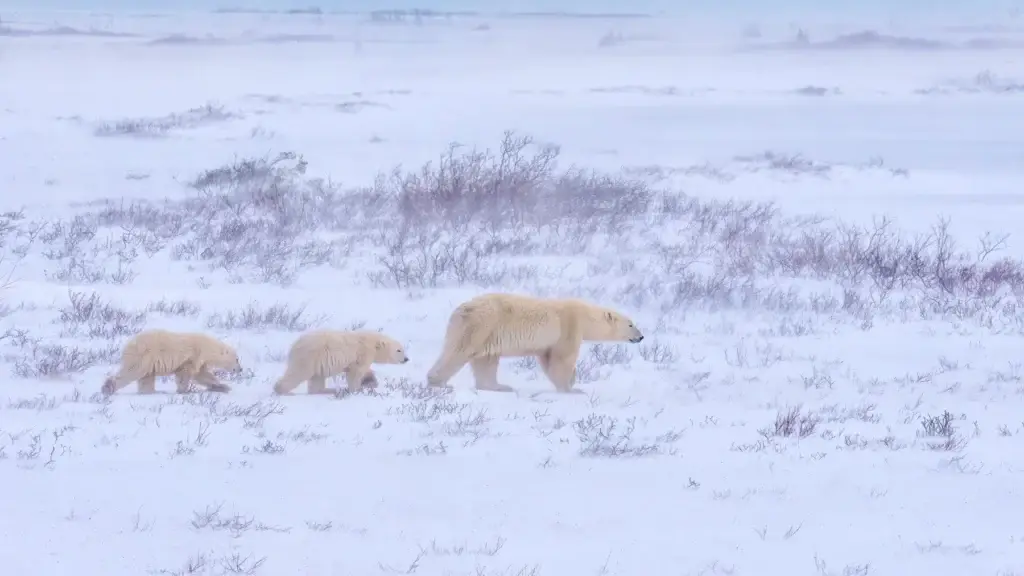
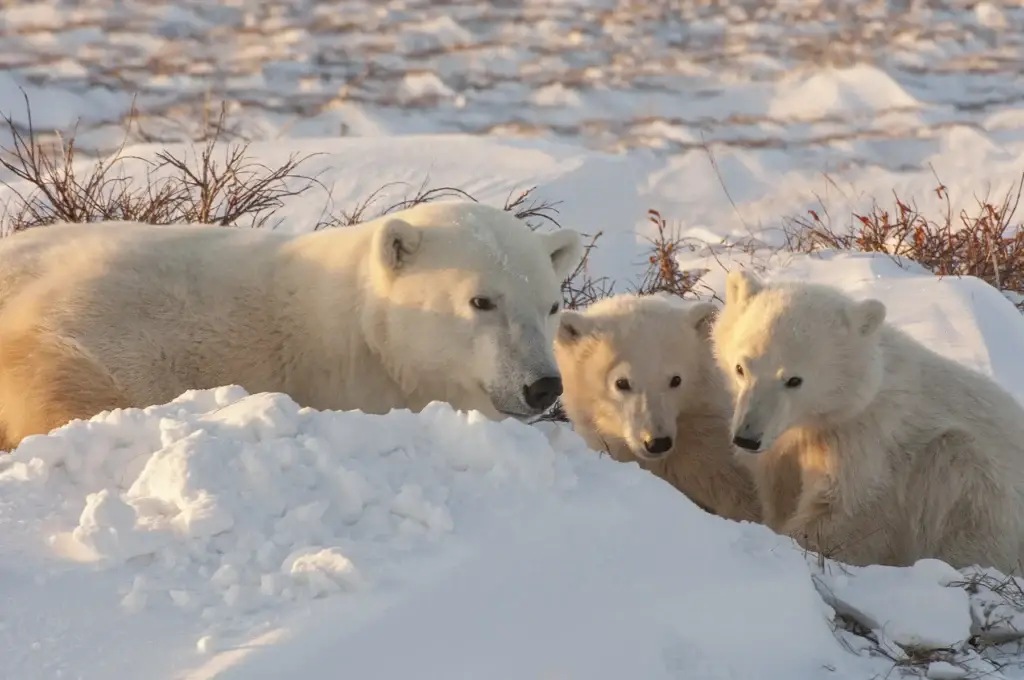
Documented Churchill polar bear viewed from an authorized controlled vehicle, building or platform

Wildlife ethics

Observe polar bears from a controlled platform

Let a qualified operator choose the route and viewing position, obeying Polar Bear Alert guidance without bait, crowding or an on-foot encounter.

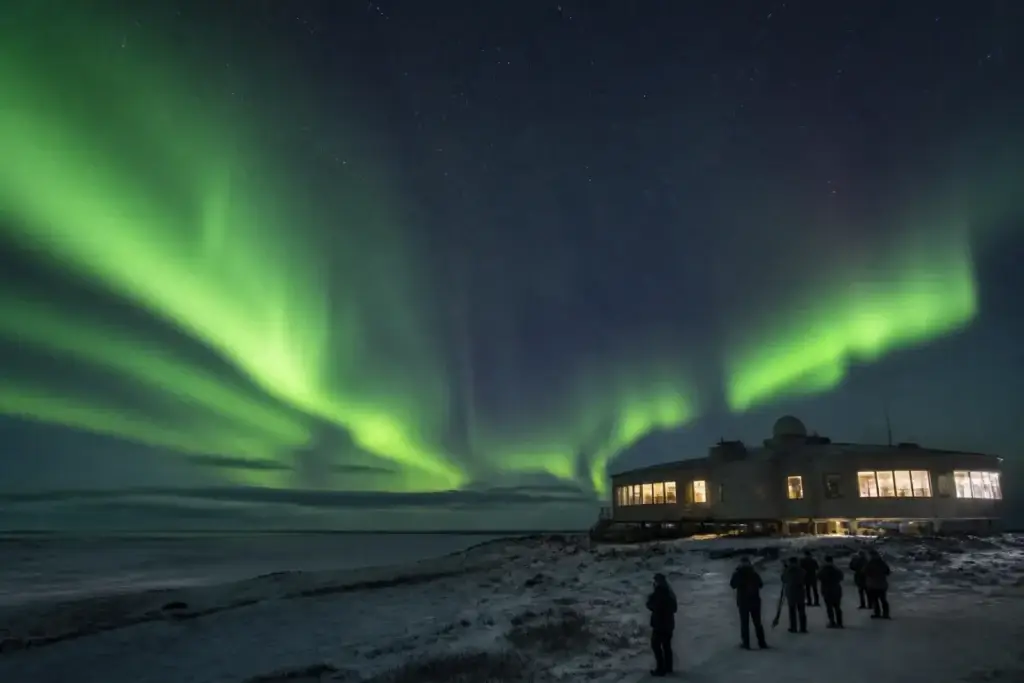
Documented aurora over Churchill or Churchill Northern Studies Centre

Northern science

Read the aurora through northern science

Pair a warm viewing base with an explanation of the auroral oval, solar wind and clear-sky dependency through a current public program.

Inuit art and public culture

Let public Inuit art lead the cultural interval

Use the Itsanitaq Museum or another authorized public program to encounter named works and long human histories without inventing private community access.

Public history

Cross to Prince of Wales Fort with Parks Canada

When seasonal boat and site operations allow, place the fort inside a longer Indigenous, river-travel and trade history through Parks Canada interpretation.

Travel restored

What makes Churchill, Manitoba a wellness destination?

What makes Churchill a wellness destination?

Churchill replaces control with disciplined attention: wait at wildlife distance, listen before moving, protect sleep around night viewing and let weather cancel a plan without calling the day a failure. The result can be a durable practice of patience and scale, not a treatment or guaranteed physiological outcome.

Wellness role
A primary reason to travel
Best for
Travelers seeking lower stimulation, a stronger relationship with uncertainty and meaning grounded in northern ecology
Format
Wildlife patience, beluga listening, tundra attention, aurora science and protected recovery
Ideal commitment
One primary phenomenon, one flexible day, operator-led safety, weather-appropriate clothing and protected sleep after late-night viewing
Intensity
Varies

For companions

Strong for couples and multigenerational travelers when cold exposure, mobility, marine boarding, vehicle access, late nights and recovery are matched individually.

Seasonal lens

Summer supports beluga listening, autumn supports controlled polar-bear observation and February to March supports the strongest dedicated aurora rhythm.

Replace pursuit with attention to sound and animal-led movement

Beluga listening

Use a compliant operator and hydrophone where available, allowing distance and silence to become the experience.

Duration
One weather-approved marine interval
Intensity
Gentle
Best for
Travelers who respond to sound, patience and marine ecology
Consider

Whales, calm water and hydrophone conditions are not guaranteed; current law controls interaction.

Practice sustained observation without demanding an encounter

Tundra-scale attention

Let a qualified guide read wind, tracks, habitat and distance while the traveler watches a wide landscape rather than scanning only for a trophy image.

Duration
One controlled field session
Intensity
Gentle
Best for
Travelers seeking perspective and low-stimulation focus
Consider

No wildlife sighting is assured and guide safety decisions are final.

Protect wonder without sacrificing recovery

Aurora rhythm

Use a warm viewing base, a clear cutoff and a late start the following day so night-sky attention does not become exhaustion.

Duration
One or two protected night windows
Intensity
Gentle
Best for
Travelers able to tolerate cold and shifted sleep
Consider

Cloud and solar conditions can prevent visible aurora; this is not sleep therapy.

Let wildlife ethics and northern weather remove false urgency

Field-window patience

Accept that the tundra, estuary and sky control the viewing window, then shift without resentment to northern science, public culture or deliberate rest.

Duration
Built into every day
Intensity
Gentle
Best for
Wildlife travelers learning to value restraint as part of observation
Consider

Flexibility reduces pressure but does not remove transport, weather or wildlife risk.

Wellness descriptions do not promise diagnosis, treatment, detoxification, biomarker change, improved sleep or longevity. Cold, wildlife, marine and night activities require current safety, accessibility and individual medical judgment.

Timing the journey

When to go

Choose July and August for belugas, October and November for peak polar-bear planning, or February and March for a dedicated aurora journey. These are distinct trips. Weather, ice, cloud, wildlife movement and operator schedules remain variable within every season.

Jul · Aug

Best

Beluga-led summer

Weather
Long days with cold water, wind, spray, insects and rapidly changing coastal conditions.
Crowds
Beluga boats, flights, rail, rooms and public summer sites face strong demand.
Best for
Beluga listening, public history, tundra ecology and possible aurora only when darkness and sky permit.

Oct · Nov

Best

Polar-bear-led autumn

Weather
Cold, wind, snow and sea-ice timing shape wildlife movement and every field day.
Crowds
Peak polar-bear demand compresses rooms, transport and controlled viewing capacity.
Best for
Qualified operator-led polar-bear observation and community safety context.

Feb · Mar

Best

Dedicated aurora winter

Weather
Severe cold, wind and cloud require protected viewing, appropriate clothing and recovery time.
Crowds
Specialist aurora programs and warm viewing bases can still be capacity constrained.
Best for
Aurora science, dark-sky observation and quiet winter landscape without a wildlife promise.

Apr · May · Jun · Sep · Dec · Jan

Good

Specialist transition periods

Weather
Light, ice, migration, temperature and operating conditions change rapidly across these months.
Crowds
Demand varies, but reduced public and operator schedules can narrow choice.
Best for
Birding, science, landscape or a specifically confirmed seasonal objective rather than the headline wildlife trilogy.

Wildlife movement, sea ice, marine weather, wind, cold, cloud, visibility, smoke, rail, air, boats, licensed-operator access, public sites and Polar Bear Alert conditions change. Confirm the exact travel week and each day's live notices.

Value, clearly framed

Understanding trip value

Custom quote based on season, confirmed accommodation, transport, licensed operators, viewing platforms, guides and public programs. No public package price is stated.

What shapes the guidance

5 to 7 Churchill nights for two travelers; Winnipeg gateway nights, air or rail, local transfers, qualified operators, public admissions, winter clothing and equipment priced at proposal stage.

Journey logistics

Arrive well

There is no road access to Churchill. Fly from Winnipeg for the most time-efficient approach or use VIA Rail when the long northern journey is part of the purpose. Protect substantial margin around every connection and avoid a wildlife or night-sky objective immediately after arrival.

Primary gateway Winnipeg Richardson International Airport (YWG), then confirmed scheduled air or VIA Rail

Premium commercial air

Fly from Winnipeg

Winnipeg, ManitobaChurchill Airport (YYQ)

Scheduled commercial air and confirmed local transfer

Schedules, baggage, weather and operational disruption require live confirmation and buffer nights.

Rail

Take the northern rail journey

Winnipeg or a confirmed intermediate stationChurchill VIA Rail station

VIA Rail regional train and confirmed local transfer

The Winnipeg journey is long and service patterns change. Confirm schedule, accommodation, baggage and mobility support directly.

Final transfer

Move through Churchill with current bear guidance

Churchill airport, station or accommodationConfirmed Churchill activity meeting point

Operator vehicle or confirmed local transfer

Do not assume independent walking is appropriate. Follow current Polar Bear Alert guidance, signs and operator instructions.

Boat, ferry or yacht

Cross the Churchill River only with an operating tour

Churchill waterfrontPrince of Wales Fort National Historic Site

Confirmed seasonal commercial boat and Parks Canada program

Summer hours, water transport, weather, wildlife and Parks Canada operations must all be confirmed.

Access and mobility

Confirm aircraft or rail boarding, checked mobility equipment, station lift, vehicle step height, tundra-platform access, washrooms, winter clothing fit, hearing needs, boat boarding and emergency support individually. Churchill station lists accessible entrance, platform and lift services, but wildlife vehicles, boats, snow, ice and remote sites vary substantially.

Before you go

Practical planning notes

Etiquette

Follow Polar Bear Alert

Obey signs and guide instructions, look outside before leaving a building and report a bear near town to 204-675-BEAR.

Etiquette

Let wildlife choose distance

Never feed, touch, chase, surround or direct wildlife. Current law and the operator control every approach.

Packing

Dress for exposure

Confirm operator-specific cold, wind, spray, footwear and equipment guidance for the exact season.

Getting around

Protect the return

Leave buffer before onward commitments because air, rail, boats and field programs can change.

The VH Luxe approach

How VH Luxe composes the journey

  1. Name the primary season

    Choose beluga, polar-bear or dedicated aurora conditions before selecting dates.

  2. Secure northern transport

    Confirm air or rail, luggage, local transfer and disruption margin as one operating chain.

  3. Confirm the lawful platform

    Match boat, controlled vehicle, building or observation dome to current rules and traveler needs.

  4. Keep one flexible interval

    Use science, museum or Parks Canada interpretation when weather or wildlife changes the field plan.

Paramjit Harika, VTA, CTA

Advisor-led planning

Your journey, personally considered

Paramjit Harika

Founder & Luxury Travel Advisor

I coordinate your hotel and room, premium air, transfers and key experiences as one considered journey, with one point of contact from planning through travel.

Good to know

Frequently asked questions

How many nights do you need in Churchill?

Allow 5 to 7 nights in Churchill after arrival, plus any Winnipeg or rail nights needed for the chosen transport and disruption margin.

Can you see belugas, polar bears and northern lights on one trip?

An overlap is possible in some periods, but it should never be promised. Choose July and August for belugas, October and November for peak polar-bear planning, or February and March for a dedicated aurora journey.

Can you drive to Churchill?

No. Parks Canada identifies no road access to Churchill. Use scheduled air or VIA Rail and confirm the current operating plan.

Can travelers explore Wapusk National Park independently?

No. Parks Canada states that a licensed commercial operator is required for activities in Wapusk National Park.

Are polar bears or belugas guaranteed?

No. Wildlife movement depends on ecology, ice, weather and conditions. Ethical operators control the platform and distance without guaranteeing an encounter.

What makes Churchill a wellness destination?

Churchill can build patience, scale and disciplined attention through wildlife distance, beluga listening, protected night-sky viewing and weather-led adaptation. It is not a treatment and does not promise sleep, biomarker or longevity outcomes.