The VH Luxe destination guide

Jasper & the Northern Icefields Parkway, Alberta

Last updated 12 August 2026

Let live access, long distances and a recovering landscape shape a Jasper journey with room to breathe.

Recommended stay

5–

7 nights

Best time

June through September supports the broadest road, trail and seasonal-service rhythm. Autumn brings colder nights and fast-changing access. Winter is a separate snow, dark-sky and mountain-safety journey, while spring can retain snow and avalanche exposure well after the valley changes season.

Primary gateway

Edmonton International Airport (YEG) and confirmed road, rail or shuttle connection

Journey context

Allow 5 to 7 nights, using Jasper townsite as the principal base and one clear purpose for each long-range day.

Curator’s verdict

Jasper rewards travelers who resist the checklist. Use the townsite as a calm base, give the northern Icefields Parkway a full condition-led day, and let wildlife, weather and recovery information decide which landscapes are ready to receive you.

Choose well

Which Jasper and northern parkway rhythm fits?

Choose the base, corridor day and movement level first. Then let the current recovery map and mountain conditions decide the detail.

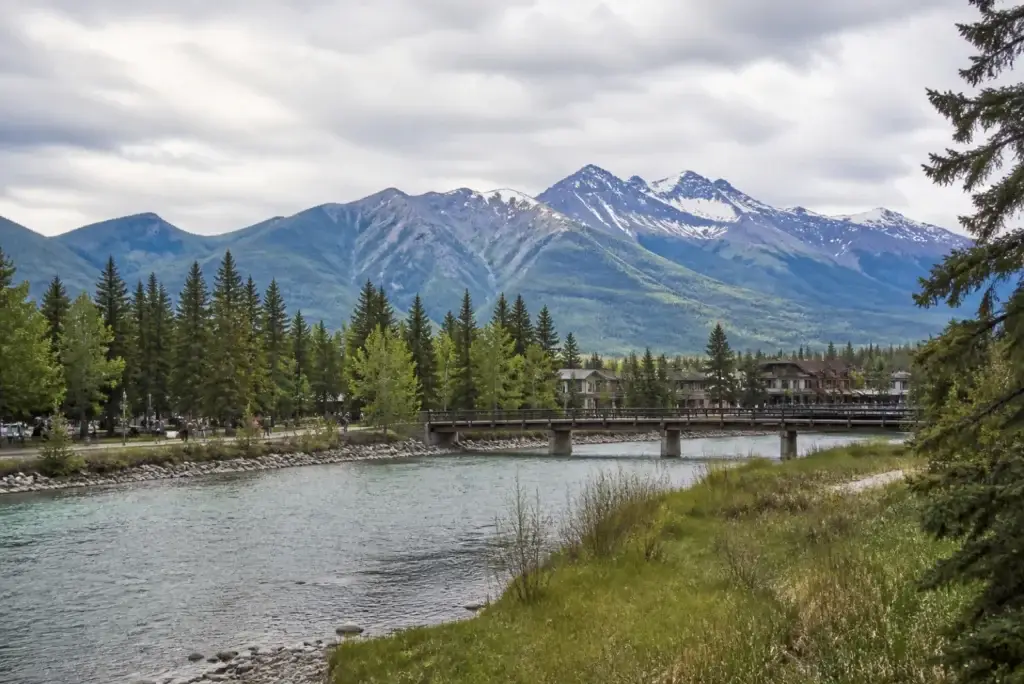
Documented Jasper townsite or low-intensity town edge with mountain context

First visits, mixed-interest groups and travelers who want one stable base during a changing recovery period

Make Jasper townsite the calm base

A Jasper base keeps current information, dining and lower-intensity alternatives close while long-range days remain deliberate rather than habitual.

Worth knowing

Maligne, Miette and the parkway still require substantial road time. A central base does not make the park compact.
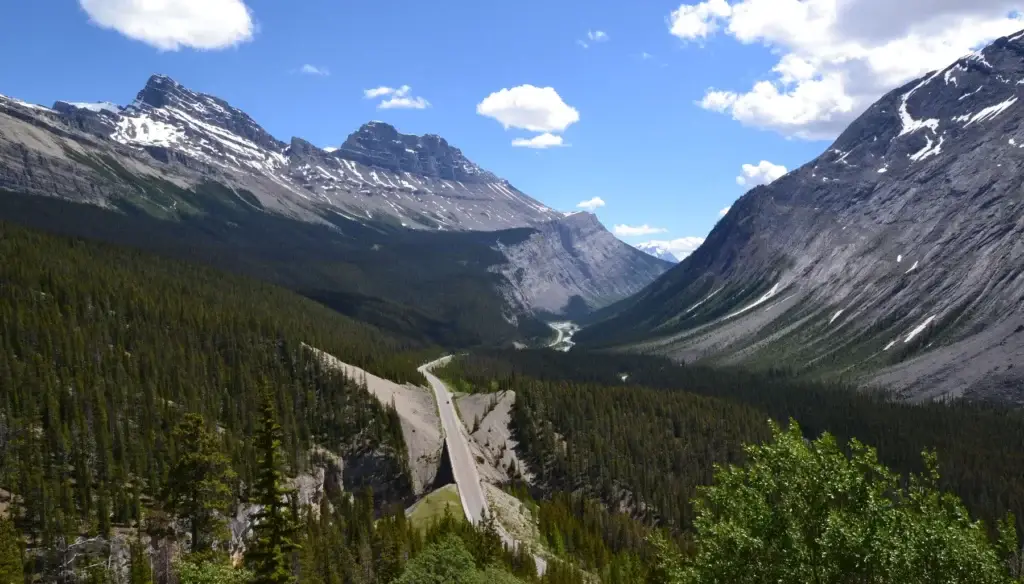
Documented Icefields Parkway in Jasper National Park between Sunwapta Pass and Jasper

Natural-history travelers, photographers and anyone who values depth over stop-counting

Give the northern parkway its own day

Treat Sunwapta Pass to Jasper as one connected landscape with a few condition-approved stops, protected meals and no onward Banff objective.

Worth knowing

Weather, smoke, road work or a closure can shorten the day, and services and cell coverage are limited.

Travelers drawn to lake landscapes who can accept a route without Maligne Canyon

Build Maligne Valley from what is open

Use the live map to select Maligne Lake, Medicine Lake or another open valley interval rather than copying a pre-fire checklist.

Worth knowing

Maligne Canyon is closed for the 2026 season, and road, trail or operator conditions can narrow the remaining plan.

Travelers who value safety, respect and meaningful local support over completing famous names

Let Jasper's recovery map lead

Start each morning with current Parks Canada information and redirect toward an open landscape, first-voice exhibit or quiet townsite interval when needed.

Worth knowing

A long-held objective may remain unavailable, and no premium arrangement can make a closure negotiable.

A considered introduction

Jasper townsite, Maligne Valley, Miette and the northern Icefields Parkway are not interchangeable stops. Each asks for a different transfer pattern, access check and physical commitment. The most coherent journey makes one of them the day's purpose and protects a credible alternative.

Allow five to seven nights. Begin with the current Parks Canada open and closed map, treat Sunwapta Pass as the southern boundary of this guide, and keep Maligne Canyon and Cavell Road out of 2026 plans while their closures remain in force.

Advisor note

Advisor perspective: I would base the journey in Jasper, reserve one unhurried day for the northern parkway and confirm every valley, trail and thermal-water movement against current Parks Canada information. VH Luxe Travels can coordinate tailored arrangements where applicable, with transport, guides and access confirmed for the exact travel dates.

What stays with you

Signature experiences

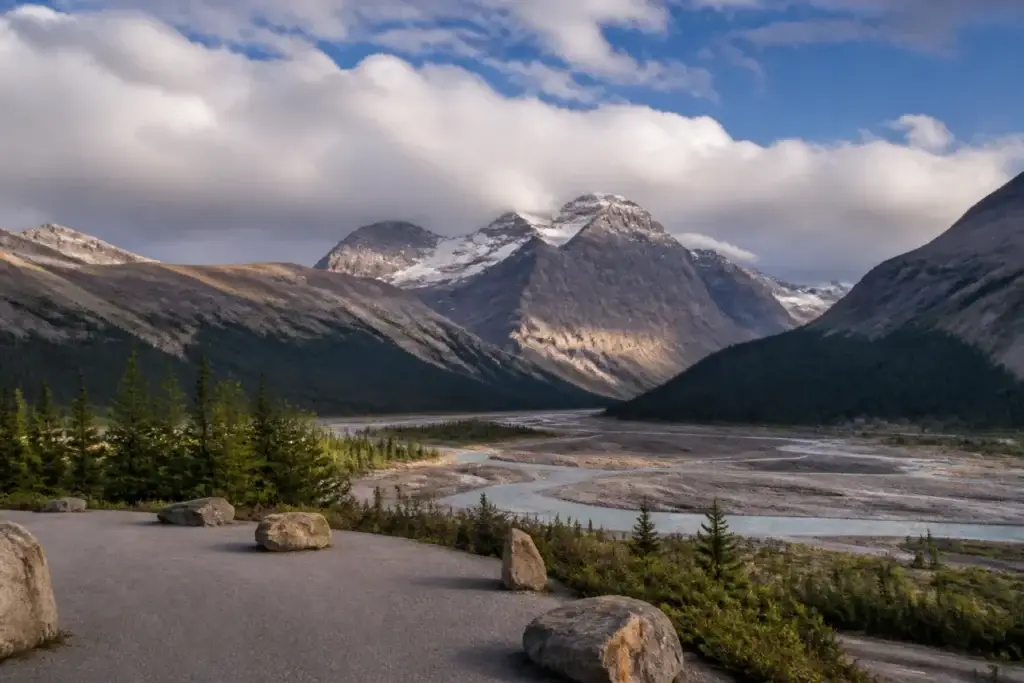
Documented northern Icefields Parkway landscape, Athabasca River or Sunwapta Pass in Jasper National Park

Connected landscapes

Read the northern parkway as one connected landscape

A naturalist can connect ice, river, forest and fire-shaped terrain from Sunwapta Pass northward, using only legal pullouts and currently open paths.

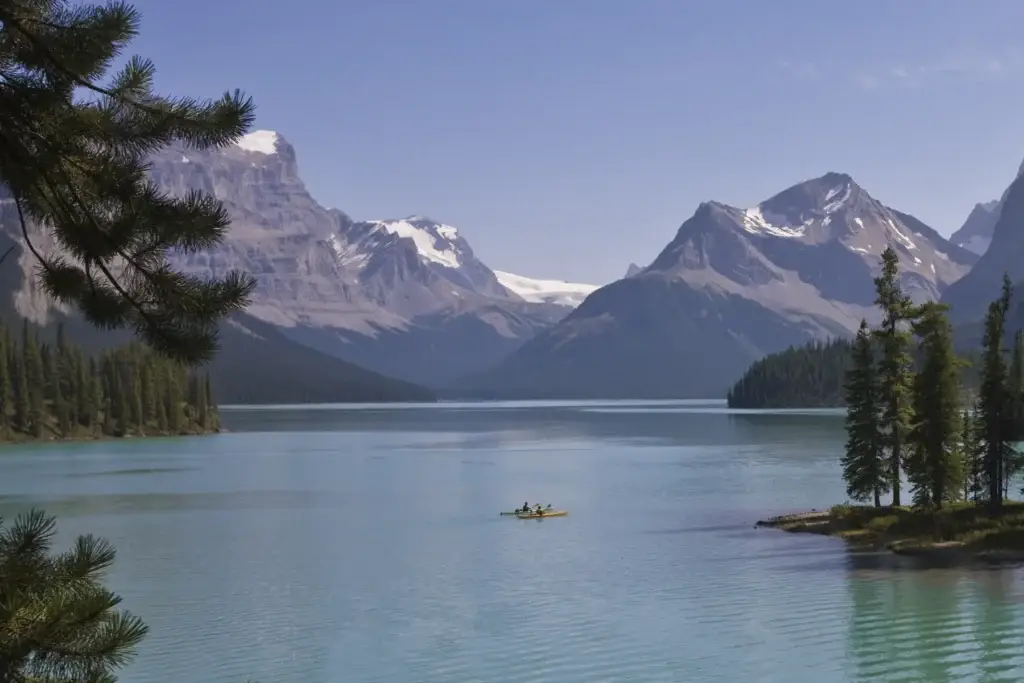
Documented Maligne Lake, Medicine Lake or open Maligne Valley landscape

Condition-led lakes

Approach Maligne Valley through live access

Build a slow lake-and-geology chapter from the road, sites and services confirmed open for the day. Maligne Canyon remains outside the 2026 plan.

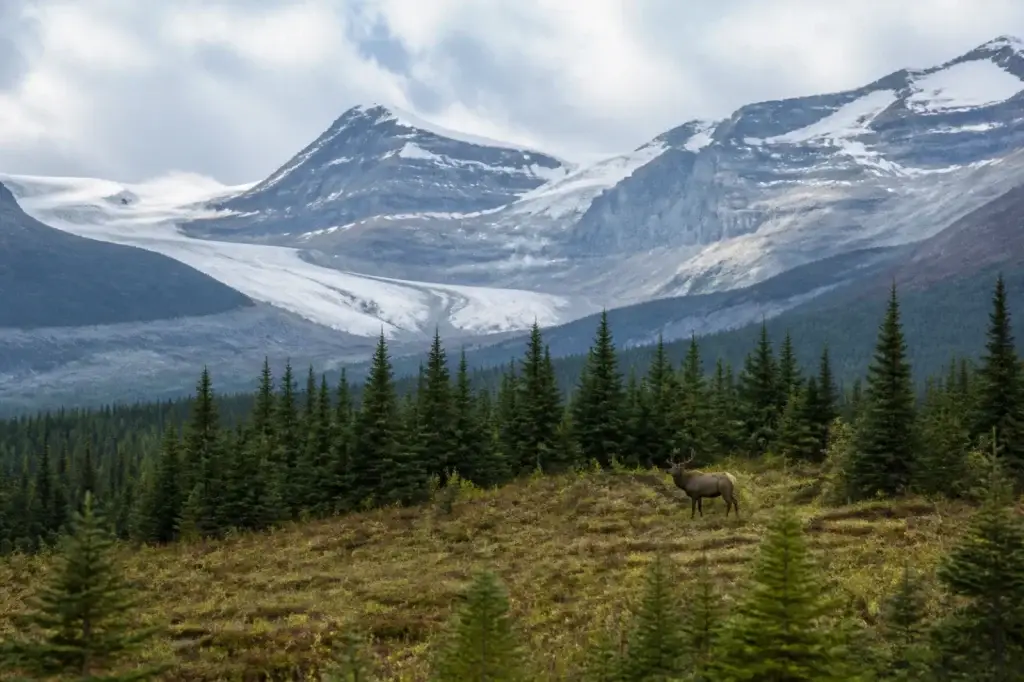
Documented Jasper wildlife photographed at a safe distance, preferably within broad habitat

Wildlife ethics

Observe wildlife without creating pressure

Use an authorized naturalist, optics and safe stopping practice to understand habitat and behavior without approaching, crowding or promising a sighting.

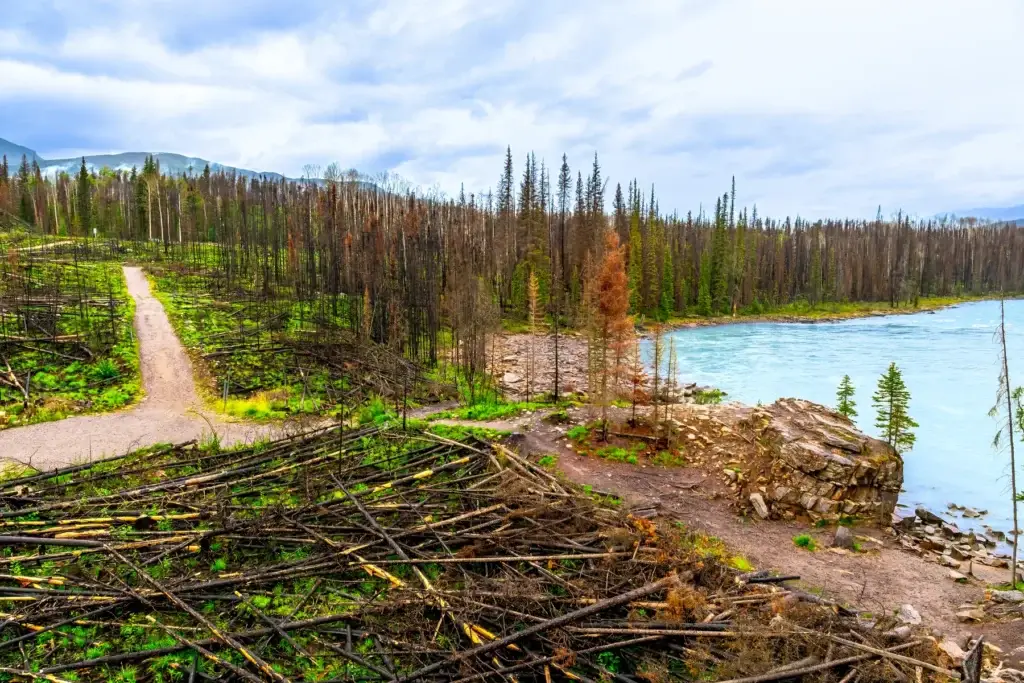
Documented Jasper post-wildfire landscape showing natural renewal or an authorized public recovery interpretation setting

Recovery and ecology

Learn the landscape through recovery, not spectacle

Use confirmed public interpretation to understand fire ecology, renewal and community-centered recovery without entering closed areas or turning loss into an attraction.

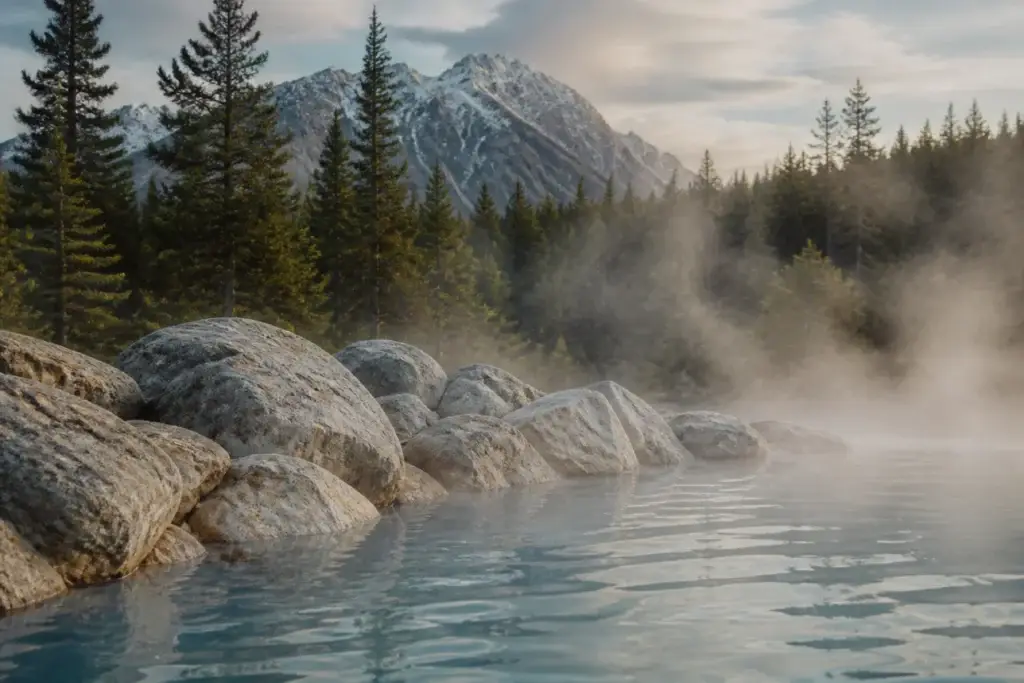
Documented Miette Hot Springs exterior, public pool or Fiddle Valley context

Thermal-water pause

Use Miette as a public thermal-water pause

When the seasonal facility and road are open, pair a short public soak with hydration, cooling and Fiddle Valley context rather than a medical or private-spa claim.

Travel restored

What makes Jasper & the Northern Icefields Parkway, Alberta a wellness destination?

What makes Jasper a wellness destination?

Jasper supports a shift from completion to recovery-aware attention through long-view landscapes, ability-matched movement, dark-sky quiet and a seasonal public thermal-water pause. Research associates nature exposure with some short-term stress-related measures, but results vary and this journey is not treatment; the lasting practice is choosing one meaningful objective and leaving room for conditions, community and the body to answer back.

Wellness role
A primary reason to travel
Best for
Travelers seeking lower stimulation, purposeful movement, ecological perspective and a durable recovery-aware rhythm
Format
Naturalist-led landscape reading, ability-matched movement, dark-sky quiet and seasonal public thermal water
Ideal commitment
One primary landscape objective, one credible lower-intensity alternative and protected meals, hydration and sleep around long transfers
Intensity
Varies

For companions

Strong for couples and multigenerational travelers when road time, terrain, pool use, weather, altitude and recovery are matched individually.

Seasonal lens

Summer supports the broadest road and trail system. Autumn, winter and spring require distinct purposes and more operational restraint.

Lower stimulation through one sustained encounter with river, forest, ice and mountain scale

Long-view attention

Use a naturalist-led viewpoint or gentle open trail, then leave an unprogrammed interval before the next transfer.

Duration
60 to 90 minutes
Intensity
Gentle
Best for
Travelers who restore through close observation and context
Consider

Weather, smoke, closures, terrain, parking and mobility determine the setting.

Use protected darkness to create a practical end to the scheduled day

Dark-sky boundary

Choose a safe confirmed viewing setting, reduce artificial light and put the phone away after one guided sky interval.

Duration
45 to 75 minutes
Intensity
Gentle
Best for
Travelers who want lower evening stimulation and a repeatable digital boundary
Consider

Cloud, smoke, cold, wildlife and safe night access determine feasibility. No sleep outcome is promised.

Use movement to build confidence without treating distance or elevation as proof of success

Recovery-aware movement

Let a qualified specialist match route, pace and turnaround point to the traveler and the live park conditions.

Duration
60 minutes to a half day
Intensity
Varies
Best for
Travelers who want meaningful movement with conservative recovery
Consider

Altitude, weather, fire effects, avalanche exposure, wildlife, medical history and rescue limits require individualized planning.

Use public thermal water as a bounded heat-and-rest ritual rather than a treatment

Miette heat and pause

When the road and seasonal facility are open, keep the soak short, hydrate, cool and leave the rest of the interval unscheduled.

Duration
One short public-facility visit
Intensity
Gentle
Best for
Travelers who enjoy warm water and can use it safely
Consider

Entry is first come, first served. Heat may not suit every traveler; follow facility guidance and seek medical advice when appropriate.

Wellness descriptions do not promise diagnosis, treatment, detoxification, biomarker change, improved sleep or longevity. Movement and hot-water use must be matched to current conditions, accessibility and individual medical needs.

Timing the journey

When to go

June through September supports the broadest road, trail and seasonal-service rhythm. Autumn brings colder nights and fast-changing access. Winter is a separate snow, dark-sky and mountain-safety journey, while spring can retain snow and avalanche exposure well after the valley changes season.

Jun · Jul · Aug

Best

Main summer season

Weather
Long daylight and the broadest road and trail rhythm, with smoke, storms, cold snaps and snow at elevation still possible.
Crowds
Roads, accommodations, popular lakes and public facilities face the strongest demand.
Best for
First visits, the northern parkway, naturalist interpretation and ability-matched movement.

Sep · Oct

Good

Autumn transition

Weather
Cooler days, early snow, shorter light and rapidly changing trail and road conditions require flexible objectives.
Crowds
Demand can ease outside peak dates while seasonal services begin to narrow.
Best for
Color, dark-sky evenings, natural history and a quieter recovery-aware pace.

Nov · Dec · Jan · Feb · Mar · Apr

Conditional

Winter mountain chapter

Weather
Cold, snow, ice, short daylight and avalanche terrain redefine road and trail access.
Crowds
Holiday periods can be busy while many seasonal services are unavailable.
Best for
Dark sky, snow-centered movement and townsite recovery with qualified safety decisions.

May

Conditional

Spring transition

Weather
Valley spring can coexist with snow, ice, runoff and avalanche exposure at higher elevations.
Crowds
Demand rises as roads and seasonal services reopen, but not every site follows the same date.
Best for
Townsite, lower-elevation natural history and conservative open-site choices.

Weather, smoke, fire danger, snow, avalanche conditions, roads, trails, wildlife, recovery closures, pool operations and public services change. Confirm the exact travel week and live status before each movement.

Value, clearly framed

Understanding trip value

Custom quote based on exact season, accommodations, transfers, authorized specialists and confirmed public activities. No public package price is stated.

What shapes the guidance

5 to 7 nights for two travelers; accommodations, transfers, authorized guides, public admissions and seasonal services priced at proposal stage.

Journey logistics

Arrive well

Edmonton is the most practical principal air gateway for this guide. Continue by confirmed road transfer, scheduled shuttle, rail or rental vehicle. Jasper is about 370 kilometres west of Edmonton, and weather, construction, wildlife, rest stops and the chosen mode determine the useful arrival plan.

Primary gateway Edmonton International Airport (YEG) and confirmed road, rail or shuttle connection

Premium commercial air

Arrive through Edmonton

Confirmed origin cityEdmonton International Airport (YEG)

Scheduled air and confirmed onward transport

Protect margin for baggage, weather and the long final connection. Do not add a mountain objective on arrival day.

Final transfer

Reach Jasper by Highway 16

Edmonton or Edmonton International AirportJasper townsite

Confirmed licensed driver, scheduled shuttle or rental vehicle

Road, smoke, weather, wildlife, construction and service stops change timing. Confirm the exact vehicle, winter equipment and drop-off.

Rail

Use rail when the journey matters as much as the arrival

Edmonton or VancouverJasper rail station

Scheduled passenger rail

Confirm the current timetable, sleeper or seat category, baggage rules, accessibility and station transfer. Rail timing can change and should not support a tight first-day plan.

Final transfer

Enter the northern parkway only with a full-day plan

Jasper townsiteSunwapta Pass and return within Jasper National Park

Confirmed licensed driver, specialist-led vehicle or rental vehicle

Fuel, food, washrooms and cell service are limited. Confirm road, weather, fire, avalanche and closure information and carry an appropriate safety kit.

Access and mobility

Confirm vehicle step height, parking, surface, slope, distance, restrooms, seating, pool entry and emergency communication against the traveler's exact needs. Parks Canada is improving road-accessible facilities, but live conditions and site-specific details still determine whether a viewpoint, trail or Miette visit is suitable.

Before you go

Practical planning notes

Reservations

Check what is open

Use the current Parks Canada map, trail report and important bulletins before every park movement.

Getting around

Prepare for the parkway

Carry fuel margin, food, water, layers and an appropriate safety kit because services and cell coverage are limited.

Etiquette

Keep wildlife wild

Stay 100 metres from bears and other carnivores and 30 metres from elk and other listed ungulates, using optics and legal pullouts.

Wellness

Respect recovery

Do not enter closed areas or photograph private loss. Support open businesses and let first-voice interpretation lead the recovery story.

The VH Luxe approach

How VH Luxe composes the journey

  1. Anchor in Jasper

    Use one stable base and keep the current information centre and local alternatives within reach.

  2. Check the live map

    Review openings, roads, trails, wildlife, fire and weather before confirming each day's purpose.

  3. Travel one corridor well

    Give the northern parkway, Maligne Valley or Miette enough time to stand alone.

  4. Carry home recovery-aware pacing

    Keep the habit of choosing one meaningful objective and a respectful alternative instead of forcing a checklist.

Paramjit Harika, VTA, CTA

Advisor-led planning

Your journey, personally considered

Paramjit Harika

Founder & Luxury Travel Advisor

I coordinate your hotel and room, premium air, transfers and key experiences as one considered journey, with one point of contact from planning through travel.

Good to know

Frequently asked questions

How many nights do you need for Jasper?

Allow 5 to 7 nights. The range supports one full northern parkway day, a condition-led Maligne or Miette chapter and enough margin for weather, recovery status and rest.

Is Maligne Canyon open in 2026?

No. Parks Canada states that Maligne Canyon remains closed for the 2026 season. Use the current open and closed map before considering any Maligne Valley plan.

Where does this Icefields Parkway guide begin?

At Sunwapta Pass, the Banff and Jasper park boundary, then north through Jasper National Park to the townsite. The southern parkway belongs to the Banff and Lake Louise guide.

Can Jasper work without demanding hikes?

Yes. Condition-approved viewpoints, naturalist interpretation, the Jasper Indigenous Exhibit, ethical wildlife observation, dark-sky time and seasonal Miette Hot Springs can support a lower-intensity journey.

When is the best time to visit Jasper?

June through September offers the broadest road, trail and seasonal-service rhythm. Every season still requires live checks for fire, smoke, weather, wildlife, recovery closures and road conditions.

What makes Jasper a wellness destination?

Its strongest wellness value comes from long-view attention, ability-matched movement, protected darkness and recovery-aware pacing, with Miette as an optional public thermal-water pause rather than treatment.