The VH Luxe destination guide

Okanagan Valley, British Columbia

Last updated 12 August 2026

Choose the Okanagan base that balances lake time, official wine appellations, seasonal food and responsible movement through the valley.

Recommended stay

4–

7 nights

Best time

Spring favors blossoms and cooler movement. Summer supports lake days but requires heat, fire and smoke flexibility. Early autumn brings harvest and appointment pressure. Late autumn and winter are more conditional as rural operations and roads change.

Primary gateway

Kelowna International Airport (YLW), followed by a prearranged licensed transfer or confirmed rental vehicle

Journey context

Use 4 nights for one northern, central or southern chapter. Allow 6 to 7 for a deliberate two-base journey without daily end-to-end transfers.

Curator’s verdict

The Okanagan is not one wine road. It is a long, lake-shaped agricultural valley whose northern slopes, central benches and southern desert edge reward different seasons and different bases. The luxury is matching one chapter to the traveler's purpose, then letting climate and harvest determine the rhythm.

Choose well

Which Okanagan chapter fits the journey?

Choose the base and the role of wine first, then let distance, heat, smoke and harvest set a realistic ceiling for each day.

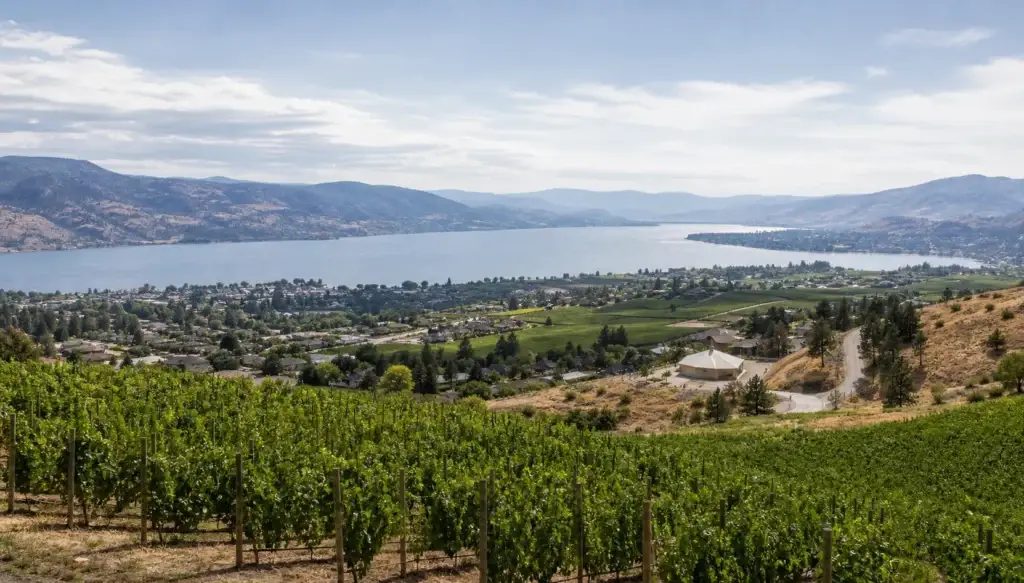
Naramata Bench or another exact elevated Okanagan composition showing lake, agriculture and settlement

Travelers deciding among Kelowna and Lake Country, Penticton and Naramata, or Oliver and Osoyoos

Choose north, central or south by purpose

The north favors air access and cooler subregions, the central valley compresses lake and bench time, and the south adds warmer dryland ecology with more driving.

Worth knowing

No single base makes the entire valley effortless, and a generalized wine-country label hides meaningful climatic and transfer differences.
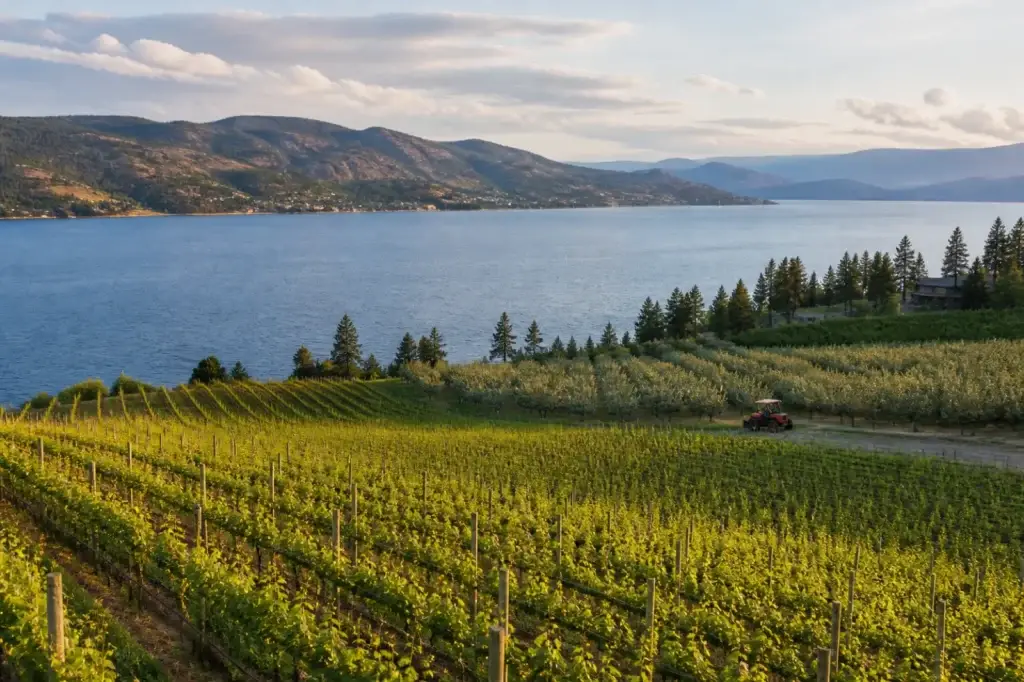
Okanagan vineyard or orchard beside lake landscape without visible consumption

Collectors, culinary travelers, mixed-interest couples and alcohol-free travelers

Lead with wine or let lake and land lead

Wine can structure one specialist-led day, while lake ecology, public culture, orchards and food can carry an equally complete journey without alcohol.

Worth knowing

Too many tastings flatten producer differences and create unsafe transport pressure. Every wine day needs a sober driver and a considered alcohol-free pathway.

Short stays, celebrations and travelers comparing focused depth with geographic range

Use one base or split the valley deliberately

One base protects recovery and deeper local knowledge. A two-base route can connect contrasting subregions when the move replaces repeated backtracking.

Worth knowing

Changing hotels costs time, while daily end-to-end drives weaken meals, lake conditions and the calm expected from a luxury journey.

Summer and early-autumn travelers, families, older travelers and anyone with respiratory or mobility concerns

Let heat, smoke, fire and roads set the ceiling

Keep one indoor or lower-exposure replacement and recheck DriveBC, wildfire information, AQHI and local orders before committing to outdoor or road-heavy plans.

Worth knowing

A beloved trail, lake interval or producer visit may need to shorten, move or disappear when conditions change.

A considered introduction

The Okanagan Valley runs for more than 250 kilometres and contains distinct official wine subregions. Kelowna and Lake Country combine the primary air gateway with cooler northern vineyards and urban dining. Penticton and Naramata offer a concentrated central lake-and-bench rhythm. Oliver and Osoyoos bring warmer southern landscapes, desert ecology and a longer transfer commitment.

A four-night stay works for one focused chapter. Six or seven nights support a deliberate two-base journey. Wine can lead the itinerary, remain one optional layer or disappear entirely in favor of lake movement, public culture, agriculture and food.

Advisor note

Advisor perspective: I would choose the northern, central or southern chapter before selecting individual wineries. Then I would protect one sober driver, one weather-ready replacement and one alcohol-free experience that is equally considered.

What stays with you

Signature experiences

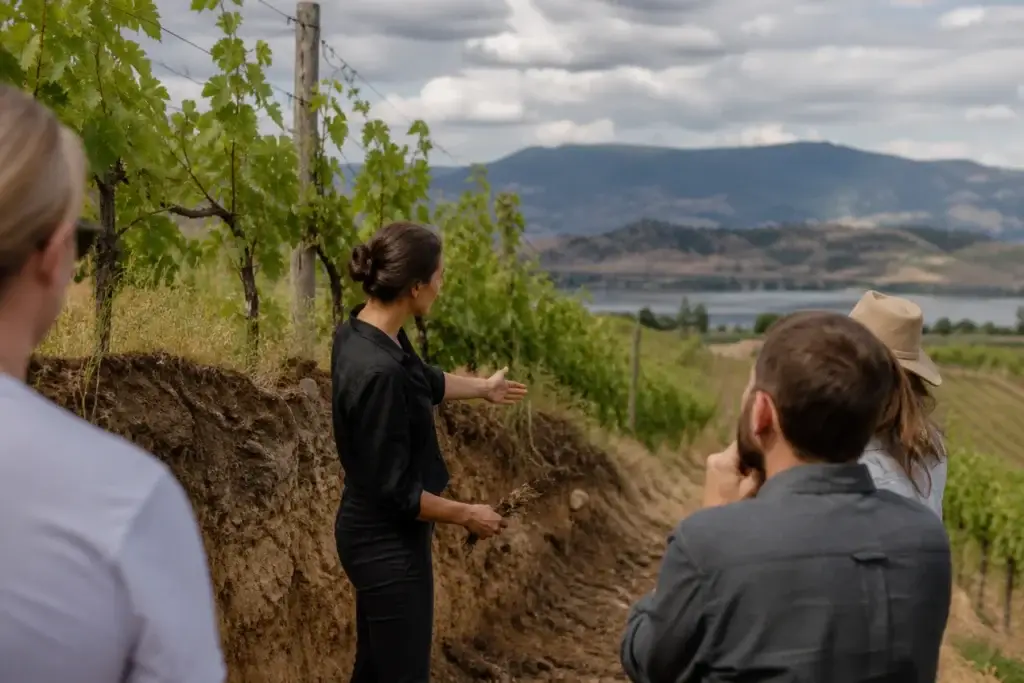
Named Okanagan subregion vineyard with educator, soil profile or restrained cellar context

Wine geography

Read one official subregion with a wine educator

Use a qualified specialist and sober driver to compare climate, soil and label provenance within one confirmed sub-geographical indication, with thoughtful non-alcoholic participation and every producer appointment conditional.

Syilx public culture and desert ecology

Let Nk'Mip interpret the southern desert

Request a public guided program at Nk'Mip Desert Cultural Centre to understand Okanagan culture and desert ecology, subject to current booking, weather and visitor protocols without implying ceremony or community access.

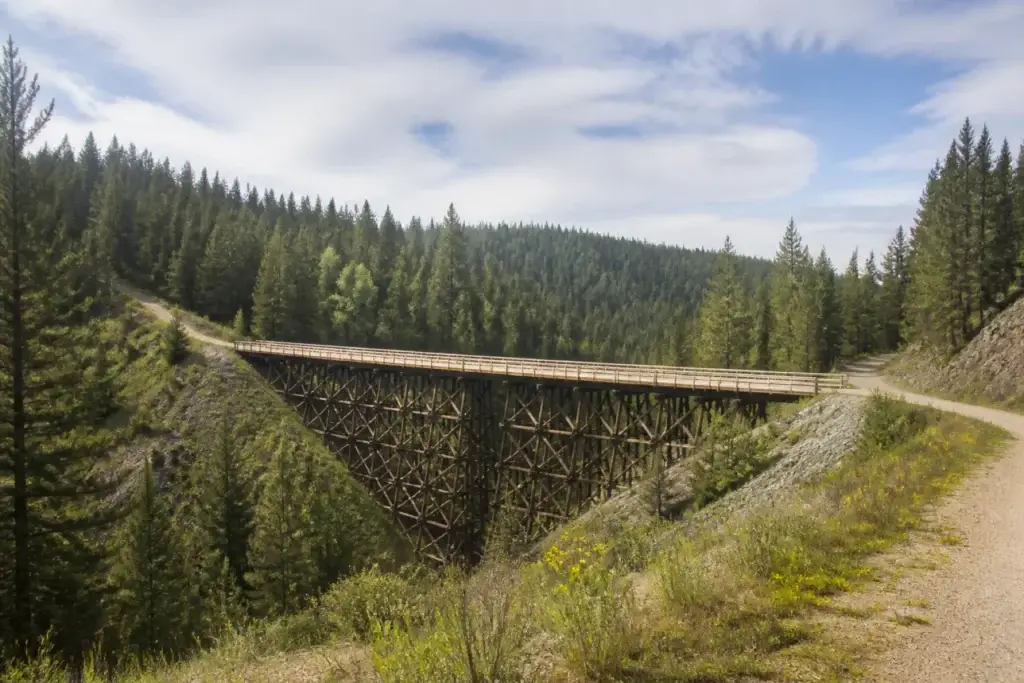
Myra Canyon trestle or Kettle Valley Railway trail with exact provenance

Rail heritage and movement

Cross Myra Canyon at an ability-matched pace

Arrange a private cycling or walking guide for a confirmed open Kettle Valley Railway section, adjusting distance for trestles, surface, congestion, heat, smoke, fire conditions and current BC Parks guidance.

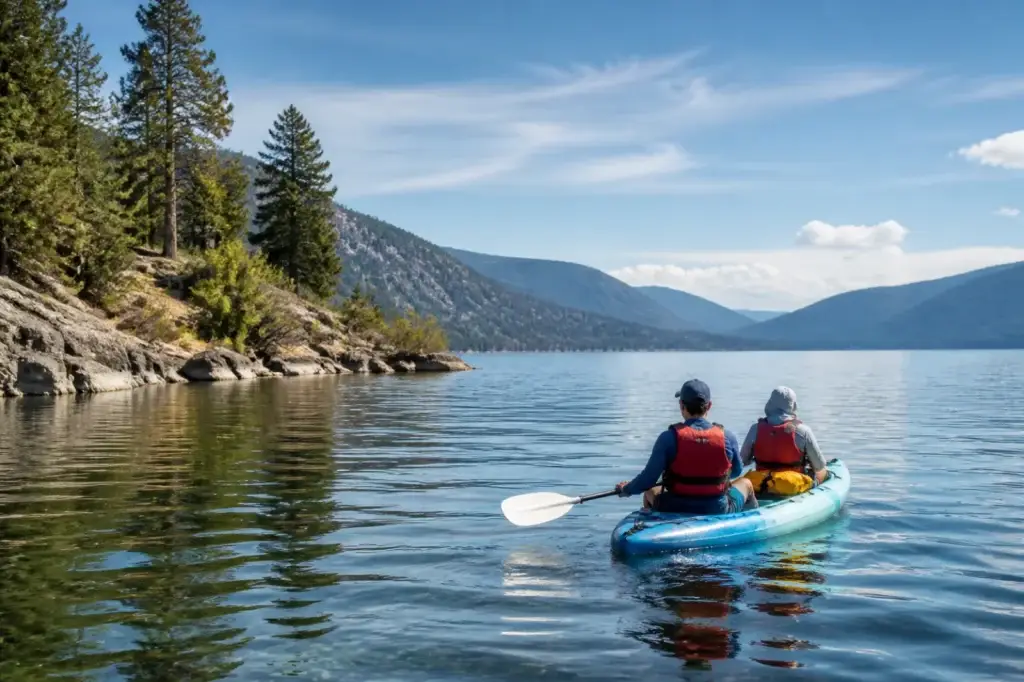
Okanagan Lake paddle or small vessel with correctly worn flotation and clear geography

Lake ecology

Use Okanagan Lake as an ecology lesson

Choose a licensed naturalist-led vessel or ability-matched paddle interval with approved flotation, sober operation, a conservative return plan and daily confirmation of wind, weather, water and smoke.

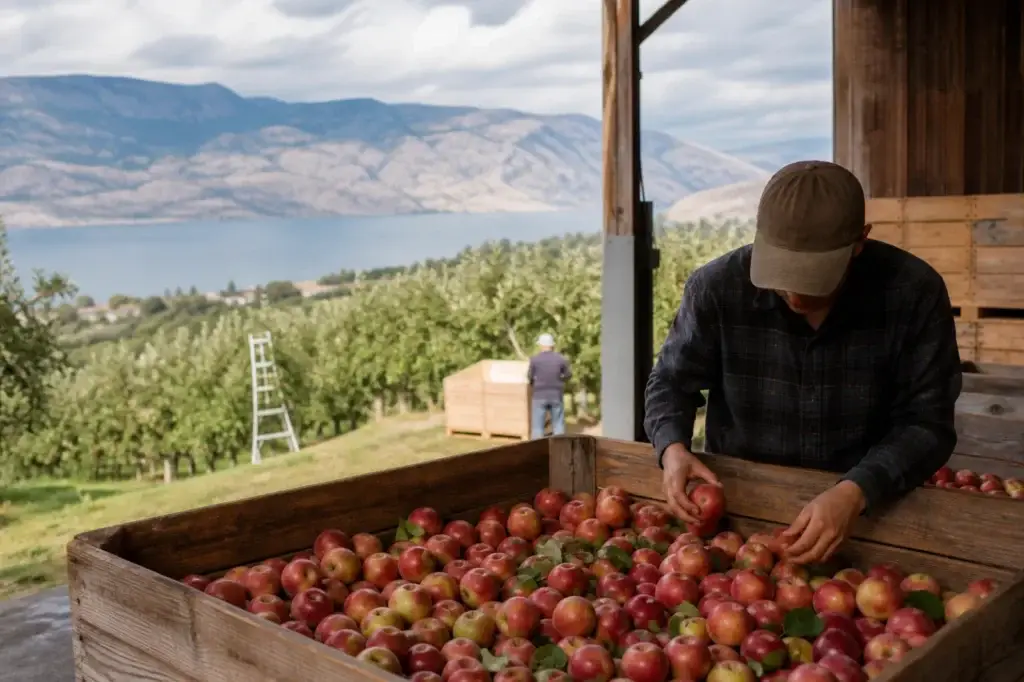
Okanagan orchard harvest, farm produce or chef-led ingredient preparation with exact provenance

Agriculture and foodways

Follow the harvest beyond the glass

Ask a chef, farmer or orchard host to trace one in-season ingredient from field to table, subject to crop timing and access, with alcohol-free drinks treated as part of the design rather than an afterthought.

Travel restored

What makes Okanagan Valley, British Columbia a wellness destination?

What makes the Okanagan Valley a wellness destination?

The Okanagan replaces a tasting-room checklist with lake cadence, dryland ecology, steady movement and the harvest calendar. Its lasting value is the habit of letting climate and season set the pace, while treating Syilx public knowledge as context for respect rather than a consumable ritual.

Wellness role
A primary reason to travel
Best for
Couples, executives, mixed-interest groups and multigenerational travelers seeking seasonal food, measured movement and lower-stimulation lake time
Format
Lake-edge cadence, public desert interpretation, ability-matched rail-trail movement and seasonal agriculture
Ideal commitment
One condition-matched outdoor interval, one locally interpreted food or culture anchor and enough unscheduled time to respond to heat.
Intensity
Gentle

For companions

Strong for mixed interests when wine is optional, transport is sober, route length is individualized and meals, culture and lake time remain shared.

Seasonal lens

Spring favors blossom and cooler movement. Summer supports lake time with heat and smoke contingencies. Early autumn follows harvest. Winter requires a more conditional, indoor-weighted plan.

Replace itinerary urgency with condition-matched water attention

Lake-edge cadence

Use a quiet-hour walk, licensed vessel or ability-matched paddle interval with approved flotation and a conservative return point.

Duration
60 to 90 minutes
Intensity
Gentle
Best for
Travelers recovering from flights, road time or dense tasting schedules
Consider

Wind, weather, water temperature, smoke, vessel, operator and ability require confirmation. Nature evidence is heterogeneous and does not predict an individual outcome.

Let public cultural and ecological interpretation restore proportion

Dryland ecology attention

Use Nk'Mip's public guided interpretation to notice how desert ecology, land and water connect without turning Syilx responsibilities into a visitor ritual.

Duration
90 minutes to 2 hours
Intensity
Gentle
Best for
Culturally curious adults, families and reflective travelers
Consider

Confirm the public program, heat, smoke, route, footwear and accessibility. No ceremony, community or private cultural access is implied.

Use steady, non-competitive movement to read the valley

Rail-trail movement

Choose one confirmed open Myra Canyon, Kettle Valley or Okanagan Rail Trail section with a qualified guide and a distance matched to ability.

Duration
75 minutes to 3 hours
Intensity
Moderate
Best for
Active couples, families and mixed-ability groups using individualized turnarounds
Consider

Check closures, construction, surface, trestles, bikes, crowds, heat, smoke and wildfire. Stop before conditions or fatigue control the return.

Reconnect eating with season, labor and place

Harvest rhythm

Follow one in-season fruit, vegetable or farm ingredient through an orchard, market or chef-led meal with an equally considered alcohol-free pairing.

Duration
One unhurried meal or half day
Intensity
Gentle
Best for
Culinary travelers, families and mixed-interest groups
Consider

Crop timing, access, allergies, dietary needs, heat and hosts require confirmation. This is cultural and agricultural learning, not nutritional treatment.

Wellness descriptions explain pacing, nature attention, movement, public interpretation and seasonal food. They do not promise diagnosis, prevention, treatment, stress reduction, biomarker change or longevity. Confirm medical suitability, heat, smoke, air quality, water, trails, accessibility, practitioners and operations.

Timing the journey

When to go

Spring favors blossoms and cooler movement. Summer supports lake days but requires heat, fire and smoke flexibility. Early autumn brings harvest and appointment pressure. Late autumn and winter are more conditional as rural operations and roads change.

Mar · Apr · May

Good

Blossom and cooler movement

Weather
Cooler days, orchard bloom and variable spring weather favor layered outdoor plans.
Crowds
Demand rises around bloom, holidays and long weekends while some rural operations remain reduced.
Best for
Best for blossom, food, culture and trail intervals before peak heat.

Jun · Jul · Aug

Conditional

Lake season with heat and fire contingencies

Weather
Long, hot days support lake and cellar time while wildfire, smoke and severe heat may alter plans.
Crowds
Peak leisure demand increases pressure on flights, rooms, roads, restaurants, trails, beaches and appointments.
Best for
Best for carefully timed lake, orchard and evening dining when conditions cooperate.

Sep · Oct

Best

Harvest and cellar depth

Weather
Warm days often cool into autumn while smoke, frost and rain remain date-specific variables.
Crowds
Harvest and crush can make expert access more constrained even as ordinary leisure demand begins to ease.
Best for
Best for ingredient-led food, label interpretation and a deliberate two-base route.

Nov · Dec · Jan · Feb

Conditional

Quiet and operationally conditional

Weather
Short daylight, winter roads, cold and flight disruption require a compact, flexible route.
Crowds
Holiday dates create spikes, while many rural operators reduce hours outside them.
Best for
Best for a highly confirmed food-and-cellar stay with limited road ambition.

Heat, smoke, wildfire, air quality, wind, water temperature, harvest, frost, snow, road conditions, trail closures, daylight and rural operating hours change. Recheck the exact travel week and each day's conditions.

Value, clearly framed

Understanding trip value

Custom quote based on season, air cabin, base or two-base route, room category, transfers, licensed drivers, educators, vessels, guides and confirmed experiences. No public package price is stated.

What shapes the guidance

Four to seven nights for two travelers; air, licensed transfers, accommodation, guides, drivers, admissions, vessels and confirmed experiences priced at proposal stage. Local charges may be denominated in Canadian dollars.

Journey logistics

Arrive well

YLW is the most practical commercial gateway for the northern and central valley. Oliver and Osoyoos require a longer road chapter, while a two-base route needs luggage, driver and departure-day planning. Confirm every flight, road, wildfire and vehicle condition rather than publishing a fixed transfer time.

Primary gateway Kelowna International Airport (YLW), followed by a prearranged licensed transfer or confirmed rental vehicle

Premium commercial air

Arrive through Kelowna International Airport

Confirmed domestic or international originKelowna International Airport (YLW)

Scheduled air followed by prearranged ground transportation

Confirm flight, baggage, accessibility, ground transport, road conditions and the exact base. No fixed door-to-door time should be published.

Private aviation

Use an operator-selected private aviation gateway

Confirmed originAirport and terminal selected by the licensed operator

Private aviation followed by prearranged licensed transfer

Airport, customs, slots, aircraft, weather, smoke, crew, terminal, baggage and ground handling require live operator confirmation.

Final transfer

Use Highway 97 for a north-to-south valley route

YLW or the confirmed first baseKelowna, Lake Country, Penticton, Naramata, Oliver or Osoyoos

Licensed vehicle or confirmed rental vehicle

Traffic, construction, wildfire, smoke, weather, winter equipment and local detours can materially alter the journey. Check DriveBC on the travel day.

Final transfer

Keep cellar days sober and professionally driven

The confirmed valley baseA focused set of confirmed wineries, farms or restaurants

Prearranged licensed guided transport with an alcohol-free option

Confirm the driver, vehicle, route, producer appointments, mobility needs and non-alcoholic participation. Never combine tasting with self-driving or boating.

Access and mobility

Confirm airline assistance, accessible ground transportation, vehicle step height, room setup, winery and restaurant entrances, washrooms, tasting format, trail surface, trestles, grades, heat exposure and vessel boarding. YLW advises advance booking for accessible ground transport, while trail and lake suitability require route-specific review.

Before you go

Practical planning notes

Etiquette

Name the subregion

Use official geographical indications and distinguish grape origin from the winery building's location.

Getting around

Keep the driver sober

Use licensed guided transport for tasting days and keep alcohol separate from driving, boating and cycling.

Packing

Hold a smoke-ready replacement

Check AQHI, local orders and wildfire information, then shorten, replace or cancel exposure when needed.

Reservations

Confirm rural appointments

Cellars, farms, orchards, chefs, museums and guides change with season and harvest workload.

The VH Luxe approach

How VH Luxe composes the journey

  1. Choose one valley chapter

    Let air access, lake time, cultural interest and wine style determine north, central or south.

  2. Define wine's role

    Use one specialist-led day, keep it optional or build a fully alcohol-free agriculture-and-lake journey.

  3. Protect sober movement

    Separate tasting from driving, boating and cycling while preserving generous meal and recovery time.

  4. Recheck climate each day

    Let heat, smoke, fire, roads, wind and harvest decide which planned experience actually runs.

Paramjit Harika, VTA, CTA

Advisor-led planning

Your journey, personally considered

Paramjit Harika

Founder & Luxury Travel Advisor

I coordinate your hotel and room, premium air, transfers and key experiences as one considered journey, with one point of contact from planning through travel.

Good to know

Frequently asked questions

How many nights do you need in the Okanagan Valley?

Use 4 nights for one northern, central or southern chapter. Allow 6 to 7 for a deliberate two-base route without repeated end-to-end drives.

Which Okanagan area should you choose?

Choose Kelowna and Lake Country for air access and cooler northern subregions, Penticton and Naramata for a compact lake-and-bench rhythm, or Oliver and Osoyoos for warmer southern landscapes and desert ecology.

Can you enjoy the Okanagan without drinking wine?

Yes. Lake ecology, Nk'Mip public culture, rail trails, orchards, seasonal food and alcohol-free pairings can carry a complete journey.

Do you need a driver for Okanagan wineries?

Use a prearranged sober licensed driver for tasting days. Never combine alcohol with self-driving, boating or cycling.

Is summer the best time for the Okanagan?

Summer supports lake days and long light, but heat, wildfire smoke and peak demand make it conditional. Spring and early autumn can offer a more measured food-and-landscape rhythm.

What makes the Okanagan Valley a wellness destination?

Lake cadence, dryland ecology, steady movement and the harvest calendar encourage travelers to let climate and season set the pace. The value is a repeatable habit of restraint, not a promised treatment outcome.