The VH Luxe destination guide

Tofino & Clayoquot Sound, British Columbia

Last updated 12 August 2026

Let tide, weather and west-coast restraint choose the day. Tofino rewards attention more than accumulation.

Recommended stay

4–

6 nights

Best time

Spring and summer support surf, rainforest and wildlife with increasing demand. Autumn brings stronger weather transitions. Winter suits storm-season solitude when exposed shorelines, roads, marine access and aviation remain fully conditional.

Primary gateway

Tofino-Long Beach Airport (YAZ), a confirmed floatplane dock or the Highway 4 road approach

Journey context

Use 4 nights for three focused coastal days. Allow 5 to 6 for weather flexibility, a marine opportunity and one route-compatible Ucluelet chapter.

Curator’s verdict

Tofino is at its most luxurious when the ocean remains in charge. A strong journey matches access, beach, surf ability and wildlife operations to live conditions, then uses Tla-o-qui-aht stewardship to define how a visitor moves through the place.

Choose well

What should the Pacific coast make possible?

Choose the leading transformation and safe operating window first, then let tide and weather determine the exact day.

Exact Tofino surf, marine vessel or safe storm-viewing context

Every traveler, especially first visits and mixed-interest groups

Choose surf, wildlife or storm-season solitude

Give one coastal purpose priority, then select season, equipment and specialist support around it rather than expecting every experience.

Worth knowing

A single clear purpose means declining attractive activities when conditions or season do not support them.
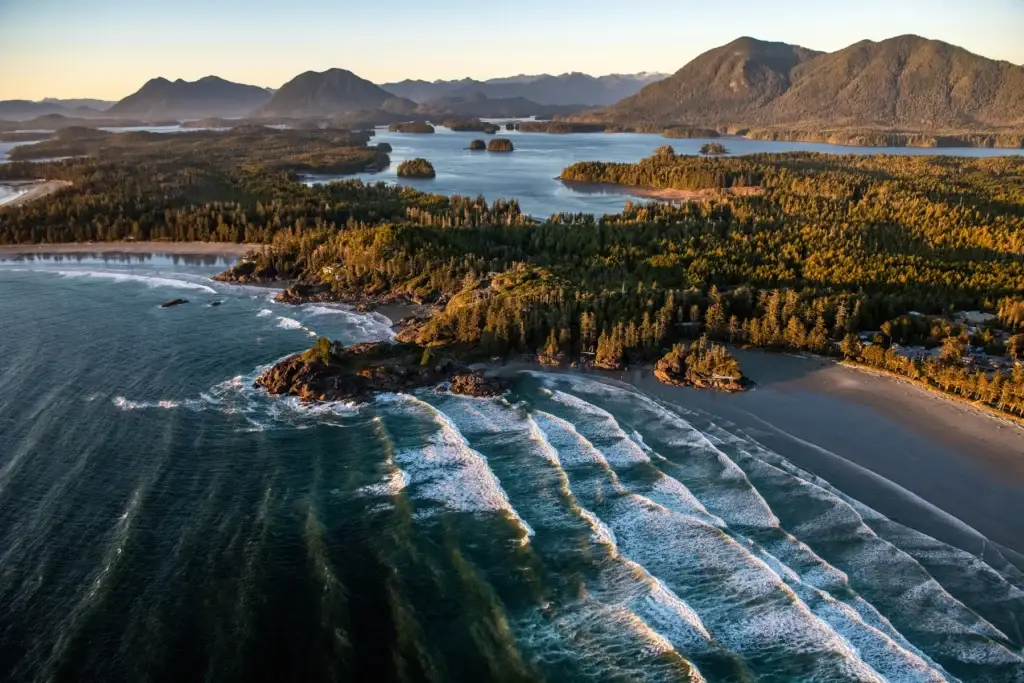
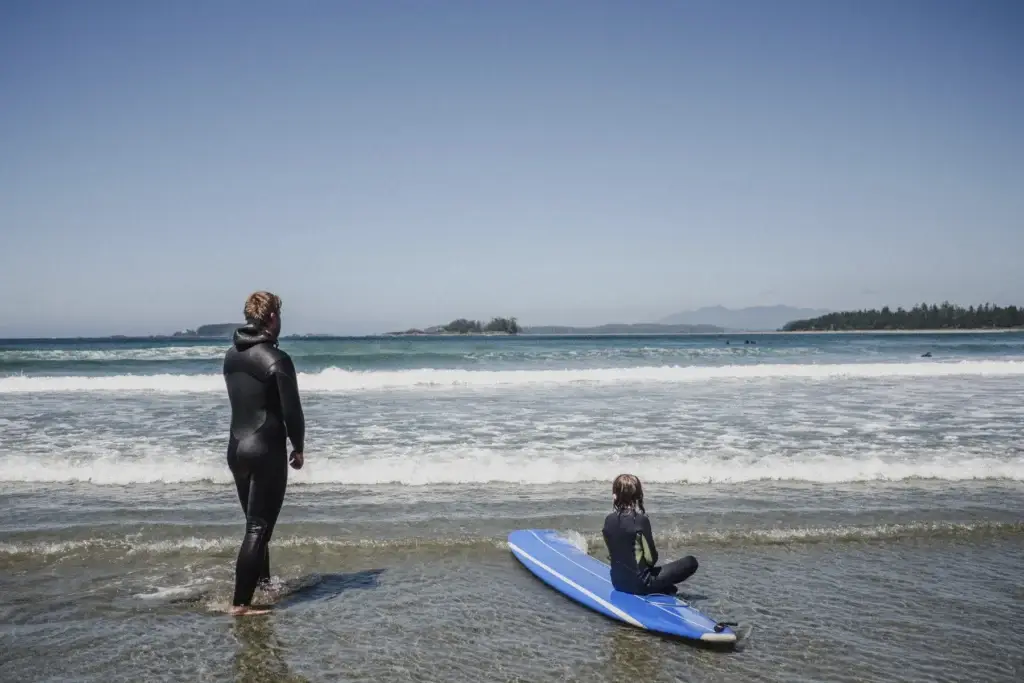
Exact exposed Tofino beach or protected Clayoquot Sound inlet

Families, water users, photographers and travelers sensitive to wind or motion

Match exposed beach or protected inlet to the day

Use exposed Pacific beaches for safe condition-matched shoreline or surf time and protected waters for operator-led marine interpretation when viable.

Worth knowing

Tide, swell, wind and closures can make the planned setting unavailable even when the weather looks dramatic.

Short stays, private aviation users and travelers with significant luggage or mobility needs

Make remote access part of the design

Choose air, floatplane or road around baggage, weather tolerance, vehicle needs and the final address, not only nominal speed.

Worth knowing

The most direct mode can carry tighter weather, baggage, daylight or accessibility constraints.

Storm-season stays, wildlife travelers and anyone planning marine activities

Protect one movable coastal day

Keep one day free to move among a safe beach, rainforest, vessel, Ucluelet extension or indoor recovery as conditions evolve.

Worth knowing

Flexibility reduces the number of fixed bookings but protects safety and the overall quality of the stay.

A considered introduction

Tofino and Clayoquot Sound can support surf learning, rainforest attention, naturalist-led wildlife observation or storm-season solitude, but not every objective belongs in every season. Tides, swell, cold water, wind and road access are operating facts rather than atmosphere.

A four-night stay supports three full coastal days. Five or six nights allow a weather buffer, a condition-ready marine interval and one route-compatible Ucluelet chapter without expanding into Victoria, the Gulf Islands or North Vancouver Island.

Advisor note

Advisor perspective: I would reserve access and one specialist-led anchor, then keep a second outdoor day movable. The best west-coast plan can shorten a beach walk or replace a vessel without making the journey feel diminished.

What stays with you

Signature experiences

Tla-o-qui-aht stewardship

Let ʔiisaak set the visitor's conduct

Use the public Tla-o-qui-aht Tribal Parks pledge and current first-voice material to shape respect, purchasing and trail behavior without assuming ceremony, private community access or cultural entitlement.

Licensed Tofino surf lesson with wetsuit, board and exact beach provenance

Surf learning

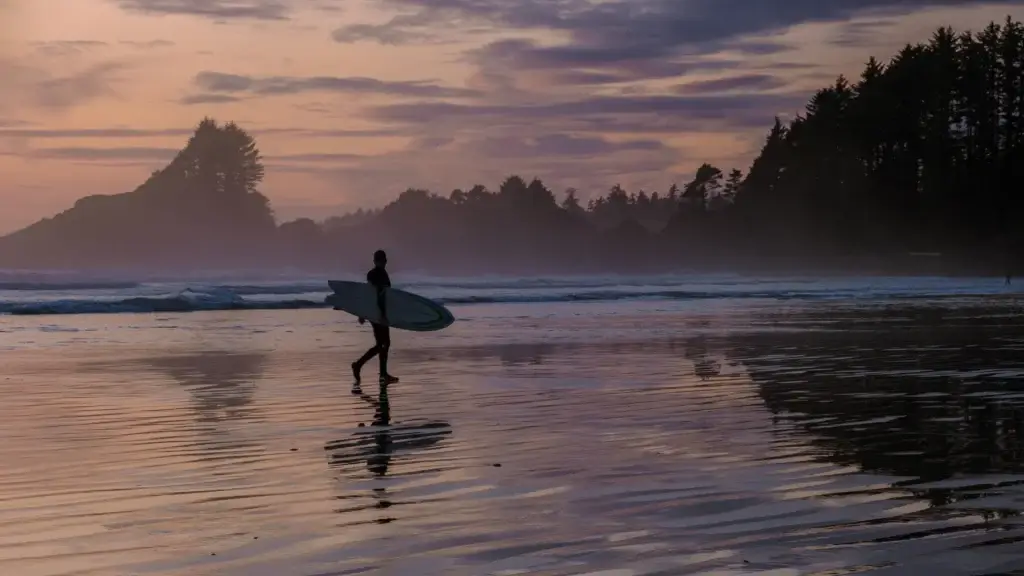
Learn cold-water surf with a licensed instructor

Use a surf school licensed for the chosen beach to match equipment, wetsuit, board, tide and conditions to ability. No lesson removes cold-water, wave or rip-current risk.

Licensed Tofino or Clayoquot Sound wildlife vessel with naturalist context

Marine ecology

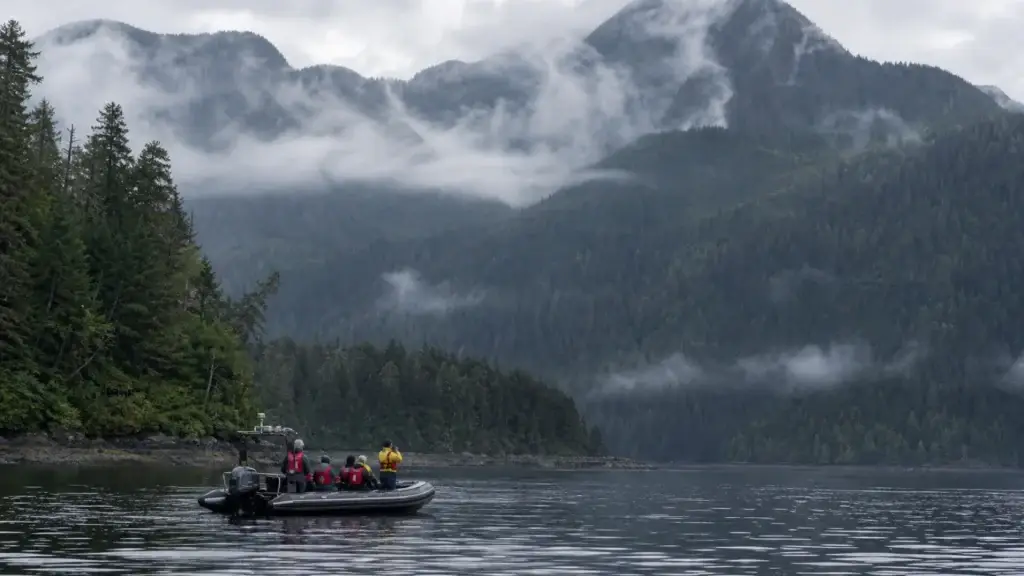
Let a naturalist read Clayoquot Sound

Choose a responsible licensed operator for a condition-led marine or shoreline wildlife outing. Route and species remain uncertain, and legal viewing distances govern every encounter.

Pacific Rim National Park Reserve rainforest trail, Long Beach or exact intertidal setting

Rainforest and intertidal

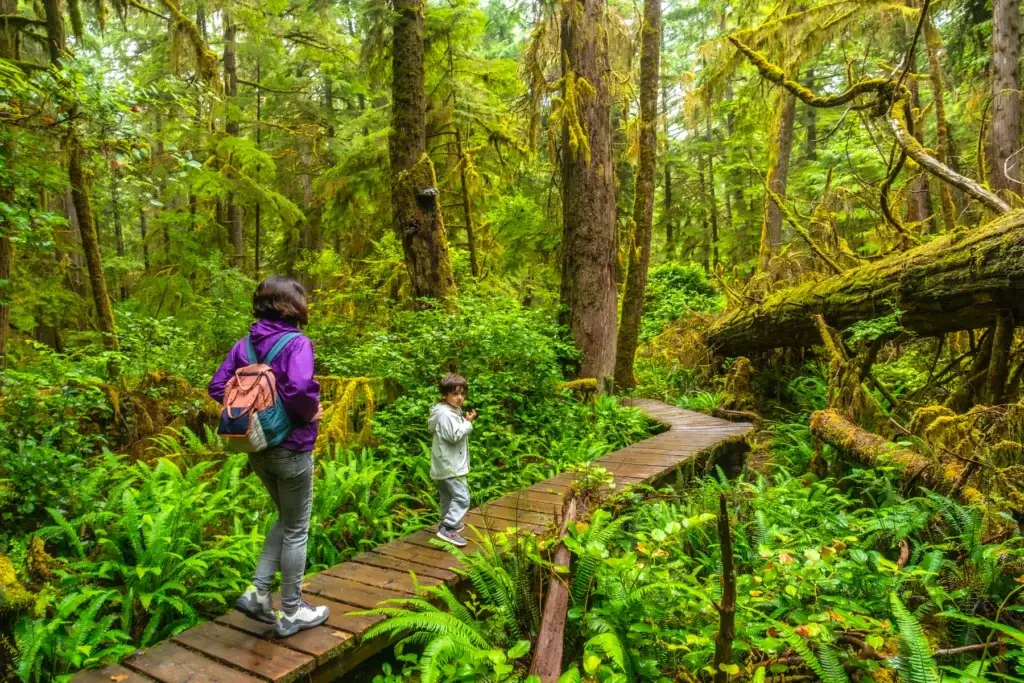
Read Pacific Rim from canopy to tide line

Use a qualified naturalist on designated public routes to connect rainforest, shore and intertidal life, checking tide, closures, wildlife and trail conditions before departure.

Exact Tofino storm waves viewed from a safe elevated, signed or indoor location

Storm season

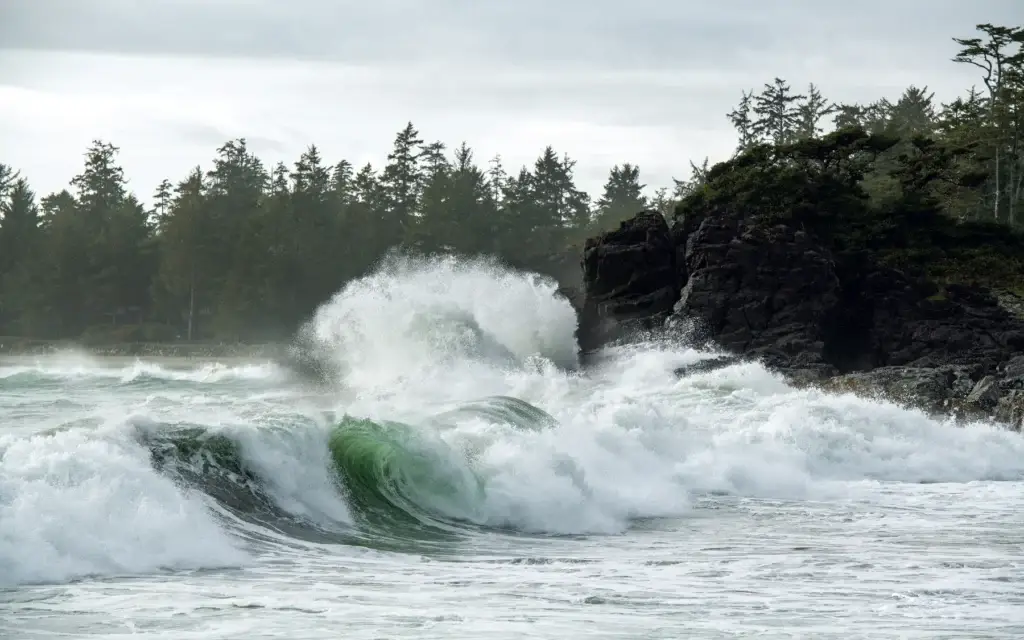
Watch the storm from the safe side of awe

Use a signed elevated or indoor viewpoint and let high tide, surge, wind and closures decide whether any beach access remains appropriate.

Travel restored

What makes Tofino & Clayoquot Sound, British Columbia a wellness destination?

What makes Tofino a wellness destination?

Tofino asks the traveler to surrender control to tide, weather, cold water and living systems. Its lasting practice is ʔiisaak: observing, appreciating and acting accordingly, carried home as attention and restraint rather than consumed as a treatment.

Wellness role
A primary reason to travel
Best for
Executives, couples, families and solo travelers seeking restoration through skilled movement, coastal attention and restraint
Format
Tla-o-qui-aht visitor conduct, tide-led shoreline movement, licensed surf instruction and storm-season contrast
Ideal commitment
One condition-matched outdoor anchor, one deliberate recovery interval and enough unscheduled time to obey tide and weather
Intensity
Varies

For companions

Strong for mixed abilities when surf, vessel and trail participation are individualized while safe viewpoints, meals and first-voice learning remain shared.

Seasonal lens

Spring through autumn supports surf, rainforest and marine possibilities. Winter is suited to safe storm contrast and indoor recovery, with exposed and marine plans more conditional.

Replace consumption with observation, appreciation and responsible action

ʔiisaak as visitor conduct

Take the public Tribal Parks pledge, choose current first-voice resources and let respect shape purchases, photographs, routes and the amount of access assumed.

Duration
A practice carried through the full stay
Intensity
Gentle
Best for
Every visitor seeking a more responsible relationship with place
Consider

This is public visitor guidance, not therapy, ceremony or permission to enter private community spaces or culturally sensitive sites.

Let a changing shoreline replace schedule urgency

Tide-led shoreline cadence

Use official tide information and local conditions to choose one designated beach interval with a reliable return route, then leave before safety narrows.

Duration
45 to 90 minutes
Intensity
Gentle
Best for
Travelers arriving mentally saturated or physically tired
Consider

Beaches are unsupervised. Check tide, swell, wave hazard, closures and tsunami information, and stay off drift logs and exposed rocks.

Use instruction and equipment to make cold-water movement deliberate

Technique before surf ambition

A licensed instructor can match beach, wetsuit, board, tide and progression to the guest rather than treating surfing as a performance test.

Duration
One private lesson or condition-matched session
Intensity
Moderate
Best for
Beginners, returning surfers and active families
Consider

Cold water, rip currents and waves remain hazardous. Confirm medical suitability, ability, equipment and live conditions; instruction cannot ensure safety.

Use safe exposure and protected warmth to restore proportion

Storm-season contrast

Observe wind and ocean power from a signed elevated or indoor viewpoint, then protect dry warmth, a quiet meal and an unhurried evening.

Duration
One condition-led half day
Intensity
Gentle
Best for
Travelers drawn to winter solitude and lower-stimulation travel
Consider

Nature-exposure evidence is heterogeneous. Stay out of closed beaches, surge zones, rocks and driftwood, and do not expect a health or biomarker result.

Wellness descriptions explain visitor conduct, pacing, nature attention, skilled movement and recovery. They do not promise diagnosis, prevention, treatment, stress reduction, biomarker change or longevity. Confirm medical suitability, tide, weather, cold water, accessibility, instructors and operations.

Timing the journey

When to go

Spring and summer support surf, rainforest and wildlife with increasing demand. Autumn brings stronger weather transitions. Winter suits storm-season solitude when exposed shorelines, roads, marine access and aviation remain fully conditional.

Mar · Apr · May

Good

Spring migration and surf

Weather
Cool rain, changing swell and lengthening days require layers and flexible land or marine plans.
Crowds
Demand increases around holidays and wildlife interest while some services remain seasonal.
Best for
Best for rainforest, licensed surf learning and condition-led wildlife observation.

Jun · Jul · Aug

Best

Peak west-coast summer

Weather
Milder days support beaches and vessels, while fog, cold water, wind and smoke remain possible.
Crowds
Rooms, roads, parking, lessons, vessels and restaurants face peak demand.
Best for
Best for families, first surf sessions, rainforest and the widest operating choice.

Sep · Oct

Good

Autumn transition

Weather
Cooler days, increasing rain and stronger systems can alternate with calm coastal windows.
Crowds
Demand often eases after summer, with weekend and event pressure remaining.
Best for
Best for flexible surf, rainforest, food and early storm-season contrast.

Nov · Dec · Jan · Feb

Conditional

Storm-season solitude

Weather
High winds, heavy rain, large swell, surge and short light can close beaches and interrupt roads, vessels or aircraft.
Crowds
The coast can feel quieter while holiday dates and storm interest create concentrated demand.
Best for
Best for safe storm viewpoints, indoor recovery, food and highly flexible rainforest intervals.

Tide, swell, cold water, weather, smoke, storms, wildlife, roads, beaches, trails, vessels and flights change with conditions and operations. Recheck every element shortly before travel.

Value, clearly framed

Understanding trip value

Custom quote based on season, air or road access, room category, transfers, surf instruction, vessels, guides and confirmed experiences. No public package price is stated.

What shapes the guidance

Four to six nights for two travelers; air or road access, licensed transfers, accommodation, instruction, equipment, vessels, guides and confirmed experiences priced at proposal stage. Local charges may be denominated in Canadian dollars.

Journey logistics

Arrive well

Choose scheduled air or a confirmed floatplane when weather, baggage and schedule fit. Use Highway 4 when a vehicle is integral, checking DriveBC and Tourism Tofino advisories before departure. No transfer mode should carry a fixed public duration.

Primary gateway Tofino-Long Beach Airport (YAZ), a confirmed floatplane dock or the Highway 4 road approach

Premium commercial air

Arrive through Tofino-Long Beach Airport

Confirmed connecting gatewayTofino-Long Beach Airport (YAZ)

Scheduled air followed by prearranged licensed transfer

Confirm flight, aircraft, weather, baggage, accessibility, onward vehicle and the exact Tofino address.

Premium commercial air

Use a confirmed scheduled floatplane

Confirmed coastal gatewayOperator-confirmed Tofino water aerodrome or dock

Scheduled floatplane followed by verified dock transfer

Weather, wind, visibility, daylight, aircraft, dock, baggage and accessibility require live operator confirmation.

Final transfer

Drive Highway 4 to the west coast

Confirmed east-island gatewayThe confirmed Tofino or route-compatible Ucluelet address

Licensed weather-ready vehicle

Road incidents, construction, weather, wildfire, driver limits and limited services can change the route and duration. Check live advisories.

Private aviation

Use an operator-selected private aviation plan

Confirmed originAirport or water aerodrome selected by the licensed operator

Private aviation followed by prearranged licensed transfer

Aircraft, runway or water conditions, weather, visibility, daylight, crew, baggage and handling require operator confirmation.

Access and mobility

Confirm airport or dock assistance, aircraft and vessel boarding, vehicle step height, hotel entrance, beach access, trail surface, surf suitability, washrooms and evacuation needs. Tourism Tofino identifies selected accessible coastal and covered-vessel options, but exact equipment, tide, weather and operator support require confirmation.

Before you go

Practical planning notes

Mobility

Check tide and wave hazard

Use official tide information, Parks Canada notices and local conditions before every beach or water activity.

Reservations

Use a licensed surf school

Match beach, wetsuit, board, tide and conditions to ability with an authorized local instructor.

Etiquette

Take the ʔiisaak pledge seriously

Let Tla-o-qui-aht first-voice guidance shape behavior without assuming private or ceremonial access.

Etiquette

Keep wildlife encounters conditional

Use a responsible operator, follow legal distances and never promise a species or close approach.

The VH Luxe approach

How VH Luxe composes the journey

  1. Choose the coastal purpose

    Let restoration, surf, wildlife or storm solitude lead before selecting the season.

  2. Confirm remote access

    Match road or air to weather, baggage, mobility and the exact address.

  3. Use first-voice visitor conduct

    Take the public ʔiisaak pledge and support current Tla-o-qui-aht stewardship.

  4. Leave one day movable

    Let tide, storm, wildlife and closures choose between beach, rainforest, vessel and recovery.

Paramjit Harika, VTA, CTA

Advisor-led planning

Your journey, personally considered

Paramjit Harika

Founder & Luxury Travel Advisor

I coordinate your hotel and room, premium air, transfers and key experiences as one considered journey, with one point of contact from planning through travel.

Good to know

Frequently asked questions

How many nights do you need in Tofino?

Use 4 nights for three focused coastal days. Allow 5 to 6 for weather flexibility, a condition-ready marine opportunity and one route-compatible Ucluelet chapter.

What is the best time to visit Tofino?

Choose spring through autumn for the broadest surf, rainforest and wildlife possibilities. Choose winter for safe storm-season contrast, accepting more conditional roads, beaches, vessels and flights.

Is Tofino suitable for beginner surfers?

Yes on a condition-matched day with a licensed surf school, correct cold-water equipment and an ability-appropriate beach. All beaches are unsupervised and hazards remain.

Can wildlife sightings be guaranteed in Clayoquot Sound?

No. A qualified naturalist and responsible operator improve interpretation, but species, route, weather, sea state and encounter quality remain uncertain.

Can Victoria and Tofino be combined?

They can form separate chapters of a longer journey, but Victoria is not part of this west-coast guide and transfer time must be protected rather than treated as a casual day trip.

What makes Tofino a wellness destination?

Tofino asks the traveler to follow tide, weather, cold water and living systems. Its lasting practice is ʔiisaak: observing, appreciating and acting accordingly.